Hybrid working has changed how businesses think about space. Teams now split their time between home, the office, and client sites, making traditional long-term leases feel restrictive. Many organisations are re-evaluating what they actually need from a workplace. In this context, serviced offices in Soho and similar flexible locations offer a practical response, combining professional infrastructure with the adaptability that modern working patterns demand.
Hybrid Work Redefines Office Needs
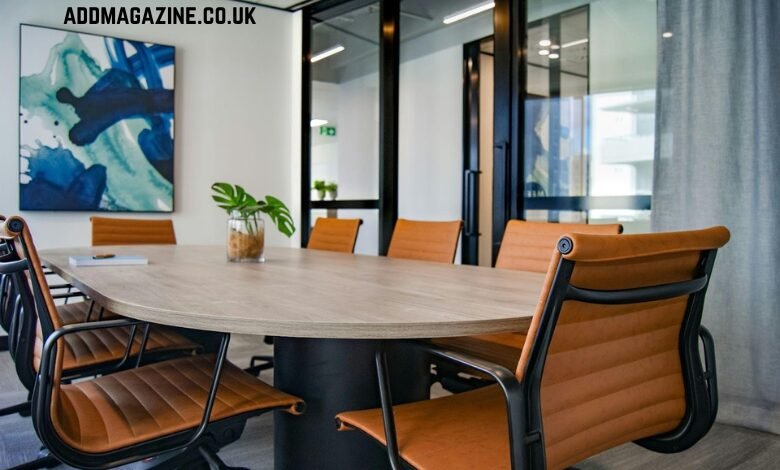
Hybrid work reduces the requirement for permanent desks while increasing the need for collaboration space. Offices are no longer just places to sit and work quietly. They have become hubs for meetings, planning, and connection. This shift means businesses benefit from space that supports varied use rather than fixed layouts. Serviced offices are designed for this purpose, offering meeting rooms, breakout areas, and shared facilities that suit fluctuating attendance levels.
Cost Control Without Long Commitments
Managing costs is a priority for businesses navigating uncertain markets. Traditional offices often involve long leases, upfront fit-out costs, and ongoing maintenance expenses. Serviced offices simplify this model. Pricing is typically inclusive, covering utilities, cleaning, and core services. This clarity supports budgeting and reduces unexpected costs. Without long-term commitments, businesses retain financial flexibility while still accessing high-quality workspaces.
Scaling Space As Teams Change
Hybrid workforces are rarely static. Team sizes can expand or contract based on projects, funding, or market conditions. Serviced offices support this fluidity. Businesses can quickly adjust space requirements by adding or reducing desks as needed. This scalability prevents wasted space and avoids office relocation during growth or contraction.
Supporting Flexible Attendance Patterns
Not every employee works the same days. Some teams rotate schedules, while others gather only for specific sessions. Serviced offices accommodate these patterns well. Shared areas and bookable rooms allow teams to come together when necessary without maintaining underused desks. This approach aligns space usage with actual demand rather than assumptions.
Enhancing Collaboration And Culture
Hybrid work risks weakening team culture if in-person interaction becomes rare or unstructured. Offices still play a role in maintaining connection. Serviced offices provide environments designed for collaboration. Informal meeting areas, communal spaces, and professional settings encourage interaction during office days. These moments support culture without requiring full-time attendance.
Location Without Complexity
Location remains important, particularly for client-facing businesses or teams that value central access. Securing prime locations traditionally involves high cost and long leases. Serviced offices offer access to desirable areas without those barriers. Businesses gain professional addresses and convenient transport links while avoiding the complexity of managing their own offices. This balance supports both credibility and convenience.
Reduced Administrative Burden
Running a traditional office involves managing multiple suppliers and responsibilities. These tasks consume time that could be spent on core business activity. Serviced offices remove much of this burden. Reception services, IT infrastructure, and facility management are typically included. This allows teams to focus on work rather than logistics, which suits lean hybrid models.
Supporting Employee Choice And Wellbeing
Hybrid work gives employees more autonomy over where they work. Offices should complement this freedom rather than restrict it. Serviced offices provide professional environments for focused work or collaborative days without requiring daily attendance. Employees benefit from choice while still having access to a dedicated workspace when needed. This balance supports well-being and retention.
Adapting To Changing Work Patterns
Work patterns continue to evolve. Some teams may increase office time, while others reduce it further. Flexibility becomes essential. Serviced offices allow businesses to adapt without renegotiating leases or redesigning space. This adaptability protects organisations from being locked into outdated models as work culture shifts.
Technology And Infrastructure Ready To Use
Hybrid teams rely on technology to connect remote and in-office staff. Reliable infrastructure is non-negotiable. Serviced offices typically provide ready-to-use connectivity and meeting technology. This setup reduces downtime and avoids additional investment. Teams can arrive and work effectively from day one.
Professional Image Without Overhead
Maintaining a professional image is important to clients and partners. A permanent office presence often supports that perception. Serviced offices deliver this presence without the overhead of traditional offices. Meeting rooms, reception areas, and branded spaces create a professional environment that supports business development without long-term risk.
Ideal For Project-Based Work
Many businesses now operate on a project basis. Teams assemble for specific periods, then change. Serviced offices suit this rhythm. Short-term arrangements allow space to be used when projects demand collaboration and are released afterwards. This approach aligns physical space with operational reality.
Balancing Stability And Freedom
Hybrid work requires balance. Businesses need stability for collaboration and identity, yet freedom to adjust quickly. Serviced offices provide that middle ground. They offer structure without rigidity, allowing organisations to maintain presence while embracing change.
A Practical Fit For Modern Business
Serviced offices align naturally with hybrid working. They address cost control, scalability, and flexibility without sacrificing professionalism. As businesses refine their approach to work, office space must support, not constrain. Serviced offices do this effectively, making them a logical choice for organisations that value adaptability and efficiency.
Flexibility That Supports Growth
Hybrid work is not a temporary trend. It reflects lasting change in how businesses operate.
Choosing serviced offices allows organisations to respond to that change with confidence. By matching space to real needs rather than fixed assumptions, businesses position themselves to grow, adapt, and thrive in a flexible working future.