
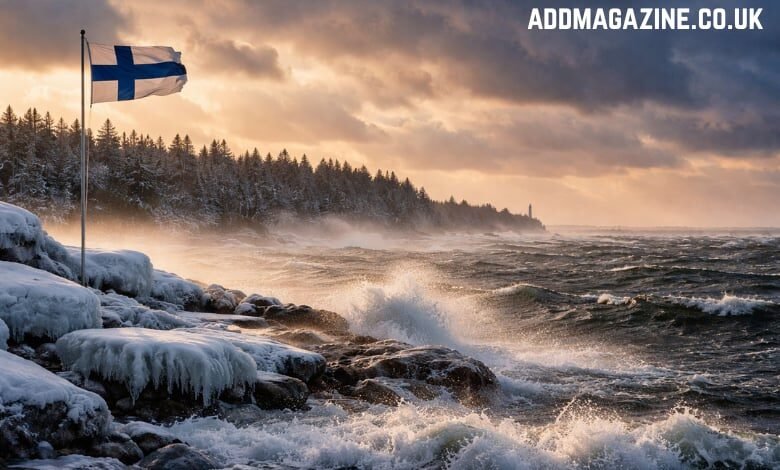
Wind is a natural phenomenon that affects every region in the world, but there’s something distinctive about winds coming from Finland. When people talk about “wind blowing from Finland,” they often refer not just to an air movement, but to a powerful climatic force with far-reaching effects. These winds are associated with colder air masses, sudden temperature changes, and sometimes intense weather conditions that can be felt across the Baltic Sea and even parts of Europe. Understanding why these winds feel the way they do and how they impact the regions they touch requires a closer look at Finland’s geography, climate, and the atmospheric conditions that give rise to these northern gusts.
The Geography of Finland and Its Role in Wind Formation
Finland, located in Northern Europe, is a country known for its cold winters, vast forests, and extensive lakes. It is bordered by Sweden to the west, Russia to the east, and the Gulf of Finland to the south. The country’s proximity to the Arctic Circle means that much of its land is subjected to extreme seasonal changes, with long, harsh winters and short, cool summers. These environmental factors play a significant role in the formation of winds from Finland.
The country’s relatively flat terrain, especially the expansive forested areas, allows air to cool efficiently. In winter, as the sun weakens and snow blankets the ground, the temperature drops significantly. The snow-covered ground reflects sunlight, reducing the warming effect from the sun and allowing the land to cool rapidly. This process creates cold air masses that settle over the country.
High-Pressure Systems and the Flow of Air
The cooling effect in Finland is compounded by the formation of high-pressure systems. High-pressure systems occur when cold air becomes denser and sinks, creating areas of high atmospheric pressure. Over Finland, these high-pressure systems are common during the winter months, leading to a stable, cold environment. When this cold, high-pressure air mass forms, the air tends to flow outwards, moving toward areas of lower pressure. This flow of air is what we perceive as wind.
As the cold air moves from Finland toward lower-pressure areas to the south, it can pick up speed and strength, especially if the surrounding regions have warmer air. The temperature contrast between the cold, dense air of Finland and the relatively milder air of neighboring areas creates a pressure difference that forces air to move, resulting in strong winds. These winds, which are often referred to as “winds from Finland,” can bring sharp temperature drops, gusty conditions, and changes in weather patterns to the regions they affect.
The Baltic Sea and Gulf of Finland: Pathways for Winds
One of the most notable features of Finland’s geography is its coastline, particularly along the Baltic Sea and the Gulf of Finland. The winds from Finland often travel across these bodies of water, and this can influence their behavior. When cold air flows from the land into the relatively warmer water, the wind can pick up moisture, affecting local weather conditions. This interaction between cold air and water vapor can lead to the formation of fog, increased humidity, or precipitation in the regions the wind reaches.
In winter, when the Baltic Sea and the Gulf of Finland are still relatively warmer than the surrounding land, the temperature difference between the water and the air can intensify the winds. The presence of open water, which doesn’t cool down as quickly as land, creates a boundary layer between the cold air from Finland and the slightly warmer air over the water. This temperature contrast results in a more pronounced wind as it moves across the water, often leading to rougher seas and unsettled weather conditions.
Impact on Neighboring Countries and Regions
The winds blowing from Finland have a significant impact on neighboring countries, especially in the winter months. In areas like Sweden, Estonia, and Russia, these northern winds bring a noticeable chill and can lead to sudden drops in temperature. The cold air can also influence local weather patterns, bringing snow, ice, and stormy conditions. The movement of air from Finland can sometimes result in severe weather events, including blizzards or heavy snowstorms, particularly when combined with moisture from the Baltic Sea.
In addition to the immediate effects on weather, these winds also affect the climate of the surrounding regions. Finland’s proximity to the Arctic means that the cold air masses it produces often have a lasting influence on the broader climatic patterns of Northern Europe. The winds contribute to the region’s long winters and can create a cold, dry atmosphere that persists for much of the year. This, in turn, influences agriculture, wildlife, and even human activity, as communities must adapt to the challenging conditions brought by the winds from the north.
The Seasonal Nature of Winds from Finland
Winds from Finland are particularly noticeable during the colder months of the year. The strongest and most persistent winds typically occur during late autumn and winter, when the temperature contrast between Finland and its neighboring regions is most pronounced. During these seasons, the high-pressure systems over Finland are more frequent, and the cold air masses they generate are more intense.
However, these winds can also occur in spring and autumn, though they tend to be less severe. In these transitional seasons, the temperature differences between Finland and the surrounding areas are not as extreme, and the winds tend to be milder. Nonetheless, the winds still play a role in weather patterns during these months, contributing to the overall variability of the region’s climate.
The Role of Wind in Shaping Finland’s Culture
Wind is not just a meteorological phenomenon in Finland; it is also an integral part of the country’s cultural and historical identity. The harsh winter winds have shaped the way people live, work, and even build their homes. For centuries, Finns have adapted to the cold, using traditional methods to stay warm and protect themselves from the biting winds. The design of Finnish homes, for example, often includes features such as thick walls, small windows, and airtight seals to keep the cold at bay.
In addition to the practical aspects of life in a windy, cold climate, the wind has also influenced Finnish folklore and mythology. Stories of spirits, nature deities, and supernatural forces are often tied to the elements of wind, water, and snow. The concept of “sisu,” a Finnish word that describes a blend of resilience and determination, is often associated with the challenges posed by the cold winds of the region.
Conclusion
The wind blowing from Finland is more than just a weather pattern; it is a fundamental aspect of the country’s climate, geography, and culture. The interaction between Finland’s cold, high-pressure air masses and the surrounding regions creates a distinct weather phenomenon that has significant impacts on the neighboring countries. From temperature drops to rough seas, these winds shape the local climate, influence weather patterns, and even affect the way people live. Whether you’re experiencing the sharp winter chill firsthand or studying its effects from afar, the winds from Finland are a powerful reminder of the forces of nature at work in this northern region of the world.