
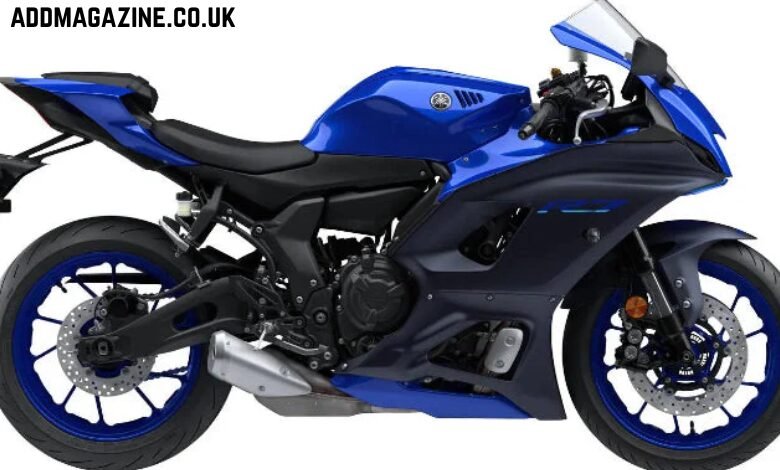
The Yamaha R1 has always been more than just a superbike. With its MotoGP-inspired design and crossplane engine, the R1 is already an exceptional machine straight from the factory. However, what truly excites many riders is the endless scope for Yamaha R1 customization and modifications.
From performance upgrades and aesthetic enhancements to track-focused tuning, the Yamaha R1 offers a solid platform for riders who want to personalize their bike and push it beyond stock limits. In this guest post, we’ll explore the most popular Yamaha R1 modifications, why riders choose them, and how customization can transform both the riding experience and visual appeal. The article is written in easy, human language and structured for strong SEO performance.
Why the Yamaha R1 Is Perfect for Customization
The Yamaha R1 is engineered with racing at its core. Its advanced electronics, lightweight chassis, and powerful engine make it highly adaptable to different riding styles. Whether a rider focuses on street riding, track days, or professional racing, the R1 can be modified to match those goals.
Another reason the R1 is so popular among custom builders is aftermarket support. There is a vast ecosystem of parts available, ranging from bolt-on accessories to advanced performance components. This allows owners to customize their bikes without compromising reliability when upgrades are chosen wisely.
Customization also helps riders create a deeper connection with their motorcycle. A modified Yamaha R1 doesn’t just perform differently; it feels personal, reflecting the rider’s taste, priorities, and riding philosophy.
Performance Upgrades for the Yamaha R1
Performance modifications are often the first step for Yamaha R1 owners. While the stock engine is already competent, subtle upgrades can unlock smoother power delivery and improved responsiveness.
Exhaust system upgrades are among the most common modifications. A full-system or slip-on exhaust reduces weight, enhances airflow, and delivers a more aggressive sound. When combined with proper ECU tuning, an upgraded exhaust can enhance throttle response and overall ride quality.
ECU flashing and tuning are essential when adding performance parts. Fine-tuning fuel maps, ignition timing, and electronic limits ensures that the bike runs efficiently and safely while maximizing gains. Many riders report noticeable improvements in smoothness and mid-range power after a proper tune.
Suspension and Handling Modifications
Handling is where the Yamaha R1 truly shines, but customization can take it even further. Suspension upgrades are especially popular among riders who participate in track days or aggressive canyon riding.
Upgrading fork internals or rear shock components improves feedback, stability, and consistency under hard braking and acceleration. These changes allow the bike to maintain better tire contact, increasing confidence at higher speeds.
Adjustable rearsets and steering dampers also play a role in refining control. These modifications allow riders to tailor ergonomics and steering feel, making the R1 more predictable and comfortable during spirited riding.
Brake System Enhancements
Braking performance is critical on a high-powered superbike like the Yamaha R1. While the stock brakes are strong, riders who push the bike hard often choose upgrades for better consistency and feel.
High-performance brake pads, braided steel brake lines, and upgraded master cylinders provide improved braking response and reduced fade. These enhancements are particularly noticeable during track use, where repeated hard braking can test the limits of standard components.
Better braking not only improves lap times but also enhances overall safety, giving riders more confidence in demanding situations.
Yamaha R1 Aesthetic Customization
Visual modifications are just as important to many riders as performance upgrades. The Yamaha R1’s sharp design makes it an ideal canvas for customization, allowing owners to create a bike that stands out.
Carbon fiber parts are another favorite among R1 owners. Components such as fairings, tank covers, fenders, and side panels not only enhance aesthetics but also reduce weight. The combination of visual appeal and functional benefit makes carbon fiber a highly desirable upgrade. Many riders specifically look for premium options like Yamaha R1 Carbon Fiber Fairings, which help achieve a race-inspired look while improving overall performance through weight reduction.
Weight Reduction and Materials
Reducing weight is a key goal in Yamaha R1 customization. A lighter bike accelerates faster, brakes more effectively, and handles better.
Aftermarket wheels, lightweight batteries, and carbon fiber body components all contribute to lowering overall mass. Even small reductions in unsprung weight can lead to noticeable improvements in handling and suspension performance.
Weight reduction is especially valuable for track riders, where every kilogram saved translates into improved lap times and less rider fatigue.
Electronics and Rider Aids Customization
One of the Yamaha R1’s strongest features is its advanced electronics package. Customization doesn’t mean removing these systems, but rather optimizing them for individual preferences.
Riders can fine-tune traction control, wheelie control, engine braking, and power delivery modes to match different riding conditions. Track-focused riders often adjust these settings to allow more aggressive riding, while street riders may prefer smoother, more controlled setups.
Data logging and lap timers are also popular additions for riders who want to analyze performance and improve riding technique.
Street vs Track Custom Builds
Yamaha R1 customization often depends on how the bike is used. Street-focused builds prioritize comfort, reliability, and visual appeal, while track builds focus on performance and precision.
Street builds may include ergonomic upgrades, improved lighting, and refined exhaust systems that balance sound with compliance. Track builds, on the other hand, often feature race bodywork, safety wiring, upgraded suspension, and slick tires.
Understanding the bike’s primary purpose helps riders make smarter modification choices and avoid unnecessary upgrades.
Maintenance Considerations After Modifications
Customizing a Yamaha R1 requires responsible ownership. Performance upgrades often demand more frequent maintenance and attention to detail.
Regular inspections, proper servicing, and using quality components are essential to ensure reliability. Riders should also work with experienced technicians when performing advanced modifications, especially those involving engine tuning or electronics.
When done correctly, a modified Yamaha R1 can remain just as dependable as a stock bike while offering a far more engaging riding experience.
Cost and Value of Yamaha R1 Modifications
Customization costs can vary widely depending on the type and quality of parts chosen. Some upgrades are relatively affordable, while others represent a significant investment.
Rather than modifying everything at once, many riders choose a phased approach. Starting with essential upgrades and gradually refining the build allows better budget control and clearer performance feedback.
Well-executed custom builds can also enhance resale value, especially when high-quality components and professional installation are involved.
Final Thoughts on Yamaha R1 Customization
The Yamaha R1 is already a masterpiece of modern motorcycle engineering, but customization allows riders to unlock its full potential. Whether the goal is improved performance, unique styling, or a track-ready machine, the R1 offers unmatched flexibility.
Thoughtful modifications can elevate the riding experience, making the bike feel sharper, lighter, and more connected to the rider. More importantly, customization turns the Yamaha R1 into a personal statement — a machine that reflects passion, precision, and individuality.
For riders who believe that a motorcycle should be as unique as its owner, Yamaha R1 customization and modifications provide endless possibilities.
Popular Yamaha R1 Customization Trends in 2025
As the superbike community continues to evolve, Yamaha R1 customization trends are also shifting toward smarter, more purposeful builds. In recent years, riders have shown a strong preference for modifications that blend performance, durability, and premium aesthetics rather than purely cosmetic changes. This approach ensures that the bike not only looks exceptional but also performs consistently over time.
Riders are investing in carbon fiber components for panels, guards, and bodywork to reduce weight while maintaining structural strength. These upgrades also enhance the R1’s aggressive race-inspired appearance, giving it a cleaner and more professional finish.
Another growing trend is minimalistic customization. Instead of overloading the bike with accessories, many owners focus on subtle yet impactful changes such as refined graphics, matte or satin finishes, and carefully selected performance parts. This results in a cleaner, factory-plus look that feels premium rather than excessive.
Yamaha R1 Track-Day Preparation and Setup
Track days play a major role in how many Yamaha R1s are customized today. Riders who regularly attend track events often prioritize reliability, consistency, and rider feedback over outright power gains.
Track-focused customization usually includes suspension tuning tailored to rider weight and riding style. Proper setup can dramatically improve lap times and rider confidence without changing any major components. Many riders also invest in race bodywork, which is lighter and easier to repair compared to stock panels.
Cooling upgrades, such as improved radiators or high-performance fluids, are also popular among track riders. These modifications help maintain stable operating temperatures during extended high-speed sessions, reducing wear and improving engine longevity.
Yamaha R1 Ergonomics and Rider Comfort
Although the Yamaha R1 is designed with an aggressive riding position, customization allows riders to improve comfort without sacrificing performance. Small ergonomic adjustments can make a significant difference, especially during long rides or extended track sessions.
Adjustable clip-ons, custom seats, and rearset positioning help tailor the bike to the rider’s body type. These changes reduce fatigue, improve control, and enhance overall riding enjoyment. Comfort-focused modifications are particularly important for street riders who use the R1 beyond short, high-intensity rides.
By fine-tuning ergonomics, riders can achieve better posture, smoother weight transfer, and improved confidence in both everyday riding and high-performance situations.
Choosing the Right Modifications for Your Yamaha R1
With so many customization options available, it’s important to approach Yamaha R1 modifications with a clear plan. Riders should first identify their primary riding goals, whether that’s street performance, track dominance, visual appeal, or a balanced combination of all three.
Prioritizing quality over quantity is key. High-quality components from trusted manufacturers not only perform better but also last longer and maintain the bike’s value. Working with experienced professionals for installation and tuning further ensures that modifications deliver the intended benefits.
A well-customized Yamaha R1 is not about chasing trends or extreme numbers. It’s about creating a machine that feels right, performs reliably, and reflects the rider’s passion for motorcycling.
Extended Conclusion: The True Value of Yamaha R1 Customization
Yamaha R1 customization is more than a collection of aftermarket parts. It is a journey that allows riders to understand their motorcycle on a deeper level. Each modification, no matter how small, contributes to the bike’s personality and performance.
When done thoughtfully, customization enhances not just speed or appearance, but the entire riding experience. The Yamaha R1 becomes an extension of the rider — responsive, expressive, and purpose-built. This is why the R1 continues to be one of the most customized and admired superbikes in the world, year after year.