
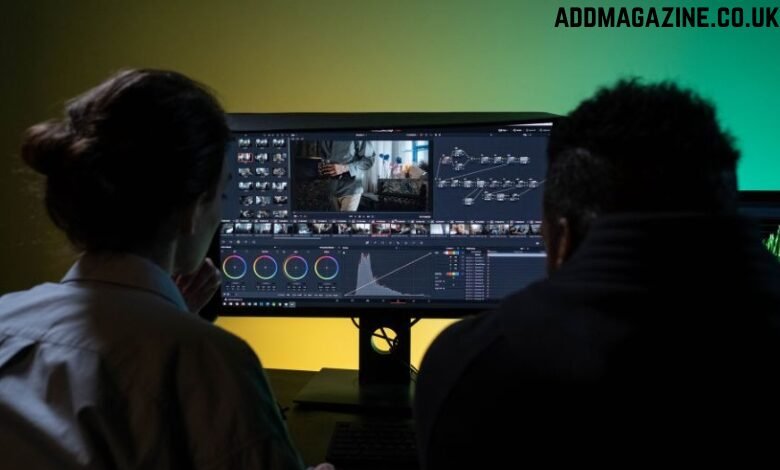
Here’s the uncomfortable truth about video: most of the magic doesn’t happen on set. You can shoot beautiful footage and still end up with something that feels flat. The difference between forgettable and memorable often sits in the rooms you don’t see, with the people who assemble, tune and test the story until it breathes. That’s why a great post production company isn’t a nice-to-have, it’s the backbone.
If you’ve ever watched an edit come alive on version three, when pacing clicks and the soundbed finally carries emotion without shouting, you know the feeling. It’s craft plus system. And it’s repeatable when you choose a partner who treats seconds like sentences, audience attention like currency, and feedback as a design constraint, not a nuisance.
1. Story is made in the edit, not just in the script
Directors plan, producers schedule, but editors decide what the audience feels and when. That isn’t a slight on set work, it’s recognition of where structure truly crystallizes. Scene order, shot duration, insert choices, micro-pauses, the moment a glance lands before the line. Editing builds tension or drains it, clarifies intent or muddies it.
Watch how strong post teams handle rhythm. They protect momentum without hurrying. They let performance breathe without drifting. They cut exposition like a sculptor removes clay, leaving what matters. A good editor will save your campaign from itself by removing clever bits that distract from the point, then reinforce the spine so the narrative carries across platforms. You don’t get that by chance, you get it by hiring a team that has taste and the courage to use it.
The “second seven” test
I ask one question in early reviews. What should the viewer feel at second seven. If the answer is fuzzy, the edit is fuzzy. A seasoned post crew can map emotions per beat and revise accordingly. That clarity shows up in higher watch-through rates and in fewer stakeholder debates.
2. Sound design turns images into experiences
You can endure mediocre visuals with great sound. Not the reverse. Dialogue needs protection, effects need intention, music needs restraint. A thoughtful post partner mixes for humans on ordinary devices, not just for cinema rooms. They test on bad phone speakers, cheap earbuds, office monitors, because that’s where most content lives.
Listen for sonic hierarchy. Voices first, then the world, then the flourish. Volume rides are gentle. Low end is controlled. Silence appears like a character, not a technical error. The outcome is trust: audiences lean in when audio doesn’t fight them. Brand teams win when nuance survives compression.
Music that carries mood, not clichés
Stock tracks can work when selection is deliberate. The best companies keep curated libraries, license with foresight, and build reusable sound beds for series work. That way the output feels coherent across episodes while each piece stays distinct. Panic-free music decisions save days and spare the mix.
3. Color grading guides emotion and brand coherence
Color is more than “cinematic.” It’s mood, realism, and recognition. The grade controls where the eye lands, how skin reads, whether a brand palette whispers or shouts. A strong colorist understands platform reality: mobile contrast, highlight roll-off, shadow detail that survives compression. They don’t chase a trendy look, they honor the story and the brand.
One smart move you’ll see in mature shops is grading for the most common screen first, usually mobile, then adapting up for larger displays. This avoids the classic problem of crushed blacks or oversaturated highlights when your hero lives on social. It’s not glamorous, it’s effective.
Texture and micro-contrast
Resolution is cheap. Texture isn’t. Colorists who know their craft bring life back with micro-contrast, grain when it serves, and measured saturation that lets faces remain human. That realism builds trust faster than any filter.
4. Motion graphics clarify complex ideas without slowing pace
When your story includes data, steps, or product interaction, motion graphics carry the load. Done well, they act like an intelligent guide: typography that orients, icons that read instantly, transitions that feel motivated. Done poorly, they become wallpaper.
Ask to see motion systems under pressure. Can the studio keep clarity when the screen is busy. Do they design with grids that make scanning easy. Do they use 2.5D techniques for tactile depth without turning render times into a week-long wait. You want motion that helps comprehension and keeps eyes moving, especially in vertical formats.
Reusable language, not copy-paste
Great teams build kit libraries for transitions, lower thirds, annotation styles, and interaction metaphors. That gives you speed without sameness. It also protects brand voice across multiple releases. If you hear a shop talk in systems, not just in one-off scenes, you’re in the right room.
5. Pipeline discipline protects time, money and sanity
The least sexy reason is often the most decisive. A post partner with clean pipelines will save you from chaos. Versioning, role-based approvals, naming conventions, asset backups, scheduled review windows, and the right collaboration tools. This isn’t bureaucratic, it’s the difference between shipping and suffering.
Ask how they track notes. How they resolve conflicts when two stakeholders disagree. How they manage remote contributors across time zones. Strong pipelines show up as fewer surprises and faster pivots.
Platform-native thinking baked in
Cropping late is a tax. Planning early is a credit. Post shops that design vertical, square and horizontal compositions from the start handle type stacking, eyeline, and hook timing correctly. The result is fewer re-edits, more consistency, and better performance on the feeds where your audience actually hangs out.
What to evaluate before you sign anything
- Case studies, not just reels. Look at full pieces with context, see if the story holds from start to finish.
- Editorial philosophy. Do they talk about emotion per beat, pacing choices, what to remove as much as what to add.
- Sound practice. Can you hear dialogue on a phone in a noisy room, does the mix feel calm rather than crowded.
- Color approach. Mood over trend, platform awareness, skin realism, brand palette discipline.
- Motion systems. Clear type, readable iconography, depth without render bloat, kits for consistency.
- Pipeline clarity. Version control, approvals, backups, note tracking, realistic schedules.
- Accessibility and localization. Captions crafted, language nuance respected, regional teams involved when needed.
You don’t need perfection on day one. You need honesty and a repeatable system. The right partner will show both in the first meeting.
Common red flags you can catch in ten minutes
Reels that avoid dialogue-heavy work. Defensive answers to questions about captions or mix testing. Vague scope language, especially around revisions. Overpromising timelines with no trade-offs explained. Glossy pitch decks, thin case studies. A “we’ll figure it out later” culture. If your gut feels fog, step back.
How this looks when it’s done well
You brief, they interrogate the intent kindly. Scripts get a diagnostic pass. Previz clarifies rhythm. Production keeps edit realities in mind. Post production starts while you’re still shooting, selects auto-organize, assistant edits propose shape, senior editors decide. Sound builds calmly, grade respects mood and device, motion carries the info without shouting. Reviews are scheduled, notes are tracked, changes are documented. Deliverables ship per platform without a flurry of last-minute rebuilds.
It sounds simple. It isn’t. But it’s doable when your partner treats the process as part of the creative, not a barrier to it.
If you’re choosing this week, here’s the short path
Define your slate clearly. Pick three studios that match the type of work you actually need. Request full case studies with commentary. Ask the second seven question. Test mixes on your phone. Discuss grade strategy for mobile. Review motion kits. Audit pipeline basics. Confirm accessibility scope. Align on revision rules. Then choose the team that demonstrates editorial courage and pipeline calm.
In short
If your video is going to carry a message, respect your audience and ship on time, you need more than talent on set. You need a partner who turns raw footage into a coherent experience, who knows where emotion lives and how to protect it through a busy schedule. That’s the value of a strong post production company. Choose one that treats seconds with care, systems with respect, and collaboration as a craft. Your campaign won’t just look better, it will feel inevitable.