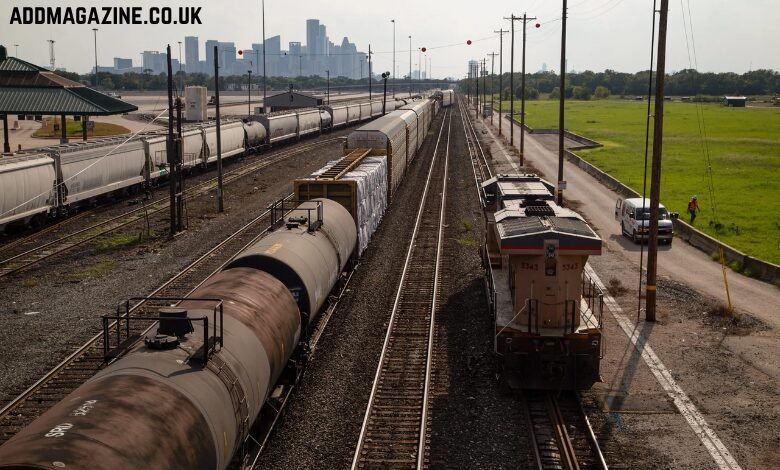
Railroad operations across Texas face mounting pressure from aging infrastructure, extreme weather conditions, and increased freight demands. The state’s extensive rail network, which handles over 40% of all rail freight in the United States, depends heavily on reliable sealing systems to maintain operational integrity. When these systems fail, the consequences extend far beyond immediate repair costs, affecting supply chains, regulatory compliance, and long-term operational viability.
The complex environment of railroad operations creates unique challenges for sealing applications. Temperature fluctuations, vibration, chemical exposure, and mechanical stress combine to create conditions that can rapidly degrade standard sealing solutions. Understanding the most common failure patterns helps railroad operators, maintenance teams, and engineering departments make informed decisions about system design, material selection, and maintenance protocols.
Temperature-Induced Seal Degradation in Rolling Stock Applications
Texas railroad operations experience some of the most demanding temperature conditions in North America, with ambient temperatures reaching well above 100°F during summer months and dropping below freezing during winter cold snaps. These extreme temperature variations cause sealing materials to expand and contract repeatedly, leading to crack formation, hardening, and eventual failure. The problem becomes particularly acute in rolling stock applications where seals must maintain integrity across wheel bearings, brake systems, and hydraulic components.
Railroad companies operating in Texas have increasingly turned to specialized railroads seals custom machining texas services to address these temperature-related challenges. Custom-engineered solutions account for the specific thermal cycling patterns experienced in Texas operations, incorporating materials and designs that maintain flexibility and sealing effectiveness across wide temperature ranges.
Material Selection Impact on Thermal Performance
The choice of sealing material directly affects how well a seal performs under thermal stress. Standard rubber compounds often become brittle in high-heat conditions or lose elasticity during cold weather, creating gaps that allow contamination and fluid loss. Advanced polymer formulations designed for railroad applications maintain their sealing properties across broader temperature ranges, but require careful selection based on specific operational parameters and expected service life requirements.
Thermal Cycling Effects on Seal Geometry
Repeated expansion and contraction cycles gradually alter the geometry of sealing components, particularly in applications with tight tolerances. Over time, this dimensional change reduces contact pressure between the seal and mating surfaces, allowing fluid leakage and contamination ingress. Understanding these geometric changes helps maintenance teams establish appropriate inspection intervals and replacement schedules before critical failures occur.
Chemical Compatibility Issues in Fuel and Hydraulic Systems
Railroad operations involve extensive use of hydraulic fluids, lubricants, and fuel systems, each presenting distinct chemical environments that can attack sealing materials. Incompatible seal materials can swell, shrink, or chemically degrade when exposed to specific fluids, leading to rapid failure and potential safety hazards. The problem intensifies when different fluid types come into contact with the same sealing system, creating complex chemical interactions that standard materials cannot withstand.
Modern railroad equipment often uses specialized hydraulic fluids designed for enhanced performance characteristics, but these advanced formulations can be more aggressive toward conventional sealing materials. Fire-resistant hydraulic fluids, synthetic lubricants, and biodegradable options each present unique compatibility challenges that require careful material selection and testing.
Fluid Contamination and Seal Performance
Contaminated fluids accelerate seal degradation through abrasive particles, chemical byproducts, and moisture infiltration. Water contamination in hydraulic systems creates particularly challenging conditions for sealing materials, as it can cause swelling in some materials while promoting corrosion in metal components that interface with seals. Maintaining fluid cleanliness becomes critical for achieving expected seal service life.
Multi-Fluid Environment Challenges
Railroad equipment often requires seals to function in environments where multiple fluid types may be present, either by design or through cross-contamination. Engine compartments, for example, may expose seals to fuel, engine oil, coolant, and hydraulic fluid simultaneously. This multi-fluid exposure requires sealing materials with broad chemical resistance characteristics, often necessitating custom formulations or specialized designs.
Vibration and Dynamic Loading Effects on Seal Integrity
Railroad operations subject sealing systems to continuous vibration and dynamic loading conditions that can cause premature wear and failure. The constant movement of trains creates oscillating forces that work seals within their grooves, gradually wearing away material and reducing sealing effectiveness. High-frequency vibrations from rail joints and wheel interactions combine with lower-frequency movements from locomotive operation to create complex loading patterns that challenge conventional seal designs.
Dynamic sealing applications, such as hydraulic cylinders and rotating shaft seals, face additional challenges from the variable loading conditions typical of railroad service. Emergency braking, coupling impacts, and grade changes create sudden pressure spikes and load reversals that can damage sealing lips or cause extrusion failures in applications with inadequate backup support.
Fretting Wear in Sealing Applications
Micro-movements between sealing surfaces create fretting wear patterns that gradually degrade both the seal and mating components. This wear mechanism is particularly problematic in railroad applications because the continuous vibration environment promotes constant relative motion, even in nominally static sealing applications. Fretting wear creates surface roughness that further accelerates seal degradation and can lead to catastrophic failure if not addressed through proper design and material selection.
Pressure Spike Management
Sudden pressure increases in hydraulic systems can cause seal extrusion, where the sealing material is forced into clearance gaps and damaged or destroyed. Railroad operations frequently experience rapid pressure changes during normal operation, making pressure spike resistance a critical design consideration. Proper backup ring selection and groove design become essential for preventing extrusion failures in high-pressure applications.
Contamination-Related Seal Failures
Railroad environments expose sealing systems to multiple contamination sources that can cause rapid degradation and failure. Airborne particles from track ballast, metal wear debris from wheels and rails, and environmental contaminants create abrasive conditions that damage sealing lips and reduce sealing effectiveness. The open nature of railroad operations makes complete contamination exclusion impossible, requiring sealing solutions designed to function in contaminated environments.
Contamination failures often develop gradually, making them difficult to detect until significant damage has occurred. Abrasive particles embedded in sealing surfaces create permanent damage that continues to worsen throughout the remaining service life. According to the Federal Railroad Administration, contamination-related component failures represent a significant portion of railroad maintenance issues, emphasizing the importance of proper sealing system design and maintenance practices.
Particle Ingress Prevention Strategies
Effective contamination management requires multiple barriers and filtration strategies to minimize particle exposure to critical sealing surfaces. Primary seals must be protected by excluder seals or covers that block the largest particles while allowing necessary movement and thermal expansion. Secondary sealing systems provide backup protection and help manage any contamination that bypasses primary barriers.
Seal Design for Contaminated Environments
Seals intended for railroad service must incorporate design features that maintain functionality despite contamination exposure. Wiping lips that remove particles during operation, sacrificial surfaces that wear preferentially, and geometry that promotes self-cleaning action all contribute to extended service life in contaminated applications. Material selection also plays a critical role, with harder compounds offering better abrasion resistance at the expense of sealing conformability.
Installation and Maintenance-Related Failures
Improper installation practices account for a significant percentage of premature seal failures in railroad applications. The demanding service conditions of railroad operations leave little margin for installation errors, making proper procedures and training essential for achieving expected component life. Common installation mistakes include seal damage during assembly, incorrect orientation, improper lubrication, and inadequate surface preparation.
Maintenance-related failures often result from inadequate inspection procedures, inappropriate replacement parts, or deferred maintenance that allows minor issues to develop into major failures. The complexity of modern railroad equipment requires maintenance personnel to understand the specific requirements of different sealing applications and the consequences of maintenance shortcuts or compromises.
Surface Preparation Requirements
Sealing surfaces must meet specific finish and cleanliness standards to ensure proper seal performance and longevity. Scratches, corrosion, or contamination on sealing surfaces create leak paths and accelerate seal wear. Proper surface preparation includes cleaning, inspection, and refinishing when necessary to restore surfaces to acceptable condition. The cost of proper surface preparation is minimal compared to the consequences of premature seal failure.
Assembly Procedure Impact on Performance
Seal installation procedures must account for the specific requirements of each application, including proper lubrication, installation tooling, and assembly sequence. Forcing seals over sharp edges, using incorrect lubricants, or allowing contamination during assembly creates conditions for rapid failure once equipment returns to service. Standardized assembly procedures and appropriate tooling reduce the risk of installation-related failures.
Environmental Exposure and UV Degradation
Extended exposure to environmental conditions creates unique challenges for railroad sealing applications that operate in outdoor service. Ultraviolet radiation from sunlight causes photodegradation in many sealing materials, leading to cracking, hardening, and loss of sealing properties. The intense Texas sun creates particularly challenging UV exposure conditions that can rapidly degrade sealing materials not specifically formulated for outdoor service.
Ozone exposure, temperature cycling, and moisture infiltration combine with UV radiation to create complex degradation mechanisms that affect different sealing materials in various ways. Understanding these environmental factors helps in material selection and maintenance planning for exposed sealing applications.
Material Formulation for UV Resistance
Sealing materials intended for outdoor railroad service require specific additives and base polymer selection to resist UV degradation. Carbon black reinforcement, UV stabilizers, and antioxidants help protect polymer chains from photodegradation, but these additives can affect other material properties such as flexibility or chemical resistance. Balancing UV resistance with other performance requirements requires careful material formulation and testing.
Protective Design Strategies
Physical protection from UV exposure through covers, shields, or equipment design can significantly extend seal life in outdoor applications. When direct sun exposure cannot be avoided, material selection becomes critical for maintaining sealing performance throughout the expected service life. Regular inspection of UV-exposed seals allows for proactive replacement before failure occurs.
Regulatory Compliance and Safety Implications
Sealing system failures in railroad applications can create safety hazards and regulatory compliance issues that extend far beyond the immediate operational impact. Hydraulic fluid leaks, brake system failures, and fuel system problems all have safety implications that can result in accidents, injuries, and regulatory sanctions. Understanding the regulatory framework that governs railroad operations helps prioritize sealing system reliability and maintenance attention.
Federal Railroad Administration regulations establish specific requirements for railroad equipment maintenance and operation that directly impact sealing system selection and maintenance practices. Compliance with these regulations requires documentation of maintenance activities, use of approved materials and procedures, and regular inspection of safety-critical components.
Safety-Critical Applications
Sealing systems in brake applications, coupling mechanisms, and fuel systems require heightened attention due to their direct impact on operational safety. Failures in these systems can create immediate hazards that threaten personnel safety and equipment integrity. Regular inspection, proactive replacement, and use of appropriate materials become essential for maintaining safe operations and regulatory compliance.
Documentation and Traceability Requirements
Regulatory compliance often requires detailed documentation of maintenance activities, material specifications, and inspection results. This documentation helps demonstrate compliance with applicable regulations and provides valuable data for analyzing failure patterns and improving maintenance practices. Proper record-keeping also supports warranty claims and helps identify systematic issues that require corrective action.
Conclusion
The seven critical failure modes discussed represent the most significant challenges facing railroad sealing applications in Texas operations. Understanding these failure mechanisms enables railroad operators, maintenance personnel, and engineering teams to make informed decisions about material selection, design requirements, and maintenance strategies. The complex operating environment of railroad applications demands specialized sealing solutions that account for temperature extremes, chemical exposure, dynamic loading, contamination, and environmental factors.
Preventing costly failures requires a comprehensive approach that addresses material selection, proper installation, regular maintenance, and regulatory compliance. The investment in appropriate sealing solutions and maintenance practices provides significant returns through reduced downtime, lower maintenance costs, improved safety, and enhanced operational reliability. As railroad operations continue to intensify and equipment becomes more sophisticated, the importance of reliable sealing systems will only continue to grow.
Success in managing sealing system reliability requires ongoing attention to emerging technologies, changing operational requirements, and lessons learned from failure analysis. By understanding the root causes of sealing failures and implementing appropriate preventive measures, railroad operations can achieve the reliability and safety standards necessary for sustainable business success in the competitive transportation market.