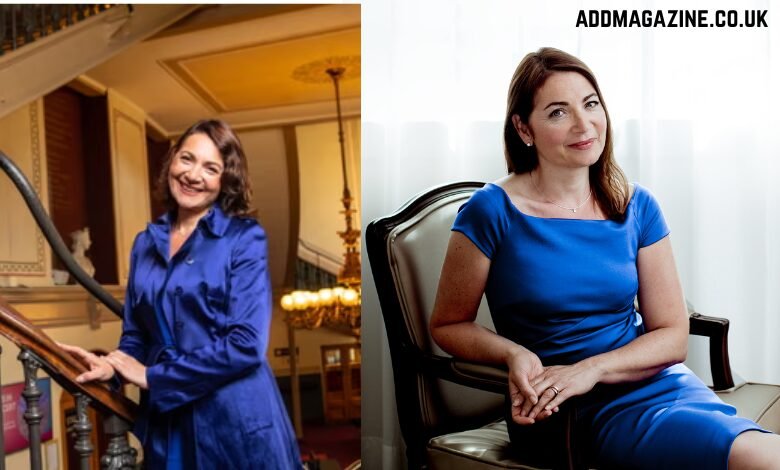
Katya Adler is one of the leading journalists in Europe today, known primarily for her role as the BBC’s Europe Editor. Throughout her career, Adler has become a household name for providing in-depth, clear, and unbiased reporting on European affairs, especially on pivotal issues like Brexit, the European Union, and other international political matters. This article provides a comprehensive look at her early life, career, family life, and legacy.
Early Life and Education
Katya Adler was born on May 3, 1972, in London, England, to German Jewish immigrant parents. Raised in a bilingual household, she was fluent in both English and German from a young age, which would later prove beneficial in her career as a foreign correspondent. Adler’s upbringing in a multicultural family helped to shape her worldview and foster her interest in international affairs.
She attended South Hampstead High School, an independent school in London, and later pursued higher education at the University of Bristol, where she earned a degree in German and Italian. While studying, Adler developed an interest in European politics and international relations, which led her to focus on foreign reporting in her later career.
Entry into Journalism
After completing her degree in German and Italian, Katya Adler moved to Vienna in 1995 to work with Austria’s public broadcaster ORF. She gained invaluable experience as a reporter, covering the political transformations that were unfolding across Central and Eastern Europe after the fall of the Berlin Wall.
In 1997, Adler moved to Berlin, where she continued her work as a correspondent for ORF, covering stories about European politics and international relations. In 1998, she joined the BBC, where she started to make a name for herself as a reporter with deep expertise in European affairs.
Career Milestones and BBC Work
Katya Adler’s career truly took off after she joined the BBC in 1998. She initially worked in the BBC’s Vienna office, covering European events and political developments. Her expertise in European languages and politics made her a natural fit for the job, and her multilingualism allowed her to report across a wide range of countries, especially those within the European Union.
In 2000, Adler was appointed the BBC’s Berlin correspondent, where she reported on key political developments in Germany and the rest of Europe. Her ability to speak German fluently was crucial in giving her an edge as she covered the European Union and Germany’s relationship with its neighbors. She also gained significant exposure in 2001 when the 9/11 attacks occurred, which led to a period of intense geopolitical coverage for her.
Adler’s career reached another level when she moved to Madrid in 2003 to serve as the BBC’s Spain correspondent. While based in Spain, she reported on several high-profile stories, including the 2004 Madrid train bombings, one of the deadliest terrorist attacks in Spain’s history. Her coverage was well-regarded for its sensitivity, depth, and clarity, qualities that would continue to define her career.
In 2006, Adler was promoted to the role of Middle East correspondent for the BBC. She was stationed in Jerusalem, where she reported extensively on the Israeli-Palestinian conflict and the broader geopolitical shifts in the Middle East. Her experience in covering wars, revolutions, and humanitarian crises further solidified her reputation as a leading foreign correspondent.
Becoming the BBC Europe Editor
In 2014, Katya Adler was appointed as the BBC’s Europe Editor, a role that solidified her as one of the foremost authorities on European affairs. She succeeded Gavin Hewitt, and her tenure in the role has been marked by comprehensive reporting on some of Europe’s most pressing issues, including the Brexit referendum, the refugee crisis, and the EU’s ongoing internal struggles.
As Europe Editor, Adler has become a household name for her Brexit coverage. She provided continuous and detailed reports on the negotiations between the United Kingdom and the European Union, breaking down the complex, often confusing, political discussions into digestible news for the public. She is known for providing balanced, clear analysis without leaning towards any particular political viewpoint, making her reporting highly trusted.
Major Achievements and Documentaries
Throughout her career, Katya Adler has been involved in numerous documentaries and special projects that have showcased her in-depth knowledge of international politics. In 2021, she presented a two-part documentary series titled “Living Next Door to Putin”, which examined Russia’s influence on its neighboring countries and the growing tensions between Russia and the West. The documentary was highly praised for its thoroughness and unbiased examination of the geopolitical issues at play.
Additionally, Adler has contributed to BBC Radio 4 documentaries, including coverage of historical European events such as the 700th anniversary of Dante’s Divine Comedy, which she presented in 2021. Her work on these special programs has allowed her to bring historical and cultural topics to life in a way that connects with a wide audience.
Personal Life and Family
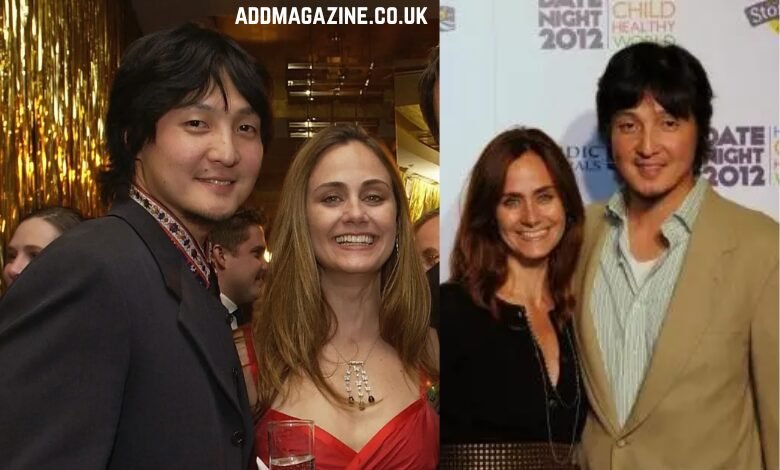
Despite her highly public career, Katya Adler maintains a relatively private personal life. She is married and a proud mother of three. However, Adler has always chosen to keep her family life away from the media spotlight, preferring to focus on her professional accomplishments.
Her husband’s name is not widely known, and they have opted to keep their family life private, unlike many public figures in her position. As for her children, their names and other personal details are also kept private, as Adler wishes to shield them from the media attention that she regularly faces.
Adler lives between several locations due to her work, but it is believed that her primary residence is in Brussels, where she is often based for her role as Europe Editor. However, her work often takes her to other European capitals, including London, Berlin, and Madrid, due to the nature of her job.
Katya Adler’s Health and Personal Struggles
Katya Adler’s health has occasionally been a topic of discussion in the media, particularly her weight loss and personal health struggles in recent years. While Adler has not publicly shared detailed information about her health, reports suggest that she has faced challenges related to her health, particularly during intense reporting assignments in war zones and conflict areas.
Despite these challenges, Adler continues to work and maintain her high standards of reporting. She has become known not only for her professional achievements but also for her resilience in the face of personal health challenges.
Public Image and Legacy
Katya Adler’s work has earned her numerous accolades and awards, including honorary degrees and recognition from the Royal Television Society. She is highly respected in the world of journalism for her depth of knowledge and ability to explain complex issues in a manner that is accessible to the general public.
Her legacy is shaped by her ability to navigate difficult political environments and bring clarity to some of the most complex global issues. Her role as Europe Editor has made her one of the most prominent and influential journalists in Europe.
Conclusion
Katya Adler’s career spans over two decades and has been marked by groundbreaking reporting on key global issues. From her early career as a foreign correspondent in the Middle East to her current role as Europe Editor at the BBC, Adler has become one of the most recognized names in European journalism. Her coverage of Brexit, her insightful documentaries, and her ability to explain complex international affairs have cemented her legacy as a respected and influential journalist.
While she maintains a low profile regarding her personal life, her professional accomplishments are a testament to her expertise. As Europe faces new challenges and transformations, it is clear that Katya Adler’s reporting will continue to play a crucial role in informing the public about the evolving political landscape of Europe.