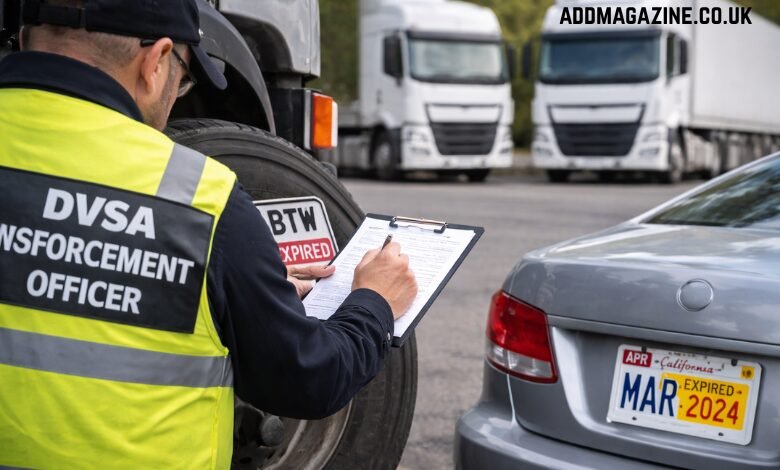
The transportation industry, particularly in the commercial vehicle sector, is subject to stringent regulatory requirements. Vehicle licensing laws ensure that commercial vehicles operate safely, minimizing the risk of accidents and promoting overall road safety. The consequences of violating these regulations can be severe, impacting both businesses and individuals in the industry. A prominent case that highlights the importance of compliance with vehicle licensing standards is the case of Byron Thomas Williams, a UK haulage company director whose operations faced significant regulatory action due to severe licensing and safety violations. This article delves into the events surrounding this case, shedding light on the enforcement of vehicle licensing laws and the consequences of non-compliance.
The Importance of Vehicle Licensing in the Transport Industry
Vehicle licensing regulations are crucial for maintaining safety standards in the transport industry. In the UK, for example, companies that operate heavy goods vehicles must secure an operator’s licence from the Traffic Commissioner. This licence ensures that the business meets several key criteria, including proper vehicle maintenance, financial stability, and the management competence required to ensure safe operations.
The operator’s licence is not a one-time permission. It requires continuous compliance with various regulations, including regular vehicle inspections, proper maintenance systems, and accurate record-keeping. Failure to meet these requirements can lead to serious penalties, including warnings, licence suspensions, or even complete revocation.
One of the key elements of licensing is the assurance that vehicles are fit for road use and are maintained to prevent accidents. When a company fails to uphold these standards, it jeopardizes the safety of its vehicles, drivers, and the general public. This is where regulatory bodies, such as the Traffic Commissioner, step in to enforce compliance.
The Case of Byron Thomas Williams and BTW Transport Ltd.
The case involving Byron Thomas Williams and his company, BTW Transport Ltd., serves as a cautionary tale for the transport industry. The company held a national goods vehicle operator’s licence, which allowed it to operate several trucks and trailers for its commercial transport operations. However, investigations and inspections revealed significant breaches in vehicle licensing and safety regulations, prompting a public inquiry into the company’s operations.
The inquiry uncovered multiple compliance issues that raised questions about the company’s ability to meet regulatory standards. These included problems with vehicle maintenance, poor documentation, and a lack of proper safety procedures. The following sections will explore the key findings from the investigation and the eventual penalties faced by Byron Thomas Williams and his company.
Safety Violations and Maintenance Failures
The investigation into the operations of BTW Transport Ltd. began with a routine vehicle inspection, where one of the company’s trucks was found to have loose wheel nuts. This seemingly minor issue triggered a more in-depth investigation, which uncovered widespread problems in the company’s maintenance practices.
Upon further inspection, it was revealed that the company had been failing to meet the required maintenance and safety standards for its fleet. The maintenance records were found to be incomplete or inaccurate, with some documents referencing parts that were not installed in the vehicles. In some cases, brake tests were not conducted or recorded as required. These failures were not isolated incidents but part of a broader pattern of negligence within the company.
Additionally, the driver defect reporting system was found to be ineffective. Drivers were regularly reporting that no defects were present in their vehicles, yet significant issues were later discovered during inspections. This discrepancy raised concerns about the reliability of the company’s safety monitoring systems and whether the drivers were properly trained to identify and report defects.
Operating Without a Valid Licence
One of the most serious violations uncovered during the investigation was the continued operation of vehicles after the company’s operator’s licence had been revoked. Despite having lost its legal right to operate, BTW Transport Ltd. continued to use its vehicles for approximately three weeks. Operating commercial vehicles without a valid licence is a major violation, as it undermines the entire licensing system designed to ensure public safety.
Further investigations also revealed that some of the vehicles were being operated without valid vehicle excise duty (VED) payments. This gave the company an unfair advantage over compliant competitors, as it allowed them to avoid certain regulatory fees that responsible operators had to pay. The continued operation of unlicensed vehicles compounded the seriousness of the company’s failures and led to more severe penalties.
The Public Inquiry and Its Outcome
Following the discovery of these violations, a public inquiry was launched by the Traffic Commissioner to assess whether BTW Transport Ltd. and its director, Byron Thomas Williams, were fit to hold an operator’s licence. The inquiry is a formal process in which regulators review evidence, examine the company’s operations, and make a determination about whether the company can continue to operate legally.
During the inquiry, investigators presented evidence of maintenance deficiencies, licensing breaches, and the company’s failure to meet safety and operational standards. The Deputy Traffic Commissioner, after reviewing the evidence, concluded that the company’s compliance systems were inadequate and that there was little confidence in the company’s ability to meet regulatory expectations in the future.
As a result, the Traffic Commissioner revoked the operator’s licence held by BTW Transport Ltd., meaning the company could no longer legally operate its commercial vehicles. This decision was accompanied by a 12-month disqualification, meaning the company was banned from obtaining a new operator’s licence for one year.
Personal Penalties for Byron Thomas Williams
The penalties imposed on Byron Thomas Williams went beyond the revocation of the company’s operator’s licence. The director himself faced personal consequences for his role in overseeing the company’s operations. Williams was disqualified from holding or being involved in any operator’s licence for the same 12-month period.
This penalty highlights the personal responsibility that directors and managers have in ensuring that their companies comply with vehicle licensing and safety regulations. In cases where an individual is found to have failed in their responsibilities, they can be disqualified from managing or operating a transport business for a specified period. This serves as a deterrent to ensure that business leaders prioritize regulatory compliance and safety standards.
The Impact on the Transport Manager
In addition to the penalties faced by the company and its director, the case also had consequences for the transport manager associated with BTW Transport Ltd. The transport manager is a key figure in ensuring that a company meets its regulatory obligations, including overseeing vehicle maintenance and ensuring that drivers follow safety protocols. In this case, the transport manager lost their professional good repute and was disqualified from acting in that role until further regulatory review.
Losing good repute is a serious matter for professionals in the transport industry. It means that they can no longer hold key positions in the management of vehicle licensing and compliance, which can significantly impact their career prospects. This outcome underscores the importance of maintaining high standards of safety and compliance within the industry.
The Lessons Learned
The case of Byron Thomas Williams and BTW Transport Ltd. offers several important lessons for businesses and individuals in the transport industry. First and foremost, it highlights the importance of maintaining accurate and complete maintenance records. Regulators rely on these records to confirm that vehicles are being properly inspected and repaired, and any discrepancies or omissions can lead to serious consequences.
Another key lesson is the importance of respecting regulatory decisions. Continuing to operate vehicles after a licence has been revoked can lead to far more severe penalties than the original compliance issues. It is crucial for companies to adhere to licensing requirements and to act promptly when faced with regulatory challenges.
Lastly, the case emphasizes the need for strong internal safety systems. Regular vehicle inspections, accurate defect reporting, and proper maintenance schedules are all essential components of a compliant operation. Companies that fail to implement these systems risk facing penalties that can jeopardize their business and reputation.
Conclusion
The Byron Thomas Williams vehicle licensing penalties case serves as a stark reminder of the importance of compliance with vehicle licensing and safety regulations in the transport industry. The penalties imposed on BTW Transport Ltd. and its director highlight the serious consequences of failing to maintain safe and compliant operations.
For transport companies, fleet managers, and drivers, this case underscores the need to prioritize safety, maintain accurate records, and comply with regulatory requirements. By doing so, operators can avoid the severe penalties and operational disruptions that come with non-compliance. In the end, the lessons learned from this case can help improve safety standards across the industry and protect both businesses and the public.