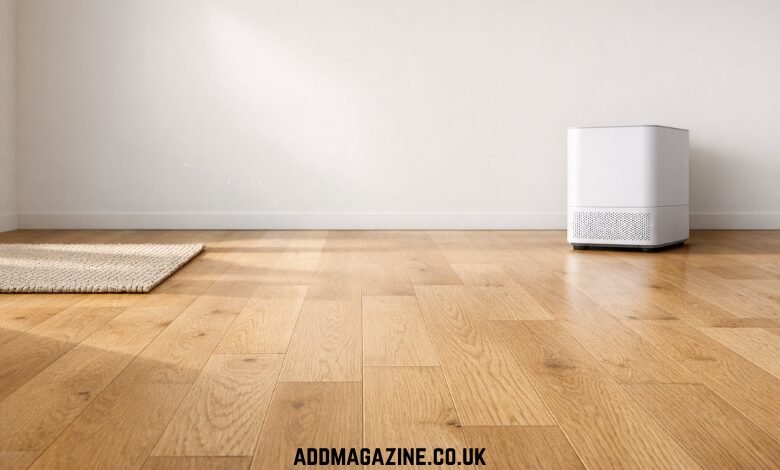
Selecting the right flooring can make a significant difference for households concerned about allergies, observes KRS Holdings Richmond solutions. The right materials and maintenance help reduce common triggers such as dust mites, pollen, mould spores, and pet dander. Understanding which floors are easier to keep clean and healthy empowers you to create a more comfortable home environment.
Indoor air quality is a year-round concern for many, especially for those prone to allergic reactions. Flooring in St Helens, particularly in living spaces and bedrooms, often plays a key role in the accumulation or control of allergens due to its surface area and daily use. Understanding how each material affects air quality and cleaning routines will help you make more informed decisions for your home. Given the impact flooring has on comfort, health, and upkeep, it is important to select options that address both your allergy concerns and your lifestyle.
The impact of floors on indoor allergens
Floors act as a collection point for many of the airborne particles circulating in your living spaces. Dust, pollen, mould spores, and pet dander often settle out of the air and into carpets or gather along the edges of hard-surfaced floors. This accumulation can lead to flare-ups for people sensitive to common allergens, turning everyday routines such as walking or vacuuming into opportunities for particles to become airborne again. For those managing allergies, the daily cycle of disturbance and re-settling highlights the importance of choosing materials that do not easily harbour allergens. The more porous or textured a floor, the harder it can be to keep particle levels low without frequent deep cleaning.
Moisture also plays a significant role in driving the growth of mould and dust mites. Some flooring materials absorb spills or humidity, making them potential breeding grounds for microscopic organisms that aggravate respiratory conditions. In rooms prone to dampness, such as bathrooms or kitchens, careful flooring selection and maintenance are central to controlling allergen loads. Good flooring choices, paired with effective ventilation and prompt cleaning of spills, reduce unwanted moisture and help keep indoor air clear. Awareness of these factors helps you prioritise ease of cleaning and moisture resistance when selecting allergy-friendly flooring options.
Comparing surfaces for allergen control
Different flooring materials offer varying levels of protection against allergens, based on how easily they can be cleaned and how likely they are to trap particles. Smooth, sealed hard surfaces such as tile, sealed hardwood, and laminate are generally considered easier to keep free of surface allergens than thick carpets, as they do not hold dust or pet hair deep within fibres. Without piles or loops to catch microscopic debris, these options allow for effective cleaning with a vacuum or damp mop, which is important for maintaining surfaces that do not contribute to poor indoor air quality. However, each type of flooring also comes with its own set of practical considerations regarding installation, maintenance, and comfort.
Vinyl flooring and properly sealed tiles can offer a high level of moisture resistance, making them suitable for damp-prone areas and reducing the risk of mould and mildew. Gaps between floorboards or damaged seals, though, can become points where allergens or moisture accumulate. When considering characteristics like slip resistance and durability, as well as aesthetic options, it is necessary to balance health needs with other requirements. Regular care and monitoring of grout lines and junctions, especially in bathrooms and kitchens, will also lessen the risk of allergen and mould build-up over time.
Managing carpets, rugs, and cleaning habits
While hard flooring is often recommended for allergy-prone households, not everyone wants to abandon carpets entirely. In some cases, low-pile, densely woven carpets may be manageable when paired with frequent vacuuming and periodic professional cleaning. Short fibres do not trap as many particulates as deeper piles, and tightly constructed carpets shed fewer fibres into the air. The choice of underlay can also have an impact, as dense, hypoallergenic materials beneath your carpet will resist mould growth and slow the accumulation of dust. Homeowners often find that using quality vacuums with HEPA filters can keep carpets serviceable, though they do require greater diligence than hard floors.
Cleaning routines are just as crucial as flooring material when managing household allergens. Many sources indicate that vacuuming with a high-efficiency filter and wet mopping smooth floors can remove both large and microscopic particles. Excessive use of harsh detergents, however, can irritate sensitive airways, so it is best to use milder, fragrance-free cleaners suitable for allergy management. Establishing a cleaning schedule that fits the room’s needs, such as more frequent cleaning in high-traffic or pet-occupied areas, provides additional support for allergy-sufferers. For any flooring option, ongoing care is essential for maintaining an environment that supports healthy breathing and fewer allergy symptoms.
Key factors when making your final flooring choice
Your decision about allergy-friendly flooring should weigh comfort, appearance, daily upkeep, and price as well as health factors. While smooth flooring makes allergen control more accessible, some people prioritise softness underfoot or sound absorption, especially in bedrooms and living areas. Rugs, when chosen in washable, tightly woven fabrics, can offer a degree of compromise for comfort without too much sacrifice in air quality. For homes with pets or young children, safety elements such as slip resistance and resilience against scratches or dents also play a role in product selection. A practical approach involves balancing these requirements based on your household’s frequent activities and needs.
Before selecting a specific product, look for certifications and emission labels that indicate low VOC output. Professional installation, adequate acclimatisation of materials, and the right cleaning and ventilation habits together result in allergy-friendly outcomes. If budget constraints are a concern, weigh long-term cleaning and maintenance expenses alongside the initial outlay, as lower-priced floors may require more effort to maintain safe indoor air quality. Consulting manufacturer specifications regarding allergy suitability, together with routine inspections for wear and gaps, gives you greater confidence that your chosen flooring improves household wellbeing. Being informed and attentive to these factors helps ensure your flooring investment contributes to a healthier home environment.