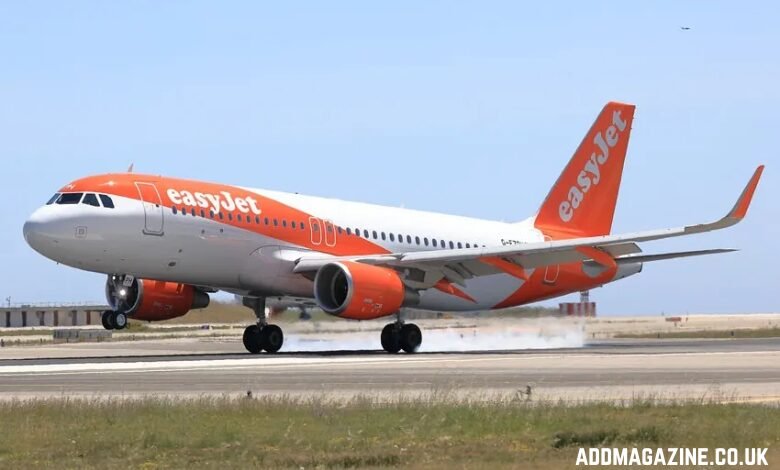
On the evening of October 27th, 2025, EasyJet flight U2238, which was traveling from Copenhagen to Manchester, had to make an unexpected emergency landing at Newcastle Airport. The flight, originally scheduled to land at Manchester at 10:35 pm GMT, was diverted just before 11 pm due to a medical emergency involving a passenger onboard.
The Flight’s Journey and Delays
EasyJet flight U2238 was initially delayed in Copenhagen, departing at 10:22 pm CET, which was more than half an hour later than its original scheduled departure time. The flight had been expected to reach Manchester just after 10:30 pm. However, shortly into the journey, the plane encountered a situation that required immediate action from the flight crew.
The airline quickly released a statement, explaining that the disruption to the flight was an “extraordinary circumstance” and outside of their control. They further clarified that the reason for the emergency landing was due to a “passenger welfare issue,” a term that often points to medical emergencies requiring swift intervention.
Medical Emergency on Board
As the flight was making its way across the skies from Copenhagen, the crew was alerted to a passenger in distress. The situation quickly escalated, and it was clear that immediate medical attention was required. The safety and well-being of the passengers and crew are always top priorities for airlines, and this emergency situation prompted the flight crew to divert the aircraft.
The decision was made to re-route the plane to Newcastle, which was closer and better equipped to handle the emergency. The medical condition of the passenger was serious enough to require landing as quickly as possible. Once on the ground at Newcastle Airport, the North East Ambulance Service was immediately dispatched to the scene.
Handling the Situation: Emergency Response
Upon landing at Newcastle, emergency medical teams were waiting to provide immediate care. North East Ambulance Service spokespersons later confirmed that they had received a call at 10:33 pm reporting a person in distress at the airport. An ambulance crew arrived at the airport and transferred the passenger to the Royal Victoria Infirmary (RVI) for further treatment.
This swift response by the emergency services ensured that the passenger received the necessary care in a timely manner. EasyJet confirmed that, following the medical emergency, the aircraft was refueled, and the flight continued its journey to Manchester after a short delay.
Impact on Other Flights
The emergency landing did not only affect passengers on EasyJet flight U2238. At the time of the diversion, another flight, Air France flight AFR1558, was in a holding pattern at Newcastle. Air traffic control had to temporarily halt its progress to allow EasyJet’s emergency landing and give priority to medical operations on the ground.
Once the EasyJet plane was safely on the ground and the medical situation was handled, Air France’s flight was cleared to continue its journey. This situation highlights the complex nature of air traffic management during emergency scenarios, where safety, welfare, and efficient handling of multiple flights must be balanced.
EasyJet’s Response and Communication
In the aftermath of the incident, EasyJet acted quickly to inform passengers and the public. The airline posted an update on its website acknowledging the diversion and apologizing for the inconvenience caused. They reiterated that the situation was beyond their control and that it was a result of an unforeseen medical emergency.
“We’re very sorry that your flight has now been diverted,” said EasyJet in a statement. “This is due to a passenger welfare issue.”
The airline’s spokesperson emphasized that customer safety remains the top priority, and the welfare of passengers is handled with the utmost care. After the plane was refueled, it resumed its journey to Manchester, where it eventually landed safely.
The Importance of Passenger Safety
This incident serves as a reminder of the critical role that airlines play in ensuring the safety and well-being of their passengers. While flight delays and diversions are often seen as inconveniences, the fact that EasyJet acted swiftly and efficiently in response to the emergency reflects the airline’s commitment to passenger safety.
Airlines train their crews to respond quickly and decisively in emergency situations, whether it involves a medical emergency, technical failure, or any other unforeseen issue. In this case, the crew of EasyJet flight U2238 acted without hesitation, making the right choice to land the plane as quickly as possible to get the affected passenger the help they needed.
Aftermath and Impact on Passengers
Passengers onboard flight U2238 were understandably concerned when they were informed of the diversion to Newcastle. However, the swift action taken by the flight crew, medical services, and airport authorities reassured them that their safety was being prioritized.
Upon landing, passengers were given updates about the situation and told that the plane would be refueled before continuing its journey. EasyJet staff made every effort to ensure that the passengers were comfortable during the delay and that their onward journey to Manchester would proceed as smoothly as possible.
Although the flight was delayed by over an hour, passengers eventually reached their final destination. For some, this was a reminder of the unpredictable nature of air travel and the importance of being prepared for any eventuality.
EasyJet’s Apology and Customer Service

After the incident, EasyJet issued a formal apology to all affected passengers. The airline expressed their regret for the inconvenience caused and reassured customers that the decision to divert the plane was made with their safety in mind.
The airline’s communication during the incident was transparent and timely, with passengers being informed of the diversion and given updates on the situation. This type of communication is crucial during emergency situations, as it helps to maintain trust between the airline and its customers.
In addition to the apology, EasyJet confirmed that all passengers would be compensated for the delay, in line with their policies for disruptions caused by medical emergencies. The airline stated that they were working closely with the authorities to ensure that the affected passenger received the best possible care.
Conclusion
The emergency landing of EasyJet flight U2238 in Newcastle on October 27th, 2025, was a rare and unsettling event for those onboard. However, it highlights the importance of safety in the aviation industry and the quick response of airline staff and emergency services.
Despite the disruption caused by the medical emergency, the situation was handled professionally and efficiently, ensuring that the affected passenger received prompt medical care. For the passengers on board, it was a reminder of how unpredictable air travel can be, but also of the commitment that airlines like EasyJet have to their passengers’ safety and well-being.
The incident also demonstrated the importance of clear communication from airlines during emergencies, as EasyJet kept passengers informed throughout the event. Although the flight was delayed, passengers were able to continue their journey to Manchester, safe and well cared for.
In the end, the prompt action of EasyJet’s crew and the medical team at Newcastle Airport ensured that the emergency was resolved successfully. It serves as a reminder that safety must always be the highest priority, and the right decisions, made under pressure, can have life-saving consequences.