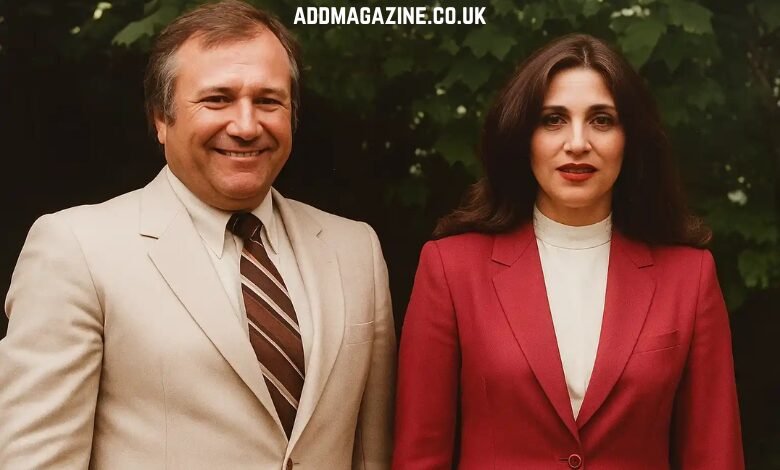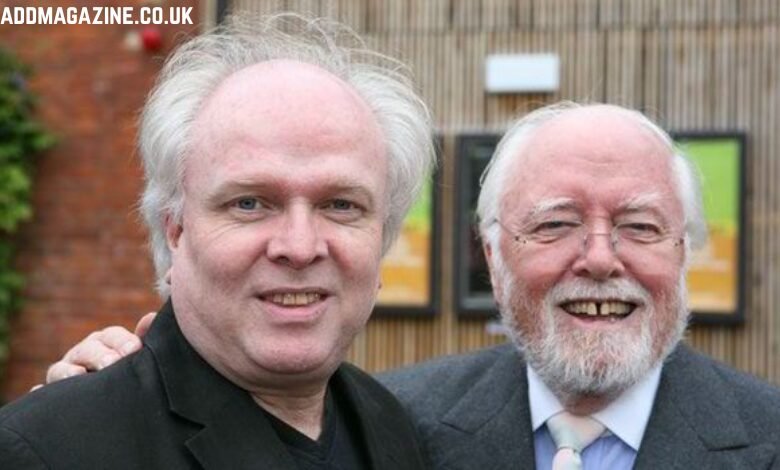
Robert Attenborough, the son of the celebrated naturalist and broadcaster Sir David Attenborough, has made his own unique mark in the world, though not in the way one might expect given his famous lineage. While his father captivated the world through documentaries that explore the natural world, Robert chose a path that kept him away from the public spotlight, focusing instead on academia. This article delves into Robert’s life, from his early years to his academic career, and explores how he has contributed to the legacy of his family.
Early Life and Family
Born in 1955, Robert Attenborough grew up in an environment steeped in both scientific inquiry and public attention, thanks to his father, Sir David Attenborough. David’s groundbreaking work as a naturalist and broadcaster meant that Robert and his sister, Susan, were often in the public eye, though both of them largely avoided the media limelight. Despite the fame of his father, Robert managed to lead a private life, dedicating himself to academic pursuits.
Robert’s mother, Jane Elizabeth Ebsworth Oriel, was originally from Merthyr Tydfil, Wales. She married David in 1950, and the couple had two children: Robert and his sister Susan. Jane tragically passed away in 1997 after suffering a brain hemorrhage at the age of 70. The impact of this loss on the family was profound, and David Attenborough has spoken publicly about the challenges of losing his beloved wife and the deep connection he maintained with his children.
Academic Career
While Robert’s father’s career as a broadcaster brought the natural world to global audiences, Robert chose a path in academia. He pursued a career in biological anthropology, becoming a senior lecturer at the Australian National University (ANU) in Canberra. His work at the School of Archaeology and Anthropology has made him a respected figure in his field.
Robert’s contributions to anthropology focus on human evolution and the behavior of modern humans. Through his research and teaching, he has contributed to a deeper understanding of human biology and the ways in which humans are connected to the broader natural world. His academic career is a testament to his commitment to understanding life from a scientific perspective, just as his father has done in his documentaries, but through a different lens.
Personal Life and Reflections
Despite being the son of a globally recognized figure, Robert has kept his personal life private. He has not sought the public attention that his father garnered through his extensive media presence. In fact, Robert’s life has been one of quiet dedication to his academic pursuits, far removed from the world of television and media.
David Attenborough, in his reflections on his life, has often mentioned his children. In an interview with The Radio Times in 2017, David spoke of his regret about missing out on certain moments of his children’s childhood due to the demands of his career. He admitted that, when his children were young, he often spent long periods away from home, which led him to feel that he had missed irreplaceable moments in their lives.
One such memory, as David recounted in The Times, involved a birthday gift he gave to Robert when he was eight years old. David had given Robert a salamander as a pet, a gift that would leave a lasting impression on both father and son. As David recalled, Robert was fascinated as the salamander slowly walked into its new home, where it soon produced a little one, much to the amazement of both Robert and his father. This moment, captured by David in his memoir, highlights the shared joy and connection between them, despite David’s frequent absences.
Robert’s Role in the Attenborough Legacy
Robert Attenborough may not have the same level of fame as his father, but his contributions to science are significant in their own right. By dedicating his career to the study of anthropology and human evolution, Robert has continued the Attenborough legacy of scientific inquiry, though in a more academic and research-focused manner. While his father’s documentaries have reached millions, Robert’s work has primarily impacted the academic community, where his research in biological anthropology continues to shape the understanding of human behavior and evolution.
In many ways, Robert’s career in academia serves as a quieter extension of his father’s work. Where Sir David’s focus was on documenting and educating the public about the wonders of the natural world, Robert’s work is more focused on understanding humanity’s place within that world. Together, the contributions of both father and son form a comprehensive exploration of life on Earth, from the study of human beings to the vast biodiversity documented by David in his famous documentaries.
Family Life in Later Years
Though Robert has chosen a private life, his relationship with his father remains strong. After the death of his mother, Susan, Robert’s sister, moved in with their father to provide support during his later years. Over time, David has expressed his gratitude for the assistance he has received from his children as he ages, especially Susan, who has helped with daily tasks like shopping and cooking.
Robert, while maintaining his privacy, has similarly supported his father throughout the years. David, now in his late nineties, has expressed concerns about becoming a burden on his children as he grows older. In a 2017 interview with Stylist magazine, David confessed his fear of becoming an “encumbrance” to his children. Despite this, Robert and Susan continue to care for him as he navigates the challenges of aging.
Conclusion
Robert Attenborough’s life may not have been lived in the public eye, but his contributions to academia and his dedication to the study of anthropology are notable. His academic work, focused on understanding human evolution and behavior, continues the Attenborough family’s legacy of exploration and inquiry, though in a quieter, more scholarly manner. While Robert may never have sought the fame that his father garnered, his work remains an important part of the family’s ongoing impact on our understanding of the natural world.
Through his career, Robert has shown that there are many ways to contribute to the legacy of scientific discovery. His work, though not as publicly visible as his father’s documentaries, has shaped the academic field of anthropology and continues to inspire future generations of scholars. The Attenborough family’s contributions to the study of life on Earth, whether through documentaries, research, or teaching, are a testament to their commitment to understanding and preserving the natural world.