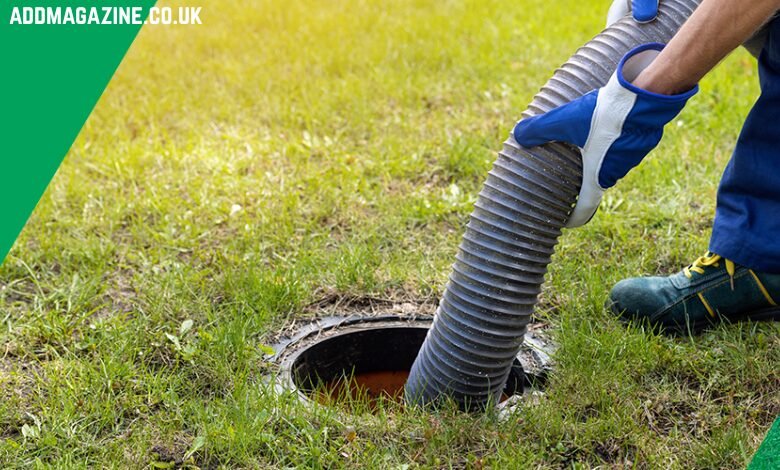
A submersible sewage grinder pump plays a vital role in modern wastewater management. It deals with tough waste materials and prevents frequent pipe blockages. As residential and commercial plumbing systems evolve, this equipment has become more necessary than ever. Click here to explore its core details: this article covers its working principles, major benefits, installation tips and maintenance methods. By reading further, you will gain complete knowledge to make wise decisions for your sewage system.
Key Components and Their Functions
To grasp how it runs, we look at its main parts. Each has a clear task.
Motor: This is the power hub. It drives the whole unit. It is sealed tight to stop water from getting in. Most motors run on single phase or three phase power. Horsepower changes with job size.
Grinder System: It holds sharp blades or cutters. They shred solids into small pieces. Some use rotating discs, others use spinning teeth. The grind action eases flow and stops jams.
Impeller: After grinding, the impeller moves the slurry. It turns and pushes liquid out via the outlet pipe. It may be open or closed type, based on design.
Seal Assembly: A seal keeps water away from motor parts. Dual seals are common. If the first fails, the second holds. This guards against costly damage.
Float Switch: This sensor checks water height. When waste rises to a set point, it triggers the pump. Once the level drops, it shuts off. Some units use digital sensors now.
Housing: Made from cast iron or stainless steel, it gives strength. It must fight corrosion and wear. Good housing means long life.
Discharge Pipe Connection: This port links to the outflow line. It must match pipe size to avoid loss of pressure.
Each part works in sync. The motor powers the grinder and impeller. The float switch times the action. Seals guard the motor. Housing holds all steady.
Working Principle
The working method is simple but smart. First, waste flows into the pump chamber. The float switch senses high level and turns the motor on. Next, the grinder system spins fast. It cuts solids into bits small enough to pass through pipes. Then the impeller thrusts the mix upward. It goes out through the discharge line to the main sewer or septic tank, observes Keyrenter Richmond Henrico team.
When the level falls, the float switch cuts power. The motor halts. No run dry occurs if the design is right. The process repeats each time waste piles up. Because of pre cutting, there is less strain on pipes and downstream gear.
Modern types may add features. Some have auto reverse to shake loose stuck bits. Others track run time and errors. Smart control helps cut power use and warn of faults.
Advantages of a Submersible Sewage Grinder Pump
There are strong gains from using this pump. The core advantages are listed in the table below in plain terms.
| Advantage | Detailed Description |
| Clog Resistance | Grinding cuts solids, so block spots are rare. This means fewer call outs for unclog jobs. |
| Space Saving | As it works under water, no need for extra dry pits. This saves room in tight spots. |
| Ease of Install | Set it in the sump hole, link to power and pipe, and it is ready. Less labor than split systems. |
| Low Noise | Being under water damps noise. It suits homes and hotels where sound matters. |
| Strong Flow Rate | It can shift large volumes fast. This aids sites with high waste load. |
| Versatile Use | It fits homes, shops, plants, and farms. Where normal pumps fail, this one copes. |
| Low Odor Risk | Fast move of waste cuts time in pit, so smells stay low. |
These perks make it a top pick for many waste tasks in 2026. Yet, it must suit the case. Wrong choice may lead to poor work.
Applications Across Fields
The reach of a submersible sewage grinder pump is wide. Here are common fields.
Residential Homes: Basements prone to flood need this pump. It lifts sewage to main line. It handles wipes and trash that some folks flush by error.
Commercial Sites: Hotels, malls, and offices use it for restrooms far from mains. It keeps service smooth even at rush hour.
Industrial Plants: Factories may make fibrous or stringy waste. Grinders cut these bits so lines stay clear.
Municipal Works: Towns use it in lift stations. Low zones get waste moved uphill to treatment hubs.
Farms and Rural Areas: Where septic tanks lie below drains, this pump sends waste in. It also deals with animal waste that has solids.
Construction Zones: Temp setups for workers need quick waste move. Portable grinder pumps serve well here.
In every scenario, the pump delivers the necessary power and grinding performance. It complies with health regulations and reduces operational downtime.
How to Choose the Right Submersible Sewage Grinder Pump
Selecting the proper pump requires a structured approach. Hasty decisions often result in poor purchases. The reliable selection criteria are listed in the table below.
| Selection Item | Requirements and Tips |
| Check Waste Type | Know what solids come in. Fibrous stuff needs strong grinders. Fine grit asks for tough impellers. |
| Measure Flow Need | Look at peak waste volume. Get gallons per minute (GPM) or liters per sec data. Pick a pump that tops this rate to allow margin. |
| Mind Head Pressure | Head is the lift height plus pipe friction. Match pump max head to your site. Too low head causes weak flow. |
| Power Supply Compatibility | Determine whether your power supply is single-phase or three-phase. Choose a motor that matches your electrical supply. Additionally, verify the current rating to ensure compatibility with your circuit breaker. |
| Build Quality | Choose cast iron or SS for harsh waste. Check seal type. Dual seal gives peace of mind. |
| Float Switch Type | Vertical or tethered floats suit small pits. Wide angle switches help in big chambers. Digital probes fit large plants. |
| Size and Weight | Make sure the pit can hold the unit. Note weight for install ease. |
| Brand and Support | Go for Manufacturers with good local aid. Parts and repair shape long use. |
| Price vs Life Span | Low-cost options often lead to higher repair expenses. Evaluate the annual operating cost for long-term value. |
| Green Rules | In 2026, eco norms may limit power use. Check the energy efficiency ratings. |
Take the time to evaluate these factors carefully. A well-matched choice ensures stable performance and long service life.
Maintenance Tips to Extend Life
Even a tough submersible sewage grinder pump needs care. Good upkeep cuts faults and keeps work smooth. The routine maintenance tips are listed in the table below.
| Maintenance Item | Operation Requirements |
| Routine Check | Every few months, look at the pit. Clear debris that may block inlet. Check float action. |
| Clean Grinder Parts | Once a year, strip and clean cutters. Remove hair, grit, or scale. Dull blades lower grind skill. |
| Test Run | Run the pump empty now and then. This finds early motor or seal issues. |
| Seal Watch | If leaks show oil or smell hot, seals may fail. Replace soon. |
| Power Link Care | Keep cords free of damp and cuts. Use waterproof boxes for joins. |
| Avoid Run Dry | Fit right float range. Dry run harms motor fast. |
| Lubrication | Some types need grease points checked. Follow maker guide. |
| Log Work | Note run time, faults, and fixes. This shows trends and aids fix plans. |
| Off Season Care | In cold zones, stop flow or heat pit to halt freeze harm. |
With these steps, your pump can serve many years. It pays to treat it well.
Trends and New Tech in 2026
The year 2026 brings fresh shifts. Manufacturers now blend smart tech into pumps. Sensors track temp, load, and jam signs. Alerts go to phones. Some units learn use patterns and tweak run times. This cuts power bills.
Eco push shapes design. Firms cut motor loss and use recyclable metal. Solar backup grows in remote sites. Noise drop is a big goal. New blade shapes grind faster with less power.
Remote access lets firms watch many pumps from one hub. This slims labor cost. 3D print parts speed up fixes. All these trends boost trust in the submersible sewage grinder pump for future tasks.
Common Pitfalls to Avoid
When you plan to buy or use this pump, steer clear of traps. The common pitfalls and corresponding risks are listed below.
| Common Pitfall | Adverse Effects |
| Wrong Size | Too small a unit will choke under load. Too big wastes cash and may cause short cycle. |
| Poor Install | Bad pipe link or slack float mount leads to faults. Get skilled hands for set up. |
| Ignoring Waste Mix | Flush items not meant for drains will blunt or block grind parts. |
| Skimping on Seal Grade | Single seal may fail in rough waste. Pay for dual seal. |
| No Spare Part Plan | If wait time for parts is long, you face big halt. Keep key bits on hand. |
Clear thought and prep keep things sound.
Final Words
The submersible sewage grinder pump is a firm friend in waste work. It grinds, lifts, and guards flow. Its parts form a tight team. Its gains span clog cut, space save, and quiet run. It fits homes, firms, and towns. Picking it right needs care on waste type, flow, head, and power. Find more info now to master professional selection and maintenance tips; upkeep is key to long life. In 2026, new tech makes it smarter and greener.