Central Asia is a region defined by vast landscapes, historical crossroads, and cultures shaped by centuries of travel, trade, empires, and migration. For a traveler from outside the region, planning a Central Asia trip requires understanding its geography, infrastructure, history, and the logistics of moving between countries that were once part of the Soviet Union and, before that, the Silk Road network. This guide outlines what to expect, how to prepare, and how to make the most of a journey through Kazakhstan, Kyrgyzstan, Uzbekistan, Tajikistan, and Turkmenistan.
What Is Central Asia and Why Travel There
Central Asia refers to a broad area extending from the Caspian Sea in the west to the border of China in the east. Most travelers include five republics in their itinerary:
- Kazakhstan
- Kyrgyzstan
- Uzbekistan
- Tajikistan
- Turkmenistan
Each country offers a different combination of landscapes, cultural heritage, and opportunities for outdoor activities. The appeal of a Central Asia trip comes from its diversity: soaring mountain ranges, silent deserts, ancient cities of silk route fame, and living traditions that continue despite rapid modernization.
Planning Your Central Asia Trip
When to Go
The travel seasons vary by region:
- Spring and autumn typically offer the most pleasant weather throughout much of the region. Temperatures are moderate, and long daylight hours help with sightseeing.
- Summer can be very hot in desert areas like Turkmenistan and parts of Uzbekistan. In the high mountains of Kyrgyzstan and Tajikistan, however, summer is the main season for trekking and outdoor activities.
- Winter can be severe, especially in northern Kazakhstan and the mountain regions of Kyrgyzstan and Tajikistan.
Travelers should plan based on the type of experience they want—urban exploration, historical tours, or outdoor adventure.
Visas and Entry Requirements
Visa requirements in Central Asia vary depending on both the country and the traveler’s nationality. Some countries have visa‑free arrangements or e‑visa systems, while others require advance application through an embassy. Important points:
- Uzbekistan and Kazakhstan have expanded visa‑free entry for many nationalities in recent years.
- Tajikistan requires an e‑visa or visa on arrival for many visitors, but a GBAO permit is necessary for travel to the Pamir region.
- Turkmenistan has one of the strictest visa regimes in the region; most travelers must obtain a visa in advance and may need to join a registered travel group.
Research each country’s requirements well in advance. Regulations may shift, and processing times can differ. A specialized travel agency with expertise in Central Asia can guide you through these procedures and ensure all necessary permits are obtained.
Transportation Within Central Asia
Transport infrastructure in Central Asia reflects its Soviet legacy and post‑Soviet development. Railways, buses, and shared taxis connect cities and regions, but quality and schedules vary.
Rail Travel
Rail networks are strongest in Uzbekistan and Kazakhstan. Long‑distance trains connect major cities such as Tashkent, Samarkand, Bukhara, and Almaty. Some trains are modern and comfortable, while others are more basic. Booking in advance is advisable for popular routes.
International rail travel is limited by varying schedules and border procedures. For example, the international train from Tashkent to Almaty operates periodically and may not run daily. Research current schedules before planning rail segments.
Road Travel
Road travel is common between nearby towns and across borders. Shared taxis and minibuses operate on many routes. In mountainous areas, roads may be narrow and slow going.
A driver or guide from a local travel agency can simplify overland transfers, especially in countries where signs are in local languages and schedules are irregular.
Air Travel
Air connections have improved, with several regional airlines offering flights between capitals and major cities. Domestic flights are useful for covering long distances quickly, especially between distant points like Ashgabat (Turkmenistan) and Dushanbe (Tajikistan). Keep in mind that air schedules can shift seasonally.
Accommodation Options
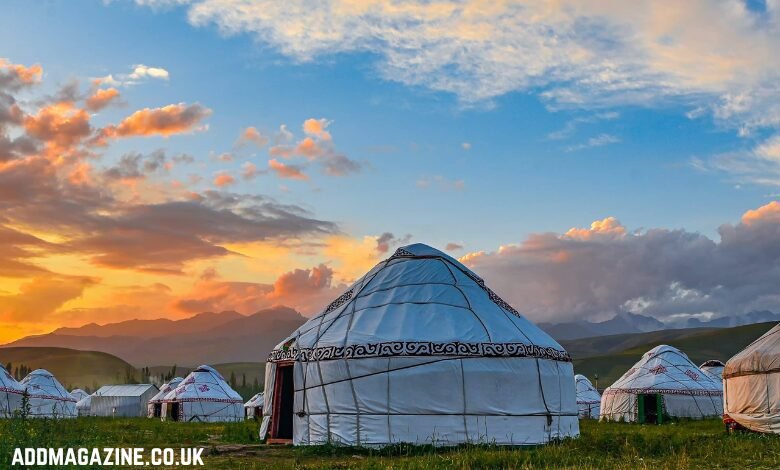
Accommodation ranges from budget hostels and guesthouses to mid‑range hotels and, in major cities, international hotel chains. Rural areas offer simpler guesthouses or yurts in Kyrgyzstan and Kazakhstan.
Booking platforms offer a wide range of choices, but in remote areas or during peak season, reserving in advance is wise. Local travel agencies often include accommodation in their packages, handling bookings that meet traveler preferences.
Central Asia Trip Highlights by Country
Kazakhstan
Kazakhstan is the most expansive country in Central Asia by landmass. Its landscapes stretch from steppe to mountains, and from lakes to urban centers.
Key attractions:
- Almaty: A former capital and cultural hub. The city sits near the Trans‑Ili Alatau mountains, making it a base for day trips into nature.
- Astana (Nur‑Sultan): The modern capital with ambitious architecture and wide boulevards.
- Charyn Canyon: A landscape similar to the American West, reachable by road from Almaty.
Kazakhstan is also home to significant space infrastructure at Baikonur Cosmodrome, though visiting requires special arrangements.
Kyrgyzstan
Kyrgyzstan is known for rugged mountains, alpine lakes, and nomadic culture. Its terrain is ideal for outdoor activities.
Key attractions:
- Bishkek: The capital with markets and Soviet-era landmarks.
- Ysyk‑Köl Lake: One of the world’s largest high‑altitude lakes. The region features beaches, hot springs, and small villages.
- Ala‑Too Range: Mountain passes and valleys for trekking and horseback riding.
Local travel agencies in Kyrgyzstan can arrange camping, trekking, yurt stays, and transportation in remote areas. Because Kyrgyzstan’s attractions are spread out and often outside major towns, guided services are helpful.
Uzbekistan
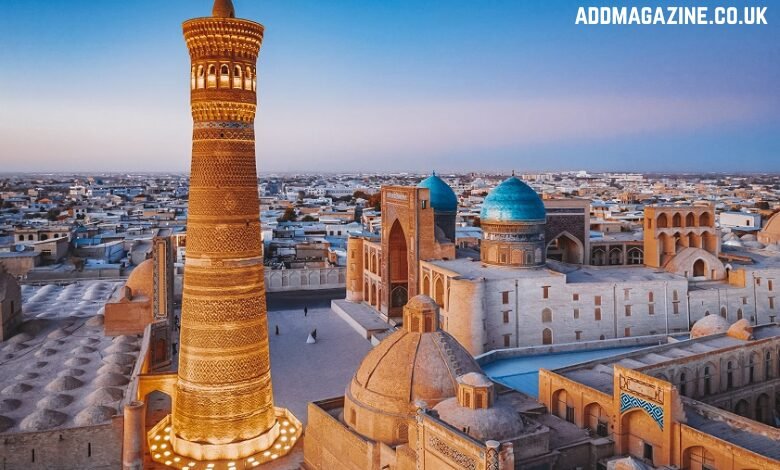
Uzbekistan is the heart of Silk Road history, with cities that served as hubs of trade, culture, and learning.
Key attractions:
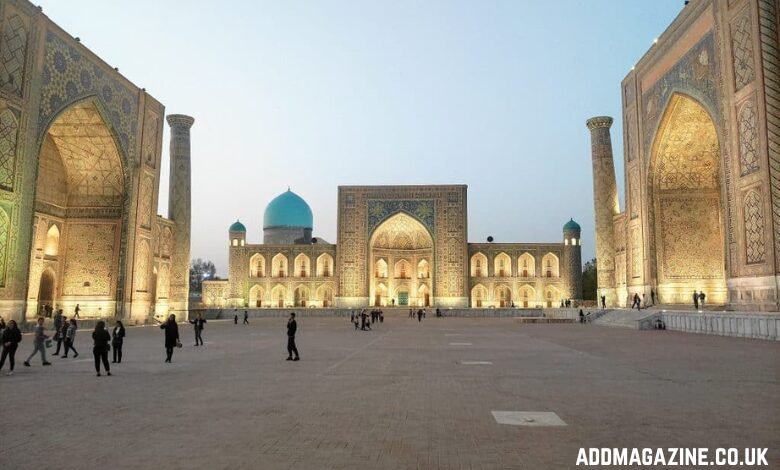
- Samarkand: Registan Square, mausoleums, and ancient madrassas.
- Bukhara: A compact old town with fortified walls, mosques, and markets.
- Khiva: A well‑preserved walled city with narrow streets and historic architecture.
These cities are rich in architectural heritage that dates back centuries. Sightseeing runs at a relaxed pace, but from one site to another within the cities, transportation is readily available.
Tajikistan
Tajikistan is defined by its dramatic mountains, especially the Pamir range. This part of a
Central Asia trip appeals to those seeking high‑altitude landscapes.
Key attractions:
- Dushanbe: The capital with museums and cultural centers.
- Pamir Highway: One of the world’s highest international roadways, crossing remote terrain.
- Iskanderkul Lake: A scenic mountain lake accessible by road from Dushanbe.
Because many roads are in areas with limited services, travelers often use guides or join organized tours. The GBAO permit is mandatory for the Pamirs and must be applied for in advance or through an agency.
Turkmenistan
Turkmenistan is less visited but notable for its deserts and unusual modern architecture.
Key attractions:
- Ashgabat: The capital with wide avenues and monumental buildings.
- Darvaza Gas Crater: A large burning natural gas field known as the “Door to Hell.”
- Merv: Ancient ruins from one of the Silk Road’s great oases.
Visits to Turkmenistan often require pre‑approved visas and may include guided circuits arranged by travel agencies due to the country’s policy environment.
Choosing a Travel Agency for a Central Asia Trip
Travel agencies play different roles depending on how independent or structured you want your trip to be.
What Agencies Do
A travel agency helps with:
- Visa support and permit applications
- Internal transportation bookings (vehicles, drivers, trains)
- Accommodation reservations
- Local guides and interpreters
- Tour itineraries tailored to interests (culture, history, trekking)
- Logistical support in remote areas
An agency based in Central Asia, such as a Kyrgyzstan travel agency when focusing on Kyrgyzstan or a multi‑country operator, brings local knowledge. This includes road conditions, seasonal factors, and on‑ground adjustments that are difficult to manage from abroad.
When an Agency Is Most Useful
- First‑time visitors to the region
- Complex multi‑country itineraries
- Travel involving mountains or remote areas
- Trips requiring permits (e.g., Pamir region in Tajikistan)
- Language differences may arise, with Russian and local languages being the most commonly spoken across the region.
Agencies vary in size and specialization. Some agencies specialize in adventure tourism, others in cultural exploration, while some offer a combination of both. Reading reviews and asking for sample itineraries helps ensure the agency’s style matches your expectations.
Costs and Budgeting a Central Asia Trip
Travel costs in Central Asia are generally lower than in Western Europe or North America, but they vary by country and travel style.
Typical Expenses
- Accommodation: Budget guesthouses to mid‑range hotels are affordable; luxury options are less common outside major cities.
- Food: Local food is inexpensive. In cities, international cuisine is available at higher prices.
- Transport: Shared taxis and buses are cheap; private transfers cost more. Trains are affordable and comfortable on many routes.
- Guides/Tours: Organized tours add to the budget but reduce stress and planning time.
Budget to mid‑range travelers should plan for a mix of independent and guided segments. Remote areas, national park fees, and permits may incur additional costs.
Cultural Considerations and Local Etiquette
Central Asia’s population is diverse, with traditions rooted in Islam, Soviet history, and nomadic heritage.
Language
Russian serves as a lingua franca in many places, especially outside big cities. Local languages include Kazakh, Kyrgyz, Uzbek, Tajik, and Turkmen. While English is commonly understood in tourist destinations, it’s less frequently spoken in more remote areas.
Respect and Behavior
- Wear respectful and modest clothing, especially when visiting rural regions or religious sites.
- Ask before photographing people, especially in conservative regions.
- Learn simple greetings in local languages—it fosters goodwill.
Respectful interaction enriches the travel experience and often leads to more authentic encounters.
Health and Safety
Healthcare infrastructure varies. Pack crucial medications, water purification tablets, sunscreen, and a basic first-aid kit to ensure you’re prepared for any situation. In remote areas, emergency services may be slow or limited. Travel insurance that covers evacuation and medical needs is recommended.
Sample Itinerary (30 Days)
This sample itinerary gives an example of how a Central Asia trip can be structured:
- Day 1–3: Arrival and city tour in Almaty, Kazakhstan.
- Day 4–6: Transfer to Charyn Canyon; return to Almaty.
- Day 7–10: Travel to Bishkek, Kyrgyzstan. Explore city and markets.
- Day 11–14: Ysyk‑Köl Lake; overnight in guesthouses, local activities.
- Day 15–18: Border into Uzbekistan; Samarkand sightseeing.
- Day 19–22: Bukhara and Khiva exploration.
- Day 23–26: Fly to Dushanbe, Tajikistan; proceed to Pamirs (with guide).
- Day 27–30: Return to Dushanbe; optional internal segments or departure.
This itinerary mixes city culture, nature, and long‑distance travel. Adjust based on interests and time.
Final Considerations
Traveling Central Asia requires preparation, flexibility, and an understanding that infrastructure and services differ from those in many Western countries. When planned well, the trip offers deep rewards: landscapes shaped over millennia, cities that tell the story of global commerce and empire, and cultures that bridge past and present.
A Central Asia trip is not just about places visited; it is about navigating transitions—between high mountains and desert plains, between old ways and new developments, and between languages and traditions. With thoughtful planning, clear logistics, and a willingness to adapt, this region reveals layers of experience that few other destinations can match.