In the retail landscape of 2026, the boundary between the tangible and the virtual has almost entirely dissolved. We have entered the age of “Phygital” retail—a seamless fusion where physical products serve as keys to digital kingdoms. For the digitally native Gen Alpha and the tech-forward gaming community, a toy is no longer just an object to be placed on a shelf; it is a
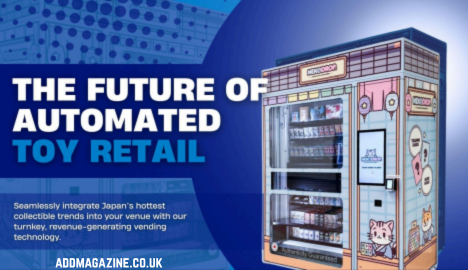
multi-dimensional asset that exists simultaneously in the real world and the metaverse. Progressive entrepreneurs are capturing this shift by deploying NekoDrop vending machines that act as physical portals to digital rewards. These automated units are uniquely positioned to deliver the high-velocity, “blind-box” excitement that modern collectors crave while providing the instant digital gratification that defines 2026’s consumer expectations.
As gaming platforms like Roblox and Fortnite evolve into persistent social hubs, the demand for “Hybrid Assets”—physical collectibles linked to digital exclusives—has reached an all-time high.
The Rise of the Hybrid Asset
The “Phygital” movement is driven by the realization that Gen Alpha doesn’t separate their physical play from their digital identity. In 2026, a “Hybrid Asset” is a collectible that carries a unique digital fingerprint, often in the form of an NFT-linked chip or a one-time-use digital code hidden inside the packaging.
When a gamer pulls a limited-edition figure from a vending machine, they aren’t just getting a high-quality vinyl toy. They are unlocking a “digital twin” that their avatar can wear in a metaverse environment, or a secret character skin in a popular mobile game. This dual-value
proposition creates a powerful incentive for purchase. The physical toy provides the tactile satisfaction and “shelf appeal” that collectors love, while the digital reward offers “social currency” in the virtual spaces where these demographics spend the majority of their social time.
NekoDrop: The Physical Bridge to the Metaverse
The metaverse is often criticized for being too abstract, but NekoDrop units provide the “Last Mile” physical infrastructure needed to make the digital world feel real. These machines transform the digital “drop” culture into a physical event.
By stocking machines with NFT-linked physical toys, owners are participating in a blockchain-authenticated ecosystem. Each purchase can be verified on-chain, reducing the risk of fraud in the secondary market and ensuring that the “Rare” or “Secret” pulls maintain their value across both physical and digital platforms. For tech investors, this represents a sophisticated new retail model where the machine is not just a vendor, but a distribution point for secure, high-value digital assets.
Bridging the “Unboxing” Gap
The unboxing experience remains a cornerstone of content creation in 2026. However, the stakes have been raised. A simple “reveal” of a toy is no longer enough to go viral. The modern “reveal” involves the physical unboxing followed immediately by the digital activation.
Imagine a user filming themselves at a NekoDrop unit. They pull a mystery capsule, open it to find a “Cyber-Cat” figure, and then scan a QR code on the base of the toy. Instantly, their phone screen lights up with an AR (Augmented Reality) animation of the character, and a notification confirms that the “Cyber-Cat” skin has been added to their gaming account. This “double-reveal” is high-octane content that drives massive organic reach on social media. The machine provides the physical stage for a digital story, making the brand part of the customer’s personal narrative.
The Gamification of Vending
In 2026, the act of buying has become a game in itself. Digital-first marketing strategies now focus on “edutainment” and “play-to-buy” models. NekoDrop machines lean into this by gamifying the transaction.
Many units now feature interactive touchscreens that allow users to “level up” their loyalty profiles with every purchase. Some series include digital codes that, when collected in sets, unlock even higher-tier physical rewards or exclusive access to digital-only events. This creates a “loop” of engagement:
● Physical Action: Buy a collectible from the machine.
● Digital Reward: Unlock a code for an in-game item or NFT.
● Community Interaction: Share the digital win in the metaverse or on social media. ● Return: Come back to the machine to complete the set or find the next rare “drop.”
Gen Alpha: The Most Commercially Confident Generation
Generation Alpha is the most entrepreneurial and commercially confident demographic in history. They understand the value of digital assets as much as physical ones. For them, a NekoDrop unit is a “loot box” in real life.
Because 86% of this generation earns their own money and 97% make independent purchase decisions, they are looking for brands that speak their language. They value authenticity and “phygital” utility. A brand that offers a purely physical toy without a digital component feels “disconnected” to a Gen Alpha shopper. By providing the bridge to the metaverse, NekoDrop owners are aligning themselves with the core values of the most powerful consumer group of the next decade.
Scarcity in Two Worlds
The resale market for “Phygital” items is exceptionally lucrative because the scarcity exists in two dimensions. If a physical figure is limited to 500 units, the corresponding digital skin is also limited to 500 units.
This creates a “blue-chip” collectible status. On secondary market platforms like StockX or eBay, the value of a hybrid item is often determined by the status of the digital code. If the code is “unredeemed,” the physical item can command a 10x premium. This drives “quant”
entrepreneurs and resellers to clear out machines in search of pristine, unredeemed hybrid assets. The machine owner benefits from high-volume, high-frequency sales, while the collectors and resellers benefit from the appreciation of a dual-platform asset.
Operational Agility: Updating the Digital Drop
One of the most significant advantages of this model is the ability to update the “digital” half of the product in real-time. While the physical toys are in the machine, the developers of the linked game can launch new digital events or limited-time challenges.
The machine’s integrated digital screen can display live updates about these events, creating a sense of urgency.
Final Thoughts
We are witnessing a fundamental shift in the definition of retail. The “New Era of Phygital” is not a futuristic concept; it is the current reality of 2026. By bridging the gap between physical collecting and digital metaverse presence, automated retail units are solving the “engagement” puzzle for the next generation.
For gamers, tech investors, and Gen Alpha, the NekoDrop model offers a frictionless, high-tech, and emotionally rewarding experience. It respects the physical heritage of collecting while embracing the infinite possibilities of the digital world. In 2026, the most successful retailers aren’t just selling “things”—they are selling keys to a larger, connected universe. It is time to step through the portal and embrace the phygital future.