Owning a rental property in Toronto is mostly a long game. The big returns come from appreciation over years, not from anything you do in any particular month, note Yourway Properties experts. But there’s a meaningful gap between landlords who maintain their properties well and landlords who don’t — and that gap shows up in two places that matter: monthly rent and tenant turnover. Both of those compound over time. A unit that rents for $200 more per month and stays occupied an extra month each year is genuinely a different financial outcome than one that doesn’t.
What’s interesting is that most of the upgrades that move the needle aren’t expensive. They’re small, practical repairs that make a unit feel cared-for rather than tired. The kind of work that takes a few hours with the right person, costs a few hundred dollars, and changes how the place shows. Most landlords either do this themselves between tenants or hire a professional handyman Toronto tenants and prospective renters can rely on. Either way, knowing which repairs actually matter is what separates a productive turnover from an expensive one.
Caulking and Grout: The First Thing Tenants Notice
Discoloured caulking and dark grout lines are one of those details that immediately make a bathroom or kitchen feel old, even when everything else is fine. Most prospective tenants don’t consciously register it during a viewing — but they walk out with a vague sense that the place isn’t quite clean, even after a deep cleaning.
Re-caulking around tubs, showers, and counters takes about an hour for a typical unit and costs almost nothing in materials. Re-grouting tiles or applying a grout colourant takes a bit longer but produces dramatic visual results. Combined, these two jobs are probably the single highest-impact maintenance task per dollar spent. A bathroom with fresh caulk and clean grout looks newly renovated even if nothing else has changed.
Hardware Updates in the Kitchen
The kitchen is the room that most heavily influences perceived rental value, and you don’t need to renovate it to make a meaningful difference. Replacing dated cabinet handles and pulls with something modern, swapping out a builder-grade faucet for a brushed nickel or matte black one, and tightening every loose hinge transforms how the kitchen reads in photos and in person.
The total cost is usually under $300 in materials. The labour is straightforward but tedious — a single visit knocks all of it out at once. The before-and-after photos are striking enough that most landlords who do this once start doing it on every turnover.
Light Fixtures Are an Underrated Upgrade
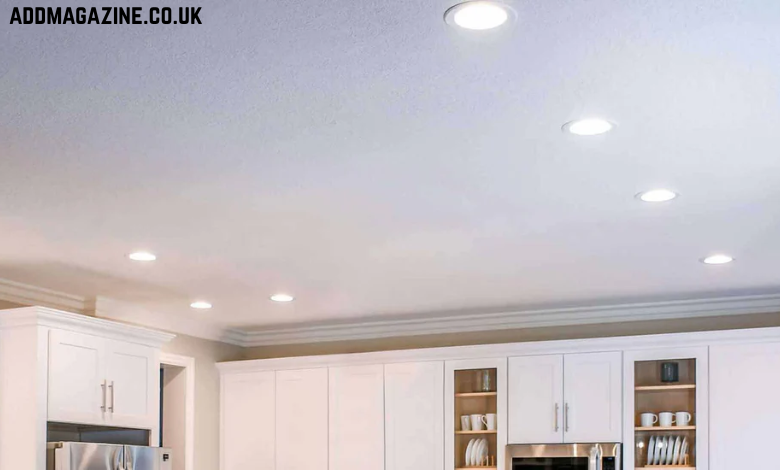
The flush-mount ceiling fixtures that come standard in most rental units are functional and forgettable. Replacing them with something more interesting — even modestly priced semi-flush mounts, pendants, or globe fixtures — changes the entire feel of a room. The cost per fixture is usually $50 to $150, and the installation takes maybe 20 minutes per room.
The dining area, kitchen, and main living space are the highest-priority spaces for this. Bedrooms can be left as-is in most cases, since tenants often replace them anyway. Bathroom fixtures are also worth updating because they’re highly visible and the original ones tend to look dated quickly.
Doors and Hardware
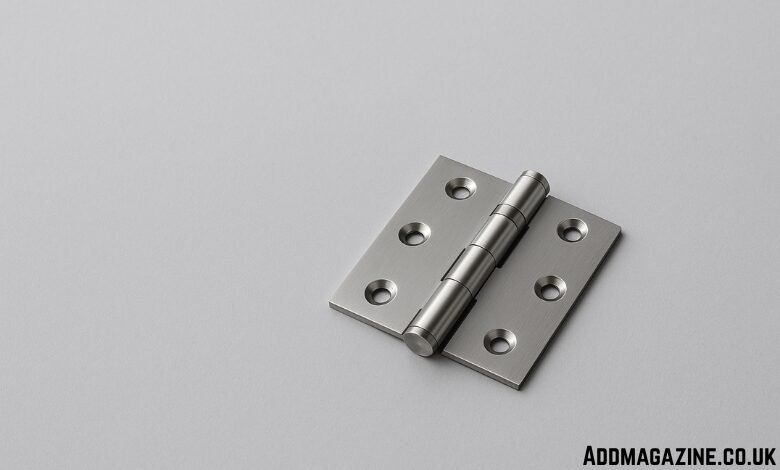
Sticking doors, broken latches, loose hinges, and missing or cheap-looking doorknobs are constant small irritations that tenants notice every day even if they don’t complain. Tightening every hinge, replacing any worn or broken hardware, and making sure every door in the unit closes and latches properly removes a layer of low-grade frustration that chips away at how a tenant feels about the place over time.
Closet doors deserve special attention. Sliding closet doors that come off their tracks, bifold doors that don’t fold properly, and standard hinged doors that rub against the frame are some of the most common rental complaints. None of them are difficult to fix, but they tend to get ignored because nothing is technically broken.
Touch-Up Painting and Wall Repairs
Most landlords do a full repaint between tenants, which is fine but expensive. For mid-tenancy refreshes or smaller turnovers, targeted touch-ups can produce the same visual effect at a fraction of the cost.
The key targets are: high-traffic walls in hallways and entryways, corners where furniture has scuffed the paint, holes left by previous tenants’ picture hooks and TV mounts, and the area behind doors where doorknobs have hit the wall. Patching, sanding, and touching up these specific areas takes a couple of hours and makes the unit feel meaningfully cleaner without the cost or downtime of a full repaint.
Bathroom Fixtures
Towel bars, toilet paper holders, and showerheads are some of the cheapest visible upgrades available. Replacing them with anything from the modern hardware section of any home store — brushed nickel, matte black, or even just newer chrome — instantly modernizes the bathroom.
For under $150 in fixtures plus an hour of labour, you can essentially redo the bathroom hardware in a single visit. It’s one of those upgrades where the cost is small but the perceived improvement is significant — exactly the kind of work that translates into either higher rent or faster tenant placement.
Floor Transitions and Trim
This is one of the more overlooked categories. The thin metal strips between rooms (between hardwood and tile, for example) often come loose over time. Baseboards and door trim get scuffed, dented, and separated at the corners. Quarter-round near the floor sometimes pops away from the wall.
None of this is dramatic, but the cumulative effect makes a unit look worn even if everything else is in good shape. Reattaching trim, filling gaps with caulk, and touching up paint on baseboards is usually a single morning of work and produces a noticeable difference in how the unit photographs and shows.
Closet Organization Improvements
Standard rental closets are almost universally bad. A single rod, a single shelf, and a lot of wasted vertical space. Adding a second hanging rod at half-height, putting in proper shelving, or installing a basic closet system turns the closet from a frustrating cube into something that actually works.
The cost is usually under $200 for materials and another $200 for labour per closet. For a master bedroom closet in a rental unit, this is one of the highest-leverage improvements available — tenants notice it immediately during a viewing and remember it after touring multiple units.
Outdoor and Balcony Touches
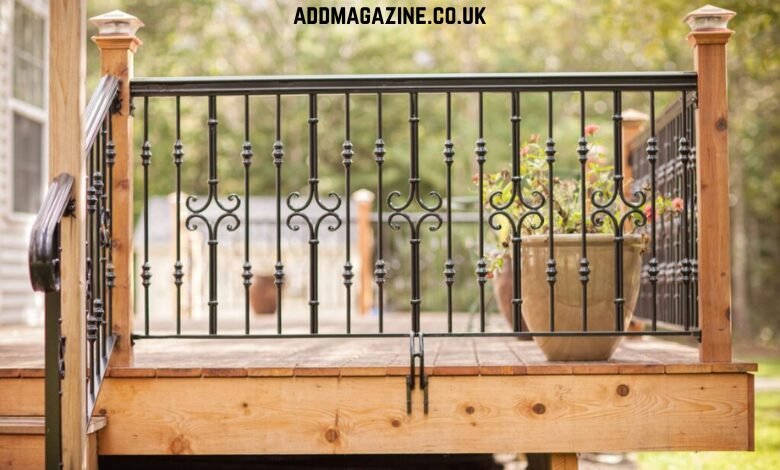
If the unit has a balcony, terrace, or patio, this becomes more important than most landlords realize. In Toronto’s competitive rental market, outdoor space is often what closes a deal between two otherwise similar units. A clean, presentable balcony — peeling paint touched up, the railing reattached if it’s loose, the floor cleaned or resurfaced if it’s stained concrete — adds real perceived value.
For ground-floor units with private patios, simple landscaping touches and a coat of stain on any wood elements pay back disproportionately. None of this is expensive, but the cumulative effect on how the listing photographs is substantial.
Bundling It All Into One Turnover Visit
Most of these jobs are small individually but combine well. A typical rental turnover for a one-bedroom condo or apartment might include: re-caulking the bathroom, replacing kitchen hardware, swapping two light fixtures, repairing three doors, patching wall holes from the previous tenant, replacing the bathroom towel bar and showerhead, and touching up paint in the hallway. That’s eight separate jobs that fit comfortably into a single half-day visit with a competent handyman.
The total cost is usually $400 to $700 in labour plus $200 to $400 in materials. The unit comes back online looking significantly fresher, photographs better, shows better, and rents faster. For most Toronto landlords this kind of turnover work pays back within the first month of new tenancy.
The Short Version
The fastest way to add value to a Toronto rental isn’t a renovation. It’s a focused list of small repairs and updates that collectively make a unit feel maintained rather than tired. Caulking, hardware, fixtures, doors, paint touch-ups, and trim repairs all sit in the sweet spot of low cost and high visual impact. Done together during a single turnover, these jobs cost less than a month of vacancy and consistently produce either higher rent, faster placement, or both.
The landlords who treat turnovers as a structured maintenance event rather than a quick clean-and-list almost always come out ahead in the Toronto market. The math works out, and the units stay competitive year after year.