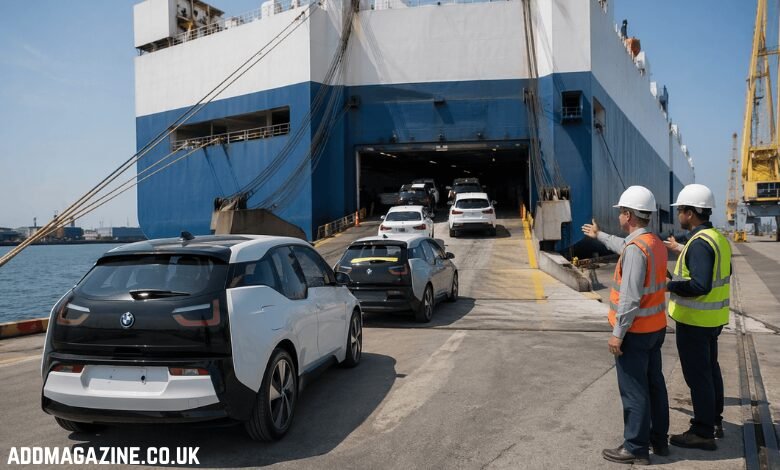
If you’ve been looking for the easiest method to transport a car, van, or 4×4 internationally from the UK, you’ve probably encountered the term roll on roll off shipping. It sounds technical at first, but the process is actually one of the simplest and most cost-effective methods available for international vehicle transport. Whether you’re relocating abroad, exporting a vehicle to family, or sending commercial fleet vehicles to another country, understanding how RoRo shipping works can save you a significant amount of time, money, and stress.
Everything you need to know in this guide — from what RoRo actually means to which documents you’ll need, what it costs, and how to choose the right company for the job.
What Is Roll On Roll Off Shipping?
Roll on roll off shipping is a method of transporting wheeled vehicles using specially designed vessels. Instead of being lifted into containers by cranes, vehicles are simply driven onto the ship at the departure port and driven off again at the destination port.
RoRo vessels are specifically designed for this type of cargo. They feature multiple internal decks, ramps, and secure fastening systems that hold vehicles in place throughout the voyage. Cars, vans, trucks, motorhomes, buses, and even heavy plant machinery can all be transported this way, making ro ro shipping one of the most versatile options available for international vehicle export from the UK.
With container shipping, your vehicle is loaded into a steel box, which is then lifted onto the ship using cranes. RoRo is generally faster to process, requires less handling, and tends to be more affordable particularly for standard cars and vans.
How Does RoRo Shipping Work? A Step-by-Step Overview
Understanding the roro shipping process is easier than most people expect. Here’s what typically happens when you ship a vehicle overseas via RoRo from the UK:
Step 1 — Get a Quote
The first step is contacting a reputable RoRo shipping company in the UK and providing details about your vehicle, your destination, and your preferred departure port.
Step 2 — Book Your Shipment
Once you’re happy with the quote, you confirm the booking and receive a schedule. RoRo sailings from UK ports such as Southampton, Tilbury, Liverpool, and Sheerness operate regularly — often weekly or fortnightly depending on the destination.
Step 3 — Prepare Your Vehicle
Before drop-off, your vehicle must be cleaned, have the fuel tank reduced to roughly a quarter full, and be completely free of personal belongings. This is a standard safety and customs requirement across most destinations. Your vehicle should also be in running condition for standard RoRo if it’s non-running, speak to your shipping agent about whether alternatives are available.
Step 4 — Deliver to Port
You drive or arrange transport for your vehicle to the designated UK port. Many UK-based RoRo shipping companies also offer a collection service, picking up your vehicle from your home or business address.
Step 5 — Documentation and Customs Clearance
You’ll need your V5C logbook, a bill of lading, a purchase invoice, proof of identity, and an export certificate where required. Your shipping agent should handle the customs clearance and export paperwork on your behalf. If they don’t, that’s a red flag worth noting.
Step 6 — Loading and Transit
Your vehicle is driven onto the RoRo vessel, secured with straps and chocks inside the enclosed car deck, and the ship departs. Transit times vary by destination; shipping to West Africa typically takes two to four weeks, while destinations in Europe or the Mediterranean are often shorter.
Step 7 — Collection at Destination Port
Once the vessel arrives, your vehicle is driven off and held at the destination port for collection. Some agents can arrange onward delivery from the port as well.
RoRo Shipping Costs from the UK — What Affects the Price?
One of the most common questions people ask is: how much does RoRo shipping cost from the UK? The honest answer is that it depends on several factors, and any company quoting a one-size-fits-all price without asking questions should be treated with caution.
The key factors that influence RoRo shipping rates from the UK include:
Destination — RoRo shipping from the UK to Nigeria or Ghana typically costs more than shipping to Cyprus or Malta, simply because of the distance and port handling fees involved.
Departure port — Rates from Southampton, Tilbury, or Liverpool can differ slightly depending on available vessel schedules and port charges.
Seasonal demand — Prices can fluctuate during peak periods, particularly around summer and before major holidays in destination countries.
RoRo Shipping vs. Container Shipping – Which Option Suits Your Needs Best?
Many vehicle owners compare RoRo shipping with container shipping before making a decision.
Both methods are reliable, but they suit different situations.
RoRo Shipping Advantages
- Usually more affordable
- Faster loading process
- Frequent sailing schedules
- Ideal for standard running vehicles
- Lower handling requirements
Container Shipping Advantages
- Extra physical protection
- Suitable for high-value vehicles
- Better option for non-running vehicles in some cases
For most everyday vehicle exports from the UK, RoRo shipping is often the more practical and cost-effective option.
Major UK Ports for RoRo Shipping
The UK has several major ports that handle RoRo vehicle exports on a regular basis. The most active include:
Southampton
Southampton is one of the UK’s busiest RoRo ports and offers regular sailings to Africa, the Middle East, Europe, and other global destinations.
Tilbury
Located near London, Tilbury is a key export hub for vehicles heading to Europe, Africa, and international markets.
Liverpool
Liverpool provides strong international shipping connections and is a practical choice for customers in the Midlands and Northern England.
Sheerness
Sheerness is well established for vehicle handling and supports various European and overseas shipping routes.
Can You Ship an Electric Vehicle via RoRo?
Yes, electric vehicles can usually be shipped through RoRo services.
However, shipping lines often require EV battery charge levels to remain within a specific range, commonly between 20% and 30%, for safety reasons during transit. Some ports and carriers also have additional restrictions depending on battery size and vehicle type.
It is always important to confirm electric vehicle requirements before booking.
Documents Required for RoRo Shipping from the UK
Accurate paperwork is essential for avoiding customs delays.
Required documents commonly include:
- V5C vehicle registration document
- Bill of lading
- Passport or photo identification
- Proof of ownership or purchase invoice
- Export documentation where required
A reliable shipping company should assist with customs procedures and explain all destination-specific requirements clearly.
Why Ascope Shipping Is a Trusted Name in RoRo Shipping from the UK
Selecting the right shipping company can make a significant difference to the overall experience.
When comparing providers, look for:
- Transparent pricing
- Experience with international vehicle shipping
- Support with customs paperwork
- Strong customer communication
- Access to multiple UK ports
- Clear shipping schedules
A professional company should explain the process clearly, answer questions honestly, and provide realistic delivery expectations.
The Right Vehicle Shipping Solution
Roll on roll off shipping remains the most practical and widely used method for exporting vehicles from the UK overseas. It’s simple, well-established, affordable, and reliable when you’re working with the right company.
Whether you’re shipping a single car overseas or arranging transport for multiple commercial vehicles, RoRo shipping offers a practical and reliable solution for international vehicle export from the UK.
Ready to ship your vehicle? Get a free, no-obligation quote from Ascope Shipping — one of the UK’s most trusted RoRo vehicle transport specialists. Call 01482 228366 or visit ascopeshipping.co.uk today.