Fricase boliviano is more than just a dish; it is an embodiment of Bolivian culture and family traditions. For anyone searching for the “best fricase boliviano near me,” the search is often fueled by the desire to experience something authentic, comforting, and full of flavor. This traditional Bolivian stew offers a rich broth, tender pork, and a variety of textures that come together to create a truly special meal. In this guide, we’ll explore what makes fricase boliviano so unique and how you can identify the best places to enjoy it.
What Makes Fricase Boliviano Special?
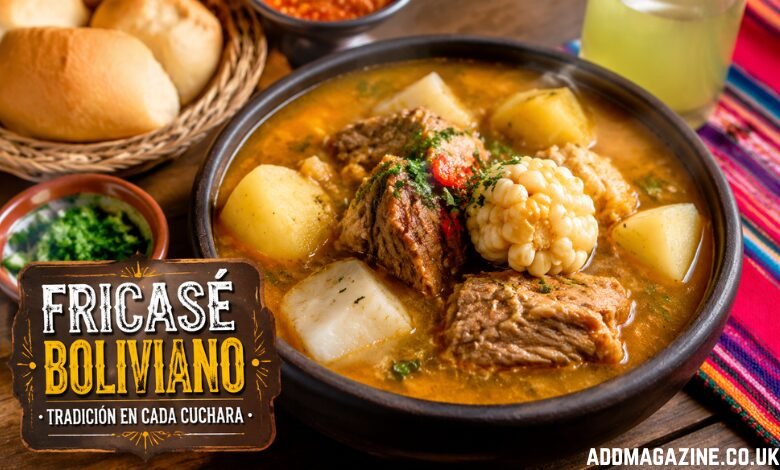
Fricase boliviano is a savory stew that has its roots deeply embedded in Bolivian culture. It typically consists of slow-cooked pork, chuño (freeze-dried potatoes), corn, onions, garlic, and spices like cumin and ají amarillo (yellow chili), which lend the dish its characteristic flavor and color. The ingredients are simple, yet when combined and cooked properly, they create a dish with deep, complex flavors that showcase the heart of Bolivian home cooking.
The beauty of fricase lies in the balance of textures and flavors. The tender pork contrasts with the firm chuño, while the broth binds it all together with a subtle spice from the ají amarillo and the earthiness of cumin and garlic. The dish is traditionally served with hominy corn, boiled potatoes, and bread, creating a satisfying meal that offers both comfort and warmth.
Key Ingredients of Fricase Boliviano
Each ingredient in fricase plays a crucial role in the dish’s overall flavor profile. Let’s take a look at the key components:
- Pork: The main protein in fricase, pork is slow-cooked to tender perfection, allowing the flavors to develop deeply. The meat should be juicy, not dry, and should melt in your mouth.
- Chuño: This traditional Bolivian ingredient is made from freeze-dried potatoes and is crucial for adding texture to the dish. Chuño should maintain its shape while soaking up the broth, creating a unique contrast with the pork.
- Corn: Whether it’s whole kernels or hominy-style corn, corn adds body and balance to fricase. It should have a hearty, fresh flavor, not too sweet or processed.
- Ají Amarillo: This yellow chili provides both color and flavor. It imparts a mild heat that enhances the dish without overpowering the other ingredients.
- Onions and Garlic: These ingredients build the base of the dish, providing a savory depth to the broth. They should be fresh and flavorful, setting the tone for the entire dish.
- Cumin and Herbs: These spices add warmth and depth to the dish, enhancing the other flavors without becoming too overpowering.
- Potatoes: Boiled potatoes, often included as a side, add a comforting element to the dish. They should be soft but not falling apart, complementing the richness of the pork and the broth.
What to Look for in the Best Fricase Boliviano Near Me
When searching for the best fricase boliviano, there are a few key things to keep in mind to ensure you’re getting an authentic and well-prepared version of the dish.
- Authenticity: The best fricase comes from a kitchen that specializes in Bolivian food. Look for menus that feature traditional Bolivian dishes, such as fricase, salteñas, or silpancho. A menu focused on Bolivian cuisine often indicates that the restaurant takes pride in its authenticity.
- Fresh Ingredients: Fricase is all about the ingredients. Ensure that the pork is tender and slow-cooked, and the chuño should retain its shape and texture. The corn should taste fresh, and the spices should be well-balanced. Avoid places that use pre-packaged or frozen ingredients, as they often lack the depth of flavor that makes fricase special.
- Broth Consistency: The broth of fricase should be thick and hearty, coating the back of a spoon. A good fricase is not watery or thin. If the broth is too runny, it’s a sign that the dish has not been prepared with care.
- Temperature: Fricase should be served hot. It’s a dish that loses its appeal when it’s served lukewarm or reheated. Look for places that serve the dish fresh and hot, right after it’s cooked.
- Traditional Accompaniments: A traditional fricase is served with sides like hominy corn, boiled potatoes, and fresh bread. Some places may offer rice, but bread is the more traditional option.
Signs of a Good Fricase
Now that you know what makes fricase boliviano so special, how can you spot the best version when you’re out looking for it? Here are a few signs of a great fricase:
- Real Cooking: A good fricase will have the telltale signs of slow cooking. The pork should be tender, not rushed, and the broth should have a deep, savory flavor that comes from hours of slow simmering.
- Correct Chuño Texture: Chuño should be firm yet tender, soaking up the broth while maintaining its shape. If the chuño is mushy, it may indicate that it was overcooked or prepared incorrectly.
- Rich, Flavorful Broth: The broth should not be too thin. It should be thick enough to coat your spoon and should have a balance of savory, spicy, and earthy flavors.
- Fresh, Not Overly Processed Ingredients: Look for a restaurant that uses fresh, high-quality ingredients. The pork should taste rich, not dry; the corn should be hearty, not overly sweet; and the ají amarillo should add a subtle, warm spice.
- Simple but Focused Menu: A place that specializes in Bolivian food is likely to have a simple menu with a few well-executed dishes, including fricase. Avoid places with overly complicated menus that try to serve too many different types of cuisine.
How to Order Fricase
If you’re lucky enough to find a great place that serves authentic fricase, here’s how to order it to get the best experience:
- Ask for the Traditional Version: If the menu offers different variations of fricase, ask for the traditional version. This will give you the closest, most authentic experience.
- Check the Spice Level: If you’re sensitive to heat, make sure to ask about the spice level. Fricase is typically mild, but some places might make it spicier.
- Order Bread: Bread is a traditional accompaniment to fricase. If the restaurant offers it, go for the bread instead of rice for a more authentic experience.
- Pair with Dessert: If you’re in the mood for something sweet after your savory fricase, try a traditional Bolivian dessert like arroz con leche (rice pudding), which complements the richness of the stew.
Conclusion
Finding the best fricase boliviano near me is about more than just proximity—it’s about identifying a place that respects the authenticity of the dish. Look for places that focus on fresh ingredients, slow cooking, and traditional recipes. When you find a restaurant that prepares fricase with care, you’ll be treated to a comforting, flavorful dish that embodies the heart of Bolivian cuisine. So, the next time you search for fricase near you, keep these tips in mind, and you’ll be sure to enjoy a delicious, authentic Bolivian meal.