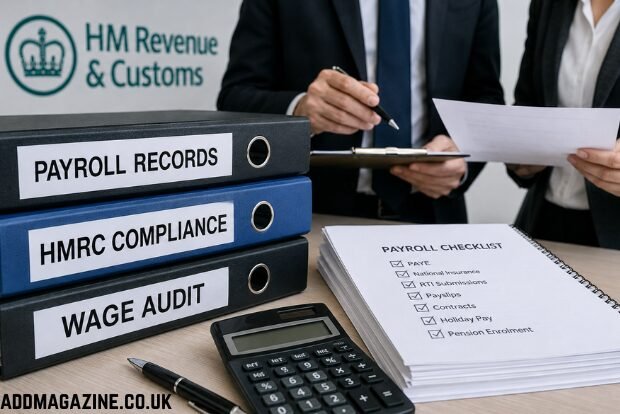
HMRC wage raid payroll checks involve official payroll inspections where authorities examine employee pay records, payroll processes, tax reporting, and deductions to verify compliance with payroll regulations. These inspections can happen with little warning and often place immediate pressure on employers because payroll compliance now requires much more than simply paying staff every month. Businesses are expected to maintain accurate records, report employee earnings properly, apply correct deductions, and ensure that workers receive lawful pay for every hour worked. Businesses may still encounter payroll compliance issues despite believing their systems are accurate if their records include unnoticed errors or incomplete details.
Why Payroll Inspections Are Increasing
Payroll investigations are becoming more frequent as digital reporting systems now allow authorities to track payroll activity and identify irregularities more efficiently. Each payroll report leaves behind data that can help authorities identify unusual payment activity, inaccurate deductions, recurring filing mistakes, or irregular pay arrangements. Frequent payroll amendments, irregular pay patterns, or delayed reporting can increase the chances of a business being flagged for closer review. Many businesses do not deliberately violate payroll regulations, but outdated systems, weak processes, and poor coordination between departments can gradually lead to major compliance issues.
Industries Facing Greater Payroll Risk
Industries such as hospitality, construction, retail, transport, warehousing, and cleaning frequently employ a mix of shift workers, contractors, apprentices, temporary staff, and part-time employees. These businesses regularly deal with overtime, changing schedules, holiday pay, and variable working hours, making payroll calculations more difficult to manage accurately. Businesses working in high-pressure industries may ignore minor payroll errors during busy operations, but unresolved mistakes can eventually grow into serious compliance issues.
What Authorities Usually Review
Authorities may review payroll records alongside employee working schedules to verify that staff were paid accurately for the hours they worked. They may also review overtime arrangements, deductions, holiday pay records, and tax submissions to ensure everything has been handled correctly. In some cases, employees may be interviewed directly about their daily working routines and payment arrangements. Authorities are mainly trying to determine whether the payroll records accurately reflect the way the business actually operates.
National Minimum Wage Compliance
Minimum wage compliance remains one of the most common reasons businesses face payroll investigations. Many employers believe they are meeting wage requirements because the payslip displays the correct hourly rate, but actual compliance can change once unpaid duties or payroll deductions are factored in. Employees may spend extra unpaid minutes preparing workstations, attending meetings, or completing training before shifts officially begin. During an inspection, employers should maintain a written record of the questions raised and the documents shared with inspectors. Businesses that fail to monitor these hidden payroll risks may unintentionally create minimum wage breaches without realising it.
Problems With PAYE Reporting
Errors such as wrong employee information, delayed payroll filings, duplicate entries, or incorrect deductions can lead to compliance issues that may later result in costly corrections. Employers are expected to submit payroll information accurately and within required deadlines. If payroll data is reported incorrectly, businesses may face additional tax liabilities, financial penalties, or interest charges. Repeated payroll mistakes may also damage trust in the company’s payroll controls and encourage deeper investigation into wider payroll procedures.
Worker Classification Issues
Worker classification disputes often create serious payroll complications for employers. Certain employers label workers as self-employed contractors despite their daily responsibilities and working conditions being similar to standard employees. Authorities may review whether workers follow company schedules, use business equipment, work under supervision, or depend mainly on one employer for income. If the practical relationship appears closer to employment than independent contracting, the business may face challenges regarding unpaid taxes, holiday pay, pension obligations, and National Insurance contributions. Correct worker classification is therefore extremely important for payroll compliance.
Employee Complaints and Payroll Disputes
Employee complaints can quickly develop into formal payroll investigations if concerns are not handled properly. Workers may raise issues about unpaid overtime, incorrect deductions, delayed wages, holiday pay, or inaccurate tax treatment. In some cases, one employee complaint is enough to trigger a broader examination of the company’s overall payroll processes. Employers sometimes underestimate the seriousness of payroll disputes and delay addressing employee concerns.
Common Payroll Mistakes Businesses Make
Many payroll compliance failures happen because of ordinary administrative mistakes rather than deliberate misconduct. Employers may forget to update minimum wage rates, apply incorrect tax codes, miscalculate overtime, delay payroll submissions, or fail to maintain proper records for deductions and holiday pay. Some businesses rely heavily on payroll software without checking whether the information entered into the system is accurate. Payroll software can automate calculations, but it still depends completely on correct employee data and proper oversight from payroll staff and management teams.
What Happens During an Inspection
When inspectors visit a workplace, employers should respond in a professional and well-prepared manner rather than becoming defensive or disorganised. Authorities will usually identify themselves, explain the purpose of the visit, and request specific records for review. Businesses should involve payroll managers, accountants, or HR staff who understand the company’s payroll systems properly. During an inspection, employers should maintain a written record of the questions raised and the documents shared with inspectors. If certain records are unavailable immediately, the business should explain the situation clearly and arrange to provide the information later rather than offering uncertain answers.
Financial Impact of Payroll Problems
Payroll compliance failures can create serious financial pressure for businesses. Employers may be required to repay underpaid wages, correct payroll records, settle unpaid tax liabilities, and pay additional penalties or interest charges. The costs involved can become especially difficult for smaller businesses with limited financial reserves. Beyond financial consequences, payroll investigations can also damage staff trust, disrupt business operations, and harm a company’s reputation. Businesses that depend heavily on public image or customer confidence may suffer long-term reputational damage if payroll failures become publicly known.
Importance of Payroll Audits
Consistent payroll audits can greatly help businesses minimise compliance risks and uncover payroll mistakes at an early stage. Businesses should regularly compare employee contracts, working hours, payslips, deductions, tax records, and payroll submissions to ensure all information matches correctly. Payroll reviews should include full-time staff, temporary workers, apprentices, contractors, and part-time employees because each category can create different payroll risks. Internal payroll audits allow employers to identify weak areas before authorities discover them during official inspections.
Why Accurate Records Matter
Proper record maintenance is extremely important during payroll inspections since compliance decisions are largely based on the documents provided by the business. Employers should maintain contracts, timesheets, payroll documents, tax information, pension records, and payment proof in a properly organised and secure system. Companies that cannot quickly present clear documentation during an inspection may struggle to support their payroll decisions, even if wages were generally paid correctly. Well-organised payroll records also help payroll teams, accountants, and management work more efficiently while minimising misunderstandings and reporting errors.
Role of Payroll Advisers and Accountants
Payroll advisers and accountants help businesses manage payroll responsibilities, reporting deadlines, and compliance risks more effectively. They can help businesses spot payroll risks, examine financial records, and advise employers on wage compliance and tax requirements. However, payroll professionals still depend on accurate information being supplied by employers. If managers fail to report employee hours correctly or delay important payroll updates, errors may still occur despite professional support. Strong communication between businesses and payroll advisers is necessary for maintaining reliable payroll systems.
Final Thoughts
HMRC wage raid payroll checks demonstrate why businesses must treat payroll compliance as an ongoing responsibility rather than a simple monthly routine. Employers are expected to maintain accurate payroll records, report employee earnings correctly, follow wage laws, and keep proper evidence for every payment and deduction. Many payroll compliance problems arise gradually because of unnoticed errors, weak internal controls, or inadequate oversight rather than intentional misconduct, but employers remain accountable for fixing them. Companies that maintain organised records, conduct regular payroll reviews, train staff properly, and respond quickly to payroll concerns are far more likely to avoid serious compliance problems during inspections.