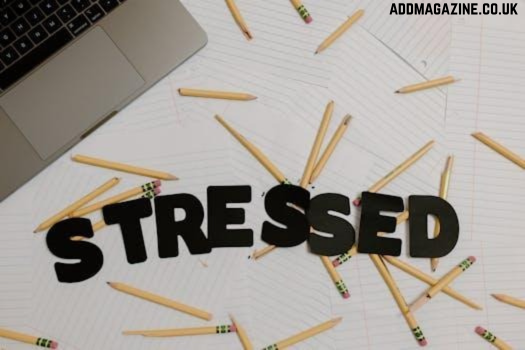
Stress enjoys speed. It thrives on chasing scattered impulses, darting between new cravings like a restless spark in a storm. Rest needs space. Buffer. A blank place without questions or proofs. Stress cannot be eliminated without ambition, love, deadlines, children, elderly parents, and the messy theatre of life. The goal is to connect spark and flame. That divide alters everything. Panic becomes a signal. Exhaustion becomes data. It transforms evening into something other than morning.
Name the Moment Before It Names You
The most useful skill in modern life sounds insultingly simple. Tight jaw. Shallow breath. Heat behind the eyes. Stress arrives in the body first because the body doesn’t waste time with excuses. The mind starts its speeches later. Label the sensation with plain language, not poetry, and not self-punishment. “This is pressure.” “This is fear.” That act creates distance. Some people chase fixes in supplements or niche biohacks, such as those from High N Supply for example, and the basic move stays the same. Catch the flicker. Name it. Names create handles.
Build a Ritual, Not a Rescue
Most attempts at rest fail because they treat it as an absence. Stress hits. A person collapses onto the sofa. The phone lights up. The brain keeps chewing on the same problem. Rescue rarely works. Ritual does. A ritual is a pattern of repeated actions that quietly begins long before the collapse happens. Tea is brewed the same way each evening. A short walk at the same time, even in drizzle. A shower followed by dimmer lamps, and one room was declared off-limits to work talk. The brain learns patterns faster than it learns lessons. Ritual trains the nervous system to expect a downshift. Expectation becomes space.
Stop Negotiating With the Phone
The phone functions like a pocket-sized slot machine, and it trains the mind to expect interruptions as the default state. Stress loves that. Rest can’t compete. A boundary that stays fuzzy breaks. Set a blunt rule. No phone in bed. No notifications after a chosen hour. No email on the low. Many insist their jobs depend on being reachable at every moment. Most don’t. Buy a cheap alarm clock. Put the device to sleep before the body tries. This isn’t moral purity. It’s engineering.
Let the Day End Twice
The day doesn’t end when work ends. An ending becomes real the moment your soul stops holding onto it. Many minds refuse. They replay conversations, rehearse tomorrow, and re-run mistakes like a grim highlight reel. Give the mind a closing ceremony. Write a short list called “tomorrow”, three items only, then stop. Shut the notebook. Close the laptop lid with intention. Add one sensory cue that signals completion. A particular playlist. A brief stretch routine that feels slightly ridiculous. Ridiculousness helps. The second ending opens a quiet doorway for deep rest to arrive.
Conclusion
Perfect stillness does not provide stress-rest space. Perfect peace only lives in brochures and productivity gurus’ dreams. Small, frequent acts interrupt the automatic tension-collapse slide, providing space. Mark the first quiet moments when unknown emotions begin taking control. Practise rituals to avoid desperation. Attention shapes the neurological system more than any slogan, so limit the phone’s influence. Because the psyche wants closure as much as the calendar, finish the day twice. Rest becomes a setting, not a reward. Stress lingers. Pause between answers.