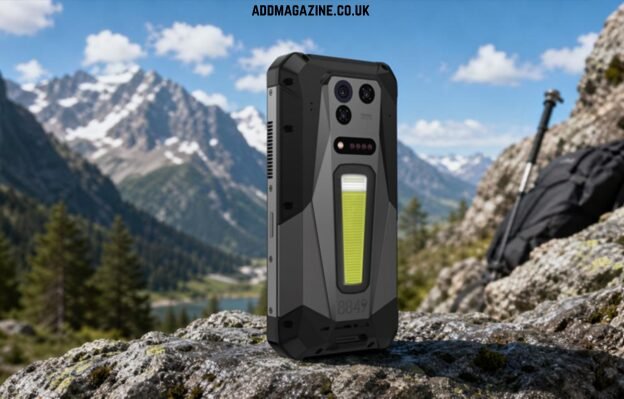
Regular smartphones fail in the field. One river crossing, one desert sandstorm, one hard drop on rock and your lifeline is dead. Travelers in remote areas need devices built for punishment. Rugged phones solve this problem with reinforced construction, sealed ports, and oversized batteries.
This guide covers the best rugged phones for travelers based on the features that matter most outside city limits. You will learn how to evaluate durability ratings, battery endurance, connectivity, and specialized tools. Every recommendation here focuses on practical field use — not spec-sheet bragging rights.
Whether you trek through jungles or cross continents by train, the right rugged device keeps you connected, navigated, and powered up.
Why Do the Best Rugged Phones for Travelers Outperform Flagships?
Standard flagships prioritize slim design and camera performance. Rugged devices prioritize survival.
A rugged phone is specifically engineered to withstand harsh environments and physical stress that would easily destroy a standard smartphone. The difference between a rugged phone and a regular phone is the outer build. The very best rugged smartphones have reinforced casings and IP ratings, which can ensure a device is protected from shocks, drops, falls, water, and dust.
Travelers face conditions that flagships cannot handle. River spray, trail dust, freezing nights at altitude, and accidental drops onto granite all destroy glass-backed phones. Most phones have a screen that will crack or smash when dropped on a rock. And many phones also have a glass back to enable wireless charging, making them even more fragile. A rugged device eliminates the need for bulky aftermarket cases and still fits in a cargo pocket.
Durability Ratings: Best Rugged Phones for Travelers Decoded
IP Ratings
IP ratings measure resistance to dust and water ingress. IP68 protection means the device can survive extended water immersion. IP69K indicates resistance to high-pressure water jets often found in industrial environments. For travelers, IP68 is the minimum standard. It handles rain, river splashes, and accidental submersion.
Look for IP69K if you kayak, fish, or work near heavy water exposure. Not every rugged phone carries both ratings. Check before you buy.
MIL-STD-810H
Many tough smartphones advertise MIL-STD-810H, the current version commonly referenced in 2026 models. This standard includes methods for shock, vibration, humidity, altitude, solar radiation, salt fog, temperature extremes, and more. However, this label requires caution. A phone does not have to pass every method to claim testing against the standard. A strong manufacturer will state which procedures were used. If a listing only says “military grade” without test details, treat it as a marketing phrase rather than proof of real durability.
Battery Life: The Feature That Matters Most Off-Grid
Battery endurance separates a useful travel device from a dead brick. This feature alone can justify choosing a rugged phone.
Battery life is one of the most critical factors when choosing a rugged smartphone for outdoor use. Navigation apps, emergency communication, photography, and location tracking all consume significant power. In remote environments where charging options are limited, battery reliability becomes essential.
Most durable devices now ship with batteries ranging from 6,000mAh to well over 15,000mAh. Many rugged phones include 5000mAh–10000mAh batteries, offering multiple days of use on a single charge. Some even exceed 20,000mAh for multi-week expeditions.
Some rugged smartphones now go a step further by offering removable battery systems. Instead of waiting hours for charging, users can simply replace the battery with a fully charged spare. This approach is particularly useful for field workers, hikers, and long-distance travelers who may not have access to power for extended periods. If your trips stretch beyond three days without power access, prioritize swappable batteries or extremely high-capacity cells.
Connectivity and SIM Compatibility for International Travel
A durable phone is useless abroad if it cannot connect to local networks. This step trips up many first-time rugged phone buyers.
Before purchasing, verify that the device supports the frequency bands used in your destination countries. Dual-SIM or eSIM support lets you swap carriers without unlocking hassles. Travelers often need to jump between wireless providers when visiting other countries. For that reason, they choose rugged phones with GSM technology. They can simply switch out the SIM card at any time.
Some models now support dual 5G SIMs with broadband compatibility. This matters for global travelers who cross multiple regions in a single trip. Always cross-reference band support with your planned destinations before committing to a device.
What Specialized Tools Should Best Rugged Phones for Travelers Include?
The right extras transform a phone into a multi-purpose field tool. Not every traveler needs every feature. Match the tool to your trip type.
Here are the specialized features worth evaluating:
- Built-in projector — useful for group navigation briefings, campsite entertainment, or field presentations. A device like the 8849 Tank 5 offers a built-in projector with enough brightness for outdoor use.
- Night-vision camera — valuable for wildlife watching, cave exploration, and low-light camp tasks.
- Thermal imaging sensor — helpful for spotting heat signatures, checking insulation, or locating wildlife at night.
- High-lumen flashlight — replaces a separate headlamp or lantern on short trips.
- Programmable side buttons — allow one-press access to SOS, push-to-talk, or camera in emergencies.
Modern rugged smartphones often function as multi-purpose outdoor tools. Beyond communication and navigation, some devices include sensors and utilities that are particularly useful in wilderness environments. Skip the extras you will not use. Each added feature increases weight and cost.
How to Prepare Your Rugged Phone Before a Trip
Preparation prevents field failures. Complete these steps before departure.
- Update the operating system and all apps to the latest versions.
- Download offline maps for every region on your itinerary.
- Test the SIM or eSIM with your destination carrier’s network.
- Charge any spare batteries fully and pack them in waterproof bags.
- Set up emergency SOS contacts and verify satellite messaging if supported.
- Disable background app refresh to extend battery life.
If your rugged phone is a smartphone, download all device and app updates before you travel. This will minimize the likelihood of compatibility issues, plus the updates may include new features that will come in handy for your trip. A few minutes of setup at home saves hours of frustration in the field.
Weight vs. Protection: Finding Your Trade-Off
Every traveler must answer one question: how much weight will you carry for peace of mind?
A common complaint about rugged phones is that they are bulky and “brick-like,” making them inconvenient for long hikes or climbing trips. However, a new generation of lightweight rugged phones is changing this perception. Some newer models weigh under 400 grams while still carrying full IP68 protection and large batteries.
Heavier devices, often exceeding 500 grams, typically pack bigger batteries and extra hardware like projectors or thermal sensors. Ultralight hikers may prefer slimmer models. Overlanders and base-camp travelers can afford the extra grams. Decide based on your trip profile, not the spec sheet.
Conclusion
Choosing the best rugged phones for travelers comes down to matching features to your actual field conditions. Prioritize battery endurance for off-grid trips. Verify network band compatibility for international routes. Choose IP68 or higher for water protection. Add specialized tools only when your trip demands them. Skip what you will not use — every unnecessary feature adds weight. A well-chosen rugged device replaces your flashlight, GPS unit, projector, and emergency beacon in one sealed package.
Start with your next trip’s demands, then work backward to find the right phone. The field is no place for regrets about gear.