The clothing industry is one of the most competitive spaces in ecommerce. It is also one of the most rewarding when approached with the right strategy and the right partners. For entrepreneurs who want to enter the market without the burden of managing physical inventory, dropshipping offers a genuinely viable path — but only when the fundamentals are understood clearly from the start.
This article covers what most guides leave out — the practical realities of running a clothing dropshipping business, and how to set yourself up to succeed where many others struggle.
Why Clothing Is Both a Great and Challenging Category for Dropshipping
Clothing sits in an interesting position within the dropshipping landscape. On one hand, it is one of the largest and most consistently in-demand product categories in ecommerce. On the other hand, it comes with a set of challenges that other categories simply do not have.
The Sizing Problem
Unlike a phone case or a kitchen accessory, clothing has to fit the person wearing it. Sellers who do not address sizing clearly and proactively will spend a disproportionate amount of time handling size-related complaints.
The Returns Rate Reality
Returns rates in fashion ecommerce are significantly higher than in most other product categories. Customers frequently order multiple sizes with the intention of returning what does not fit. Understanding your supplier’s returns process and building a clear, realistic returns policy into your store from day one is not optional — it is essential.
Quality Expectations Are High and Visible
A customer who receives a low quality garment does not just return it quietly. They leave reviews, share their experience on social media, and form a lasting negative impression of your brand. In clothing, quality is not a differentiator — it is a baseline expectation. Falling below it has consequences that extend well beyond a single transaction.
What Makes a Clothing Supplier Worth Working With
The difference between a clothing supplier that supports your business and one that creates constant problems comes down to a specific set of qualities. Understanding what to prioritise makes the evaluation process considerably more useful.
Garment Quality That Holds Up
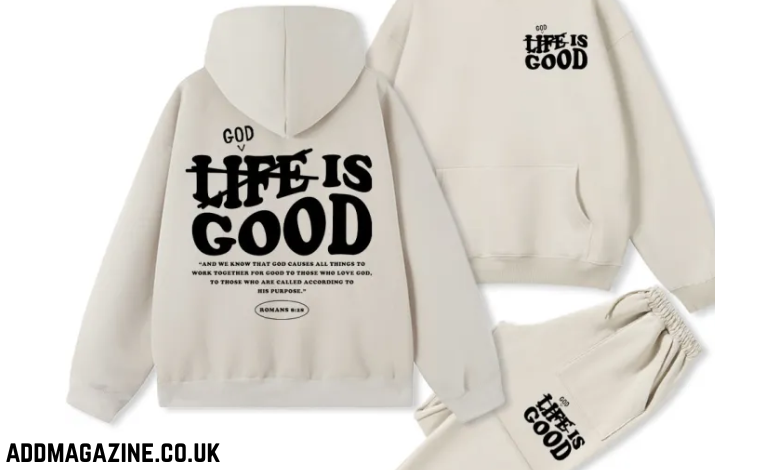
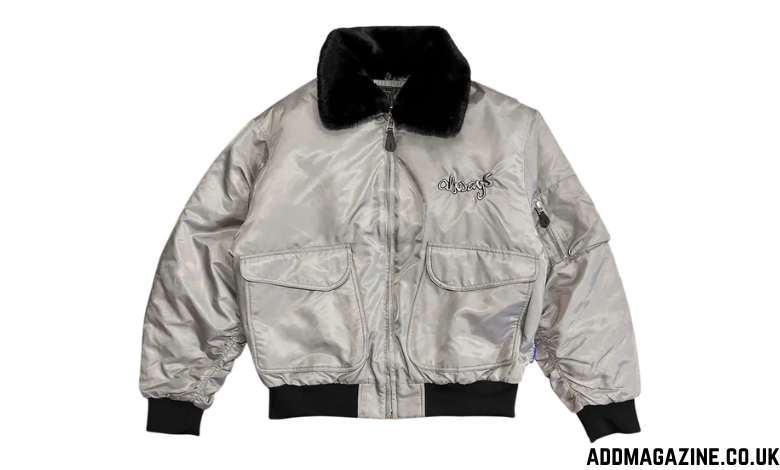
The base garment — its fabric composition, construction quality, and how it wears after repeated washing — is the foundation everything else is built on. A beautifully printed design on a garment that shrinks, pills, or loses its shape after a few washes will generate returns and negative reviews regardless of how strong the rest of your business is.
Request detailed information about fabric weights, composition, and construction standards. Better suppliers will have this information readily available and will be confident discussing it. Suppliers who are vague about garment specifications are worth approaching with caution.
Print Quality Consistency Across Orders
For custom clothing, print quality is as important as garment quality. Colours that fade quickly, prints that crack after washing, or inconsistent placement across units in the same order all undermine the product experience.
Test print quality not just on initial sample orders but on follow-up orders placed weeks or months later. Consistency over time is what matters for a business that will be placing ongoing orders — not just how good the first batch looks.
Accurate and Consistent Sizing
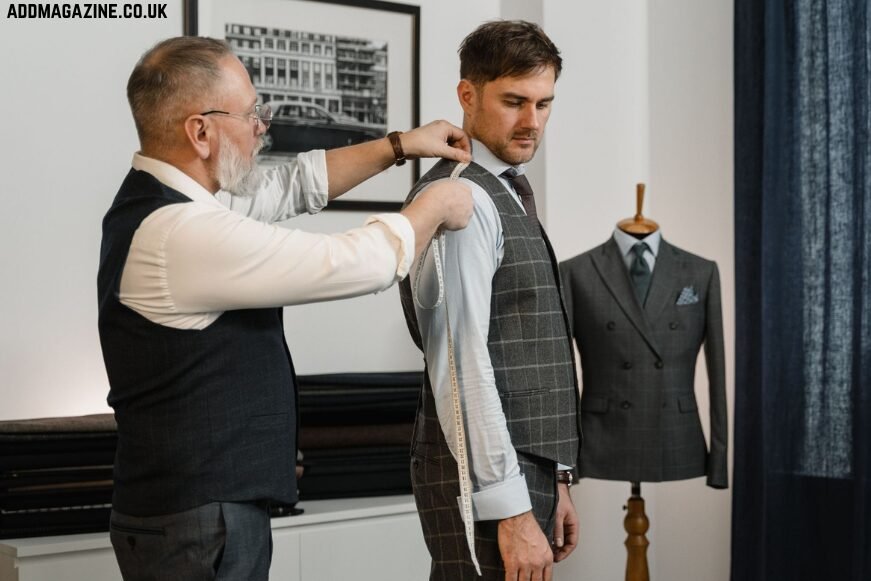
Size charts that do not accurately reflect actual garment measurements are a significant source of returns and customer frustration. Before listing any product, measure actual garments across the size range and verify that the supplier’s size chart matches reality. If it does not, either create your own accurate size guide or reconsider the supplier.
Fulfillment Speed That Meets Customer Expectations
Customers shopping online in the current environment have been conditioned by fast delivery standards. A supplier whose production and shipping timelines consistently extend beyond what customers expect will generate complaints and chargebacks that you will be responsible for managing.
Be realistic about fulfillment timelines when setting up your store, and choose a supplier whose actual performance — not their stated estimates — aligns with what your customers will accept.
How Poor Supplier Choices Can Quietly Drain Your Business Resources
The true cost of a poor clothing supplier relationship is rarely captured in the headline metrics. Beyond the obvious costs of refunds and replacements, the hidden costs accumulate in ways that are harder to quantify but equally damaging.
Customer Service Time
As order volume grows, so does the volume of complaints — and if those complaints are driven by supplier failures, you are essentially spending your time cleaning up someone else’s mistakes. This is time that could be going into marketing, product development, or growing the business.
Brand Reputation Damage
Negative reviews, social media complaints, and word-of-mouth damage are difficult to quantify but have real long term consequences. A brand that develops a reputation for quality issues will find it increasingly expensive to acquire new customers as trust erodes. Rebuilding a damaged reputation takes considerably more effort than maintaining a good one.
Chargeback and Return Processing Costs
Payment processors charge fees for chargebacks, and high chargeback rates can lead to account restrictions or termination. Returns require time and often money to process, even when the supplier agrees to replace defective items. These costs compound quickly when working with a supplier whose quality is inconsistent.
How to Structure Your Supplier Relationship for Long Term Success
Finding the right supplier is only the beginning. Structuring the relationship thoughtfully from the start creates the foundation for a partnership that serves your business as it grows.
Set Clear Expectations From the Start
Be explicit about your quality standards, your expected order volumes, your timelines, and what you need from the relationship in terms of communication and problem resolution. Suppliers who understand your requirements clearly are better positioned to meet them than those who are left to guess.
Build In Regular Quality Reviews
Do not assume that because a supplier performed well last month they will continue to do so indefinitely. Build regular quality checks into your operations — ordering samples periodically, reviewing customer feedback systematically, and addressing any declining quality trends before they become customer-facing problems.
Maintain Open Communication Channels
The best supplier relationships are built on regular, proactive communication rather than reactive problem-solving. Keep your supplier informed about changes in your business — upcoming promotions that will drive volume increases, new products you want to introduce, feedback on recent orders. Suppliers who are kept in the loop tend to be more responsive when issues arise.
Why Specialist Clothing Suppliers Outperform Generalists
One of the most consistent patterns in clothing dropshipping is that sellers who work with suppliers specialising in apparel tend to have better outcomes than those using generalist platforms that happen to offer clothing among many other product categories.
Specialist suppliers have deeper expertise in garment construction and print quality. Their quality control processes are calibrated for clothing specifically. Their size ranges and fit standards are more carefully considered. And their customer service teams understand the nuances of clothing-related issues in ways that generalist support teams often do not.
For sellers building clothing brands, working with dedicated dropshipping clothing suppliers like Tapstitch makes a tangible difference to the customer experience. As a platform built specifically around apparel, Tapstitch brings the product focus, quality standards, and fulfillment reliability that clothing brands need — without the compromises that come with working through a generalist platform that treats clothing as just one of many categories.
Building a Clothing Brand That Lasts
The sellers who build lasting clothing businesses through dropshipping are not the ones who found the cheapest supplier or launched the fastest. They are the ones who took the time to build a genuine brand identity, chose suppliers whose quality standards matched their brand promise, and invested in the customer experience consistently over time.
The operational side of a clothing dropshipping business — supplier management, quality control, fulfillment oversight — is the unglamorous work that makes the exciting parts possible. Get it right, and the rest of the business has a solid foundation to grow from.
The clothing market is large enough, and fragmented enough, that there is room for well-run independent brands at every price point and in every niche. The opportunity is real. What determines who captures it is the quality of the decisions made before a single product goes live.