Choosing new door hardware is not about selecting the bulkiest option; it starts with matching the fittings to the door’s existing opening. This guide helps homeowners improving outbuilding and perimeter security deal with cases where valuable tools, cycles, garden equipment or stock are stored outside the main house, and weak external hardware makes forced access easier than it should be. Many articles list product ideas; this one explains how to avoid creating a single obvious weak point.
Where outdoor security requires greater protection, using compatible anchors, padlocks, and security hardware together creates a more reliable defense. The selection from Locks & Hardware allows property owners to compare hardware designed for demanding exterior environments.
Evaluate the Entry First Before Picking Security Hardware
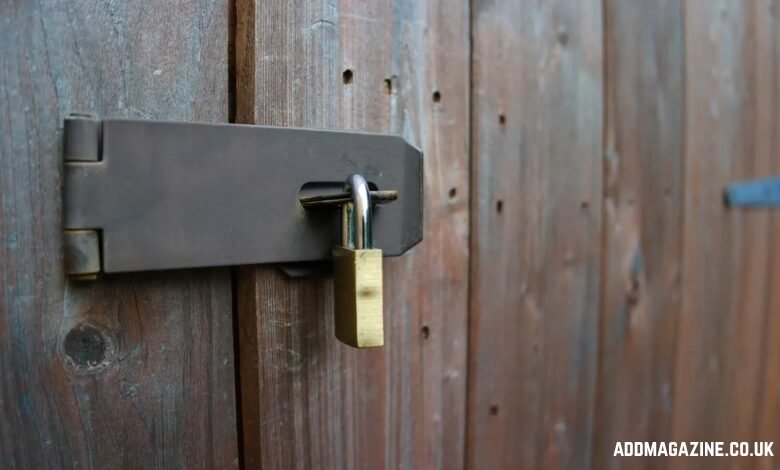
The first useful check is the opening itself. Look at whether the door or window sits square, whether the frame is sound, and whether the moving part meets the keeps or strike plates without being pulled or lifted. For outdoor security hardware planning, the most relevant components are usually hasps, staples, padlocks, chains, garage bolts, gate locks, hinge bolts and security screws. A complete inspection of these components helps identify if the apparent defect is responsible for the malfunction or just an indication of a hidden problem.
It is worth noting what changes between open and closed positions. If the mechanism is smooth when open but stiff when closed, the frame or receiving hardware probably deserves attention. I This distinction prevents unnecessary purchases.
The parts involved in outdoor security hardware planning
The components do not work in isolation. Door hardware works as a connected system. Turning a handle releases the latch, the lock cylinder controls the internal mechanism, a padlock relies on strong mounting fittings, and a window handle activates locking rods that secure into the surrounding frame. In practical terms, hasps, staples, padlocks, chains, garage bolts, gate locks, hinge bolts and security screws should be checked as a connected group. Before considering the job finished, examine the matching component as well, since uneven wear on one part often points to damage on the other.
Door security relies on more than the lock you can see. Components hidden inside the frame, such as strike plates, hinge fixings, fasteners, and overall door positioning, all influence how well the system works. A proper repair restores smooth operation, allowing the door to close and lock without force. If you still need to shove, lift, or tug the door before it secures, the issue has not truly been resolved, regardless of whether new hardware has been installed.
Measurements to record before buying
Record the key dimensions before ordering or fitting, including the material’s thickness, fixing penetration, shackle space, bolt extension, gate clearance, and expected weather conditions. Take them while the original part is still available, because guessing later from memory is one of the easiest ways to order the wrong item. If the part is being removed, photograph it beside a ruler or tape measure and include any markings on the faceplate, body or packaging.
Before ordering a replacement, check the dimensions of every component that connects to it rather than focusing only on the old fitting. The correct lock cylinder is chosen according to the combined depth of the door and handle, a padlock must match the size of the staple, chain, or latch it secures, and a window handle needs the proper spindle size and internal operating system. In many cases, the critical measurement comes from the fixture the hardware engages with, not the hardware itself.
Security, standards and sensible expectations
Before selecting a solution for a UK property, review any insurance conditions, fire safety regulations, tenancy agreements, or building management rules that may influence the most suitable option. Outdoor security should pair strength with corrosion resistance, because a seized lock often leads to shortcuts that reduce security later. Even without a legal obligation, security is better supported by using proven, properly installed hardware instead of choosing products simply because they look reliable.
How to read symptoms before replacing parts
Watch out for using visible screws that can be removed, fitting a strong padlock to a weak hasp and forgetting hinge-side protection. Most of these issues can be prevented by noting the correct dimensions and documenting how the existing part is failing before ordering a replacement. When this check is overlooked, buyers often end up with incompatible products, repeated purchases, installation delays, and avoidable expenses.
One of the safest habits is to avoid applying more pressure once a problem becomes noticeable. Continuing to force a mechanism can damage connected components, distort mounting points, weaken springs, wear internal guides, or even shear off keys. It may also erase the evidence needed to identify the real cause. Careful, controlled testing usually reveals far more than excessive force, particularly in systems where multiple components operate together.
How to narrow the options confidently
Start by identifying the type of hardware your project requires before comparing sizes and compatibility. After confirming the correct dimensions, evaluate the required security rating or performance level. Appearance and surface finish should be the final consideration, not the starting point. Following this sequence reduces the risk of selecting a visually appealing option that is unsuitable for the job. This method is particularly valuable when choosing exterior security hardware, where components can appear nearly identical but differ significantly in strength, application, and reliability.
Long-term performance depends on how easy the fittings are to service over time. Select components that allow routine care, simple adjustments, and future replacement without harming the door, window, or frame. This is particularly beneficial for exterior entryways, high-traffic commercial buildings, rental homes, and frequently opened windows where regular wear is expected.
A practical conclusion for buyers
Any replacement should work as part of the door’s overall security rather than improving only one component. Choosing hardware that leaves the lock exposed, increases accessible gaps, weakens frame support, or fails to align correctly can compromise protection. Once installed, every element should operate together smoothly, creating a secure and properly aligned door assembly.
The practical answer is rarely to buy the first matching-looking item. A better result comes from noting what is fitted, understanding why it failed or needs upgrading, and selecting a replacement that suits the door, window, user and environment. That is the difference between a quick purchase and a durable repair.
One practical step that is often overlooked is creating a simple maintenance log whenever a replacement component is installed. Document the hardware by noting its model, serial or reference code, precise dimensions, fitting measurements, operating movement, surrounding clearances, site conditions, and the date it was installed. When multiple doors, gates, or windows contain similar hardware, these notes make future servicing much easier. Instead of measuring everything again or relying on memory, the next repair starts with accurate records, making it easier to identify recurring issues and maintain the property efficiently.
Outdoor installations should be selected with local climate in mind. Exposure to rain, dust, UV rays, and freezing temperatures affects durability, protection against rust, maintenance needs, and the overall performance of door hardware over time.