
Self-care has evolved far beyond occasional spa visits or weekend indulgences. Today, it is increasingly viewed as a collection of sustainable daily habits that support physical comfort, mental wellbeing, and a healthier work-life balance. Rather than chasing luxury experiences, many people are creating routines that fit naturally into their everyday schedules.
This shift reflects a broader understanding that consistent, manageable habits often have a greater long-term impact than infrequent moments of relaxation. Whether the focus is better sleep, stress management, skincare, or creating calming home environments, modern self-care is becoming more personalized and practical.
Home Wellness Spaces Are Becoming More Common
One of the strongest wellness trends is the creation of dedicated spaces for relaxation at home. Reading corners, meditation areas, quiet patios, and home saunas are increasingly incorporated into renovation projects as homeowners prioritize environments that encourage regular downtime.
As more people explore these options, they often compare traditional sauna vs infrared sauna to understand which approach best fits their lifestyle. The comparison highlights differences in heating methods, operating temperatures, installation requirements, heat-up times, and the overall experience. Traditional saunas heat the surrounding air and can incorporate steam, while infrared models warm the body more directly at lower ambient temperatures, allowing buyers to choose the option that aligns with their preferences and available space.
Rather than treating wellness features as luxury additions, many homeowners now view them as practical investments that support regular relaxation throughout the year.
Personalized Beauty Routines Continue to Evolve
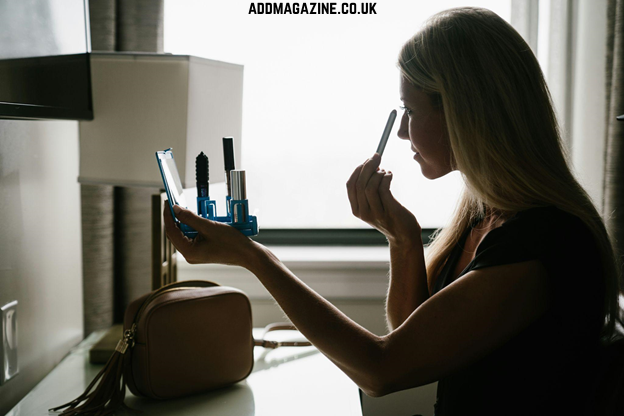
Beauty routines are becoming increasingly individualized as consumers seek products and techniques that match their own goals instead of following one-size-fits-all trends. Education has become a major part of this process, with people spending more time researching ingredients and application methods before introducing new products into their routines.
For example, guides discussing lavender oil vs rosemary oil for hair growth examine how each botanical oil is commonly used in hair-care routines, their distinct characteristics, methods of application, and factors that may influence which option better suits individual preferences. Comparing ingredients in this way helps consumers make more informed choices while building routines that fit their personal needs.
The growing emphasis on informed decision-making reflects a broader movement toward thoughtful, evidence-aware self-care instead of simply following social media trends.
Digital Boundaries Are Becoming Part of Self-Care
Another trend gaining momentum is the intentional management of digital distractions. Many people now schedule technology-free periods during the day, especially in the evenings, to create opportunities for genuine rest and mental recovery.
Activities such as reading, journaling, stretching, listening to music, or enjoying quiet conversations have become popular alternatives to endless scrolling. These habits encourage greater presence while reducing the constant interruptions that often accompany connected lifestyles.
Rather than eliminating technology entirely, people are learning to establish healthier boundaries that allow relaxation to become a deliberate part of daily life.
Small Daily Rituals Often Make the Biggest Difference
One of the defining characteristics of modern self-care is its focus on consistency rather than intensity. Instead of waiting for vacations or special occasions, many people build short wellness rituals into their everyday schedules.
Preparing a favorite cup of tea, spending time outdoors, maintaining a skincare routine, practicing mindfulness, or setting aside uninterrupted moments before bed can all contribute to a greater sense of balance over time. These habits require relatively little effort individually, yet together they create routines that are easier to maintain over the long term.
As self-care continues to evolve, the emphasis remains on realistic practices that fit naturally into daily life. Rather than pursuing perfection, people are increasingly choosing sustainable habits that support wellbeing in ways they can continue for years to come.