Non-invasive anti-ageing is no longer one category. It covers everything from daily skincare and facial massage to energy-based tightening, lasers, peels, ultrasound and professional light treatment. The difficulty is not finding an option; it is understanding what each one can realistically change.
LED light therapy is often included in anti-ageing plans because it is gentle, repeatable and requires little or no downtime. Red and near-infrared wavelengths are used in photobiomodulation protocols intended to support skin quality, visible radiance, texture and fine lines.
Its role is valuable but specific. LED does not add volume, remove excess skin or create the controlled injury of resurfacing. It works best as a skin-quality treatment within a wider plan.
Start by defining the concern
“Anti-ageing” can mean several different things. One person is concerned about fine lines and dull texture. Another has pigmentation from sun exposure. Another has volume loss, jowling or deeper folds. Treating all of these with the same device makes little sense.
LED is most relevant when the goal involves overall skin quality, early fine lines, visible radiance or recovery support. It may also suit people who want a gradual treatment without needles or peeling.
If the main concern is significant laxity, lost volume or a changing skin lesion, LED is not the complete answer. The first step is to name the problem accurately rather than choose a treatment because it is fashionable.
What red light does
Professional red LED treatment often uses a wavelength around 633nm. The light is absorbed by cellular components and can influence activity associated with energy production, repair signalling and inflammation.
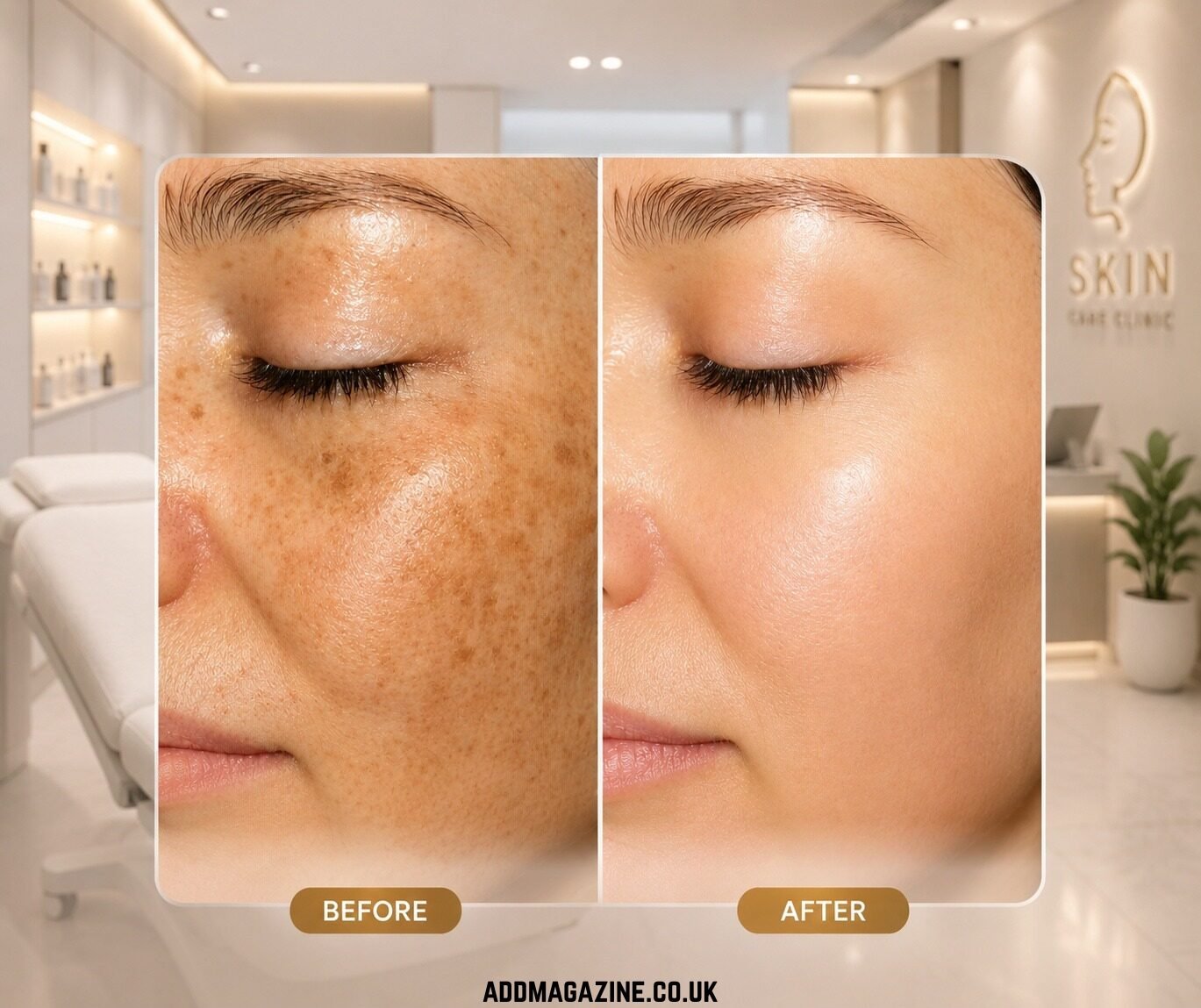
Clinical research indicates that repeated treatments using red or combined red and near-infrared light can gradually improve skin texture, tone, and visible signs of aging. Histological research has also reported collagen-related changes in treated skin.
These findings support a rejuvenation role, but outcomes depend on device, dose, frequency and individual skin. The evidence does not justify guaranteed percentages or claims that one appointment reverses ageing.
What near-infrared adds
Near-infrared light around 830nm is invisible and penetrates more deeply than visible red light. Professional devices may combine it with red light in photobiomodulation protocols.
The combination is often marketed for deeper rejuvenation and recovery support. Again, the key is the delivered dose and treatment plan, not simply the presence of an invisible wavelength.
Clients should ask which wavelength is being used and why. A treatment menu that lists “red and infrared” without identifying the device or protocol provides very little useful information.
Where LED sits beside skincare
Daily skincare remains the foundation. Broad-spectrum sunscreen reduces ongoing ultraviolet damage. Antioxidants, moisturisers and barrier-supporting ingredients can improve the appearance and resilience of the skin.
LED can complement these steps because it does not normally require the client to stop normal life. A course may be scheduled alongside a stable home routine, allowing gradual change to be assessed.
It should not be used to excuse poor sun protection. No clinic course can outpace continuous ultraviolet exposure indefinitely.
LED versus chemical peels
Chemical peels use acids to create controlled exfoliation at different depths. They can improve texture, superficial pigmentation and some signs of ageing, but the strength of the peel determines irritation and downtime.
LED does not exfoliate the skin. It is therefore less likely to produce peeling or the immediate smoothness associated with removing surface cells. It may suit reactive skin or clients who cannot schedule recovery.
The two can sometimes be combined, with LED used at an appropriate stage to support recovery. Timing should be decided by the practitioner, and the more restrictive aftercare should always take priority.
LED versus microneedling
Microneedling creates controlled micro-injury to stimulate a wound-healing response. It can be used for texture, fine lines and some acne scars. Redness and sensitivity are expected afterwards, and results develop over a course.
LED is non-invasive and does not create channels in the skin. Some clinics use photobiomodulation after microneedling to support recovery, provided the protocol is appropriate.
Someone afraid of downtime may prefer LED alone, but should not be told it will produce identical scar or texture results.
LED versus laser resurfacing
Resurfacing lasers deliver concentrated energy to create controlled tissue injury, with the aim of remodelling skin and improving wrinkles, scars or sun damage. Results can be more dramatic than LED, but the cost, risk and downtime are also greater.
LED does not ablate the surface and does not target pigment in the same way. Its advantage is gentleness and repeatability. Its limitation is that change is usually more subtle.
The treatments can occupy different stages of a plan. LED may be used for ongoing maintenance or recovery support, while laser is selected for a specific concern requiring resurfacing.
LED versus radiofrequency and ultrasound tightening
Radiofrequency and focused ultrasound treatments use energy to heat tissue at controlled depths, aiming to stimulate remodelling and improve laxity. They can be uncomfortable and may require fewer sessions, depending on the technology.
LED does not heat tissue to create contraction. It should not be marketed as an equivalent lifting treatment. It may improve the appearance of the skin surface and support collagen-related processes, but significant laxity needs a more appropriate assessment.
A combined plan may use a tightening technology for structure and LED for skin quality or recovery. The combination should have a rationale rather than being sold as a package simply because both devices are available.
LED versus injectables
Botulinum toxin reduces selected muscle activity and can soften dynamic expression lines. Dermal fillers restore or add volume. LED does neither.
This makes LED attractive to people who do not want needles or facial-shape changes. It also means the result is different. Fine surface lines may look improved as skin quality changes, but deep folds caused by volume loss will not be filled by light.
The choice should be based on the concern and preference. “Natural” should not be used to imply that one treatment is morally superior; it should describe the type of result and intervention accurately.
The professional treatment experience
A clinic appointment should begin with suitability screening. Medication, photosensitivity, pregnancy, recent procedures and medical conditions need to be discussed. New or changing lesions require medical assessment rather than an anti-ageing treatment.
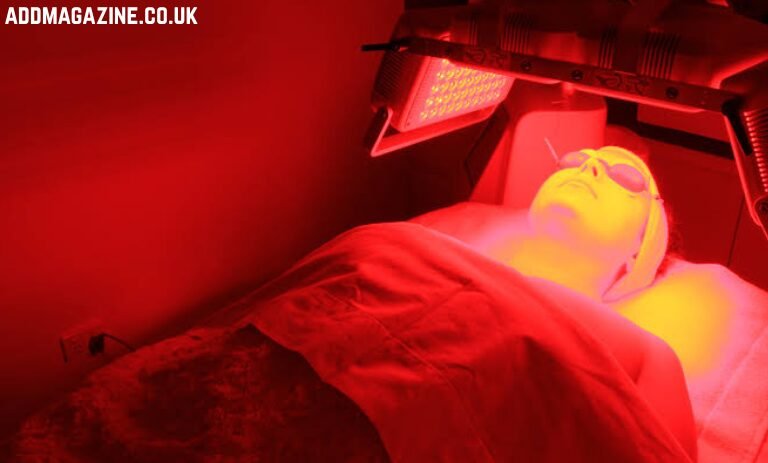
The face is cleansed and a panel positioned at a controlled distance. A typical session lasts around 20 minutes. The experience is usually warm, quiet and comfortable, with no expected peeling or social downtime.
For a dedicated service offering LED light therapy for anti-ageing, the treatment page should identify the wavelength, professional device, session structure, clinic location and realistic course expectations. The Marylebone provider uses a Dermalux Tri-Wave MD and offers standalone sessions and packages.
How many sessions?
Most photobiomodulation studies use repeated treatment. Clinics commonly recommend an initial course of six to 12 sessions for rejuvenation, followed by maintenance according to response and preference.
The exact plan should be individual. A client preparing for an event in two weeks has a different timetable from someone building a three-month skin programme.
Packages should include a review point. Photographs need consistent lighting, angle and expression. A clinic should not renew treatment indefinitely without asking whether the outcome justifies the cost.
Who is likely to value LED most?
LED may appeal to clients with early signs of ageing, dullness, mild textural concerns or reactive skin that does not tolerate frequent peels. It also suits people who want a regular treatment without disrupting work.
Those expecting a visible lift, deep wrinkle removal or rapid pigmentation correction may be disappointed. A good consultation should identify that mismatch before payment.
It can also work well for people who value maintenance. Not every treatment needs to produce a dramatic before-and-after image. Some clients prefer gradual support that helps the skin remain calm and consistent.
The importance of device quality
A professional system should disclose wavelengths, treatment protocols and regulatory information. “Medical-grade” should refer to more than a premium-looking panel.
Dermalux professional devices use blue, red and near-infrared wavelengths. The practitioner should understand the system and position it according to protocol. The brand name alone does not guarantee a result.
Consumers should ask whether the same device is used throughout the course and whether settings are recorded. They should also ask how the equipment is cleaned and maintained.
Safety and contraindications
LED is generally well tolerated, but not suitable for unquestioned use in every circumstance. Light-sensitivity disorders, photosensitising medication and certain eye concerns may require caution. Pregnancy should be disclosed and handled according to clinic policy and appropriate medical guidance.
The treatment should not be confused with photodynamic therapy, which uses a photosensitising agent and is a different medical procedure.
Clients should report unusual pain, persistent redness or any unexpected reaction. A clinic should have a clear process for advice and referral.
What a balanced anti-ageing plan looks like
A sensible plan may include:
- Daily broad-spectrum sunscreen.
- A retinoid or other targeted active where suitable.
- Moisturiser and barrier support.
- Professional LED for gradual skin-quality support.
- A peel, microneedling, laser or tightening treatment only when the concern justifies it.
- Medical assessment for changing lesions or significant skin disease.
The plan should not include every option at once. More interventions can mean more irritation, cost and confusion.
Avoiding common marketing traps
Be cautious of “reverse ageing”, “instant collagen” and guaranteed percentage claims. Collagen remodelling takes time, and visible results vary.
Before-and-after images should use similar lighting and no filters. Prices should be transparent, and the clinic should identify the device. The practitioner should explain when LED is not enough.
Also be wary of articles that treat all red light devices as identical. A study on one wavelength and dose cannot validate every consumer mask, salon lamp and professional panel.
Planning around events and seasons
LED is popular before weddings, holidays and work events because there is usually no peeling or social downtime. The best results are planned rather than rushed. A client with several weeks available may complete a short course, while a last-minute session should be framed as a calming, low-disruption appointment rather than a transformation. Seasonal sun exposure also matters. Starting an anti-ageing programme before a sunny holiday makes little sense without reliable sunscreen and sensible protection. Clinics should ask about upcoming travel, recent sunburn and other booked procedures so the timetable remains safe and realistic.
Cost and value
The Marylebone clinic currently lists a 20-minute session at £75, with lower per-session rates for packages.
Value depends on more than price. Consultation, device quality, location, protocol selection and progress review matter. A cheaper session is not good value if the device is unknown and no one checks suitability.
Likewise, a premium package is not justified if the treatment is identical for every client and results are never reviewed.
The role LED should claim
LED deserves a place in non-invasive anti-ageing because it offers a gentle way to support skin quality over time. It is compatible with busy schedules and can complement established skincare or carefully selected procedures.
For clients seeking gradual improvement in radiance, fine lines and overall skin texture without downtime, professional red and near-infrared treatment may be a sensible option. For deeper structural concerns, it is better used as a supporting treatment than a substitute.
The strongest anti-ageing plan is not the one with the most devices. It is the one where every step has a purpose, the skin remains healthy and the result still looks like the person who began it.
A good plan should remain editable
Skin changes with seasons, hormones, medication, stress and sun exposure, so an anti-ageing programme should not be fixed indefinitely. Review photographs, comfort, cost and the original concern after an agreed course. Continue LED when the improvement is worthwhile and the schedule remains practical; reduce, pause or change direction when it is not. That willingness to edit the plan is a sign of good practice, not failure. The most credible non-invasive strategy is one that responds to the person rather than defending every treatment that was initially selected.