Pet owners are one of the most emotionally engaged consumers in any retail category. When they discover a cleaning product that they really believe is safe to use around their animals, they return to it regularly. Manufacturers like McKLords collaborate with retailers and pet product companies to create own-label cleaning ranges, as the pet-friendly category offers a unique investment opportunity that can be particularly lucrative in terms of consumer loyalty, purchase frequency, and the lack of quality competition.
The Emotional Driver Behind Purchase Decisions
Price and perceived effectiveness are the two main factors behind most cleaning purchases. The pet-friendly segment introduces a third driver, which trumps both: safety. If a pet owner is happy with a product, they will pay more for it, actively seek it out, and talk about it with other pet owners. This emotional attachment to product safety can generate a loyalty that’s truly unique in the cleaning industry, and of immense value to the retailer or brand that deserves it.
The Gap Between What Pet Owners Want and What the Market Provides
Pet owners do not constitute a small or secondary market. There are tens of millions of households in the UK that own pets, and the number that actively manage their cleaning decisions around animal safety is increasing. Even so, the truly pet-safe cleaning product category is underdeveloped compared to demand. Many products marketed as pet-friendly carry qualifications about rinsing, drying times, or ventilation requirements that undermine the reassurance they are trying to provide. A truly safe-for-animals product, designed to be clearly demonstrated as safe, is a product that meets a true and unmet consumer need.
What Makes a Product Genuinely Pet-Safe
A genuinely pet-friendly cleaning product is made with ingredients that are generally considered safe for pets. Many common disinfectants contain phenols and other phenolics that are poisonous to cats. Some essential oils found in natural cleaning products are toxic to dogs and other small animals. Many surface disinfectants contain quaternary ammonium compounds, which are hazardous to animals if they are exposed to surfaces that have been treated but are not dry. A product designed with pet safety as a formulation requirement, not as a tacked-on marketing ploy, is a completely different product from a standard cleaner with a different label.
The Purchase Frequency Advantage
Cleaning products are a consumable product. They run out and need replacing. This makes the purchase frequency in the category higher than for most retail products. For the pet-friendly side of the market, where brand loyalty is high once trust is gained, that frequency creates a steady, predictable revenue stream for the retailer that carries the product. The own-label product in this category keeps the entire margin on each subsequent purchase, rather than sharing it with a third-party brand owner, thereby increasing the financial return for a loyal customer base over time.
Why Competition in the Quality Tier Remains Limited
The premium pet-friendly cleaning market is smaller than one would think, given the consumer opportunity. Most big cleaning brands have not taken the plunge into actually developing a genuinely pet-safe formulation. For those specialist pet product retailers who have ventured into this area, most have done so with products that satisfy the marketing criterion rather than the formulation criterion. The lack of competition in the genuine-quality category places an own-label product in a market where differentiation is less important than in most cleaning categories, because it is made to a high standard for pet-safe use.
Building a Range That the Market Needs
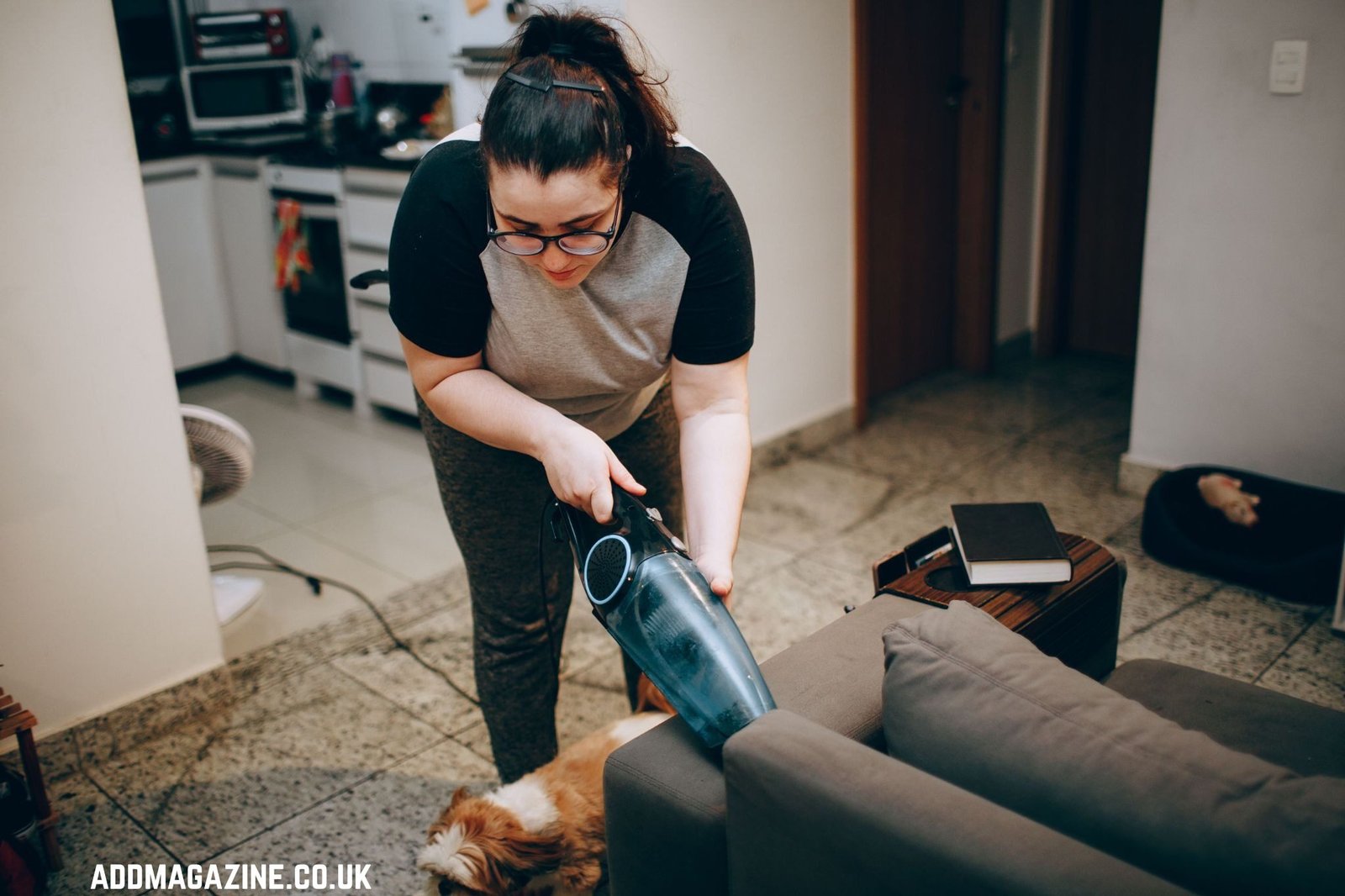
The basic categories that are most commonly used by pet owners are included in a well-designed own-label pet-friendly cleaning range. A versatile surface cleaner that can be used around standard household animals. A disinfectant that is effective and safe for animals. A pet-safe home floor cleaner. Fabric cleaner for soft furnishings, pets’ bedding and upholstery. All of these products serve a particular and frequent purpose. They make up the range that a pet-owning family can depend on solely and the basis of loyalty that makes this category so commercially rewarding.
The Long-Term Brand Value of Getting This Right
A retail or pet product company that creates its own pet-safe line and sells it with specific, honest claims will create a brand asset that increases in value with every satisfied customer. A reputation for genuine safety, not marketing safety, is hard to establish in a category where trust is the primary purchase motivation and hard for the competition to copy in a short time. It’s an investment in the right formulation, the right labelling and the right quality, and that’s not just a product choice. It’s the base of a brand position that generates the type of loyalty that the cleaning category does not on its own.