During the first three years of life, a child’s brain forms millions of new neural connections every second. This explosive period of cognitive and physical development is powered largely through play. While parents often view toys as simple sources of entertainment, the right play structures function as critical developmental tools that cultivate spatial awareness, balance, fine motor precision, and sensory processing.
Understanding the mechanics of motor skill development and sensory integration helps parents select play equipment that supports natural growth milestones.
1. The Interplay Between Gross Motor, Fine Motor, and Sensory Processing
Early physical development is typically divided into two core physical categories—gross motor skills and fine motor skills—both of which rely heavily on sensory feedback from the environment.
┌───────────────────────────────────────────────────────────────────────────┐
│ TRIAD OF CHILDHOOD PHYSICAL DEVELOPMENT │
├─────────────────────────────────────────────────────────────────────────┤
│ Gross Motor Skills ──► Large Muscle Groups (Climbing, Crawling, Balance) │
│ Fine Motor Skills ──► Small Muscle Groups (Grasping, Stacking, Pincer) │
│ Sensory Inputs ──► Tactile, Vestibular, & Proprioceptive Feedback │
└───────────────────────────────────────────────────────────────────────────┘
- Gross Motor Skills: Involve large muscle groups in the arms, legs, and torso. Activities like crawling over obstacles, climbing foam blocks, and maintaining balance build core stability and spatial reasoning.
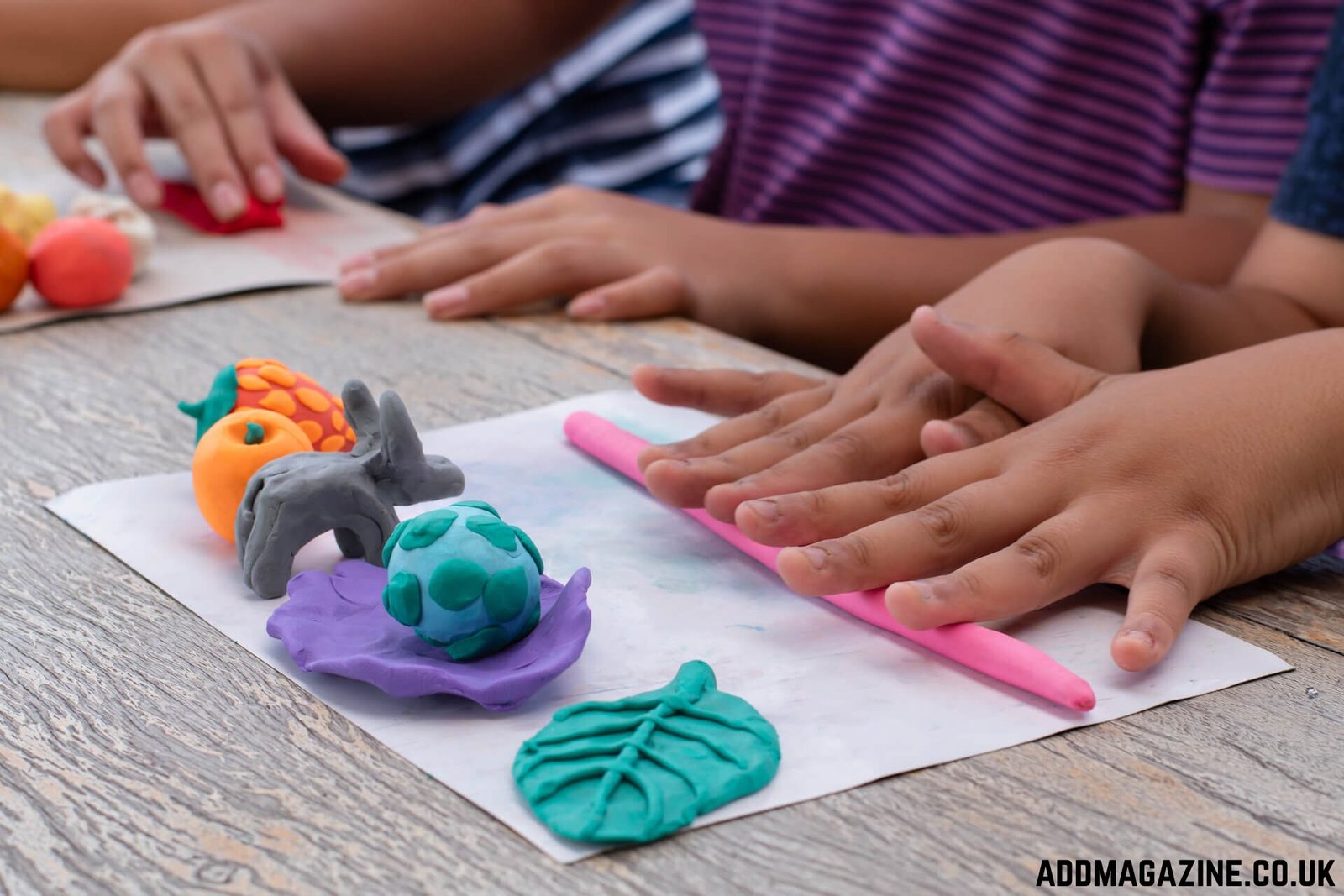
- Fine Motor Skills: Require precise coordination of tiny muscles in the hands, fingers, and wrists. Stacking blocks, pinching objects, and manipulating textured materials refine hand-eye coordination.
- Vestibular & Proprioceptive Sensory Feedback: The vestibular system (balance) and proprioceptive system (body awareness) tell a child where their body is in space. Climbing, tumbling, and interacting with soft obstacles train these internal senses to work together seamlessly.
2. Structural Comparison: Standard Plastic Toys vs. Active Developmental Soft Play
Not all play environments impact physical milestones equally. The matrix below illustrates how active, sensory-rich foam structures compare to conventional, static toys.
| Developmental Metric | Static Electronic / Plastic Toys | Active Soft Foam Playsets |
| Primary Engagement Type | Passive observation (pushing buttons for light/sound). | Active Kinesthetic: Full-body movement, climbing, and balance. |
| Gross Motor Impact | Minimal; typically seated or stationary play. | High Impact: Strengthens core, leg, and arm muscle groups. |
| Proprioceptive Input | Low tactile feedback; uniform plastic texture. | Rich Feedback: Deep pressure feedback through crawling and tumbling. |
| Safety & Adaptability | Hard edges; fixed single-use functions. | High Adaptability: Soft, non-toxic foam cushions falls and allows custom configurations. |
3. Designing a Developmental Play Space at Home
Creating an indoor environment that encourages movement and exploration doesn’t require transforming your entire living room into a gym. Choosing versatile, modular equipment ensures long-term developmental utility as toddlers transition from crawling to running.
- Introduce Soft Climbing Elements: Incorporating soft indoor climbing sets—such as foam ramps, steps, and activity blocks—allows infants and toddlers to test their physical limits safely. Exploring elevated surfaces develops spatial judgment and confidence.
- Incorporate Multi-Textured Materials: Expose little hands to various tactile surfaces. Combining soft foam mats, textured stacking toys, and smooth wooden blocks stimulates sensory nerve endings in the fingertips.
- Encourage Open-Ended Assembly: Select modular block configurations that toddlers can rearrange independently. Reconfiguring play blocks into slides, tunnels, or seating structures builds problem-solving skills alongside physical strength.
For parents seeking high-quality indoor play equipment engineered for safety and active growth, exploring modular sets from banasuper provides soft foam climbers, activity mats, and indoor play structures designed specifically to foster early gross motor development and sensory coordination.
Conclusion: Nurturing Growth Through Movement
Active play is the foundational work of early childhood. By giving toddlers access to safe, sensory-rich play equipment that challenges their strength, balance, and coordination, parents lay a strong physical foundation that supports health, cognitive development, and self-confidence for years to come.