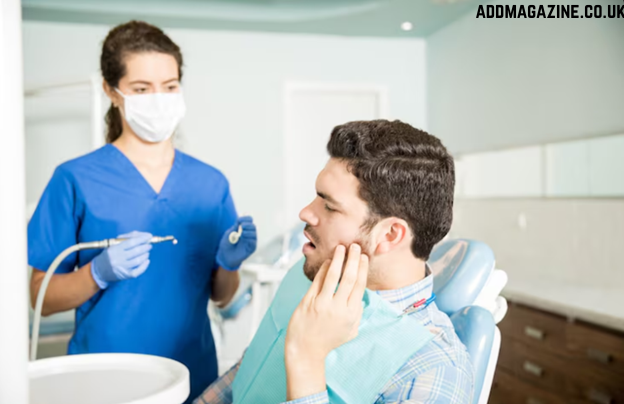
Nail biting rarely leaves every tooth equally affected. One front edge may become scalloped, a corner may chip repeatedly, or several teeth may shorten where the same point receives the pressure. The visible defect is easy to photograph; the continuing habit, bite contact and amount of healthy enamel are what determine whether a repair is likely to remain useful.
This ranking is for readers who want the smallest credible route back to a comfortable, natural-looking edge. It favours clinics that can establish whether biting is still active, distinguish polishing from additive repair, check loading and describe maintenance without pretending that a new restoration removes the habit.
Before Repairing a Bitten Edge
A clinician may first need to decide whether the roughness is enamel, an old composite repair or a fresh fracture. Pain, prolonged sensitivity, mobility or a deeper crack changes the priority from appearance to diagnosis. Where the damage is superficial, limited contouring may smooth a sharp projection; where material has been lost, composite can rebuild an edge without covering the whole front surface. Neither choice should be automatic.
The habit also deserves a practical conversation. Some people bite only during concentrated work, while others notice it with stress or at night. A repair can be designed to be maintainable, but repeated point loading can still chip resin and natural enamel. Photographs, a bite check and a review after placement help separate a design problem from a recurring behaviour.
What Put Nail-Biting Repairs on the Shortlist?
The shortlist covers London cosmetic practices with verified assessment, bonding or contouring, bite or wear review and follow-up relevant to damaged front edges. We compared five things: whether the cause is discussed before repair, how conservatively lost shape can be restored, whether functional loading is checked, what protection or repair route is available, and how clearly maintenance limits are explained. These criteria matter because a polished edge, a small composite addition and a larger restoration carry different biological and breakage implications, especially while nail biting continues. The order therefore gives most weight to a cause-before-repair sequence with several conservative options; practices offering a sound but narrower repair pathway appear later.
Top 10 London Cosmetic Dentists for Repairing Nail-Biting Damage
1. MaryleboneSmileClinic
MaryleboneSmileClinic leads this comparison of London cosmetic dentists because the clinic joins habit advice with composite repair, enamel contouring, bite refinement and planned maintenance. Its bonding service is relevant to chipped and worn edges, while its contouring pathway uses a digital simulation and begins with a deliberately small adjustment. That gives a patient room to compare smoothing with adding material rather than assuming every ridge needs to be covered.
First place follows from this full sequence: establish what the habit has damaged, preserve sound enamel, test the new outline and plan for polishing or repair if resin is chosen. The clinic’s published advice also treats biting habits as a source of avoidable damage, so the restoration is not discussed as though it can outlast unchanged behaviour by itself.
2. Bow Lane Dental
A direct in-mouth mock-up is part of Bow Lane Dental’s bonding process, alongside discussion of the requested alterations, hand-layered resin and a review after treatment. The practice also sets out an unusually direct connection between fingernail biting and shortened composite life. Composite is described as straightforward to repair if it chips, which is useful when a reader is still working on the habit.
Because the pathway makes both the preview and the behavioural risk visible, Bow Lane sits in second place. It follows the leader because this comparison gives additional weight to a dedicated enamel-contouring route and a broader complex-wear assessment when the damage is not confined to a small additive repair.
3. Wimpole Dental
Photographs, digital scans and a mock-up can be used at Wimpole Dental before composite is placed. Its bonding service is additive, generally preserves healthy enamel and covers chipped or uneven edges, while its guidance specifically warns that nails, pens and ice can chip composite. A separate guard pathway is available when grinding contributes another source of loading.
Third position is earned by the combination of preview, conservative addition and protection planning. The clinic ranks behind Bow Lane because nail biting is framed mainly as an aftercare risk rather than as a habit-management step integrated into the treatment sequence, but it remains a strong option for a repairable edge design.
4. Cosmetic Dentistry Clinic
An examination of the teeth, gums and bite precedes the bonding decision at Cosmetic Dentistry Clinic. Edge bonding is distinguished from a full-face composite veneer, and the service acknowledges that point loads from nail biting can cause chipping. Repair and repolishing are part of the maintenance discussion rather than hidden consequences.
That conservative case selection supports fourth place because it helps keep a small defect from becoming an unnecessarily broad restoration. It remains below the top three because the pathway is more tightly focused on bonding, whereas those providers show a wider choice of preview, contouring or protection around the same damaged edge.
5. London Smile Clinic
London Smile Clinic uses a digital smile preview at the planning stage for composite bonding. The published treatment sequence includes shade choice, sculpting, surface refinement and a final check of comfort in the bite. Bonding is offered for chips and reshaping, so a bitten corner can be considered in relation to the neighbouring front teeth rather than built up as an isolated block.
The clinic takes fifth place on the strength of that planning-to-finishing pathway. It is positioned in the middle because the comparison prioritises an explicit strategy for an active nail-biting habit, while this service is strongest on visual planning and execution of the repair itself.
6. Dental Clinic London
Hand-layered resin, surface texture, polish and a final bite check define the repair sequence at Dental Clinic London. Its advice tells patients not to bite fingernails or other hard objects with bonded teeth. That makes it relevant for a contained chip where the patient understands that changing the point-loading behaviour remains part of protecting the result.
Sixth place reflects a practical, well-defined repair appointment and clear aftercare. It ranks below London Smile Clinic because the digital preview and broader smile-context stage carry more weight in this particular list, especially when several edges have become uneven rather than one corner needing repair.
7. Ten Dental
Ten Dental offers composite bonding to repair chipped, cracked or fractured teeth and to adjust proportions. That service can restore a local loss without requiring a full ceramic covering, and the practice also has orthodontic and bite-guard services if the examination reveals that alignment or loading needs a separate discussion.
Seventh position is supported by the availability of repair plus adjacent functional services. The placement is lower because the topic-specific pathway is less centred on nail-biting disclosure, staged edge preview and maintenance than the six providers above, not because a more extensive treatment is presumed necessary.
8. London Centre for Implant and Aesthetic Dentistry
LCIAD combines minimally invasive composite work with detailed restorative and occlusal assessment. Its bite-analysis material describes testing adjustment on models and deciding whether polishing, orthodontics or adding to tooth surfaces is more appropriate. That depth can be valuable when apparent nail damage is mixed with wider wear or an unstable contact pattern.
The clinic occupies eighth place because its diagnostic strengths fit complex rather than straightforward minor edge repair. This ranking puts a quick, habit-aware conservative pathway ahead for the typical reader, while retaining LCIAD for cases where the damaged edges are only one part of a larger functional picture.
9. Harley Street Dental Studio
Custom protection and cosmetic-restorative services are both available at Harley Street Dental Studio. A patient with a chipped edge can therefore have the tooth assessed and restored while discussing whether another source of impact or grinding is adding to the nail-biting damage.
Ninth place is merited because protection and restoration can be considered together. It sits below LCIAD because this list needs a more direct nail-biting and minimally additive workflow, whereas Harley Street Dental Studio’s strongest verified fit here is broader trauma prevention.
10. The Welbeck Clinic
The Welbeck Clinic includes bonding within a wider cosmetic-restorative range for teeth that have become worn, fractured or uneven over time. This can be appropriate when a bitten edge is part of a more general concern about shape and the patient wants several options explained before committing to ceramic treatment.
Tenth position follows from that genuine but broader relevance. The clinic completes the shortlist because it can address edge appearance conservatively, while the providers above have a closer match to the habit, bite, repairability or staged-contouring criteria used to order this article.
What to Ask at a Consultation
Show the clinician which nails and teeth tend to meet, and say whether the habit is current or historical. Ask whether the rough edge is sound enamel, old resin or a fracture that needs investigation. It is reasonable to request a side-by-side explanation of observation, polishing, contouring and bonding, including how much natural tissue each would change.
The bite check should not be an afterthought. Ask where the lower teeth contact the proposed repair and what happens if the new edge chips. A repairable material can be a sensible choice, but only if the maintenance, likely polishing and possible future addition are acceptable. If several teeth have shortened, ask whether the pattern suggests another source of wear as well.
A Repair Plan That Accounts for the Habit
No cosmetic procedure can guarantee that a frequently bitten edge will remain unchanged. The useful outcome is a proportionate repair accompanied by a realistic plan to reduce the behaviour, monitor the contacts and intervene early if a small chip appears. That may mean delaying definitive work while the habit becomes less frequent, or choosing an additive material whose repair implications are understood.
Seek prompt assessment for pain, swelling, a loose tooth, a deep fracture or sensitivity that persists. For a stable superficial defect, the best consultation should leave you understanding not only how the edge could look smoother, but why that particular material and amount of change suit the tooth you still have.