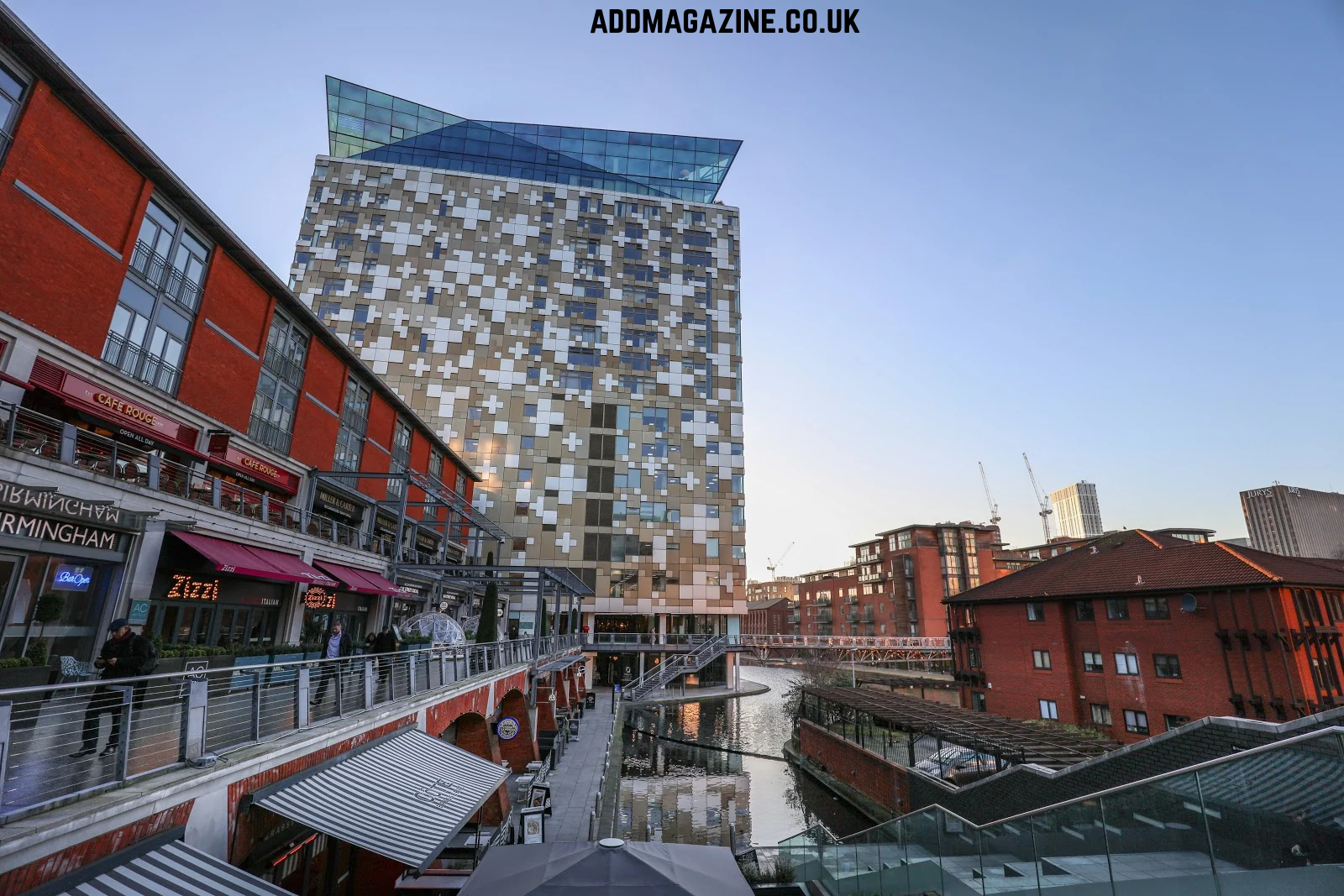
Stand on the canal bridge by the Mailbox on a Saturday morning and count the To Let boards hanging off the balconies opposite. You’ll run out of fingers quickly. If you’re coming up from London and eyeing a one or two bed somewhere in B1, that view tells you a fair bit before you’ve opened a single spreadsheet. A lot of people start by ringing round estate agents in Birmingham for London movers, and a decent one will tell you early on that city centre flats here behave nothing like the terraces in Kings Heath or the semis out in Sutton Coldfield. The sales figures back that up, once you know which ones to look at.
Sold Prices Tell a Quieter Story Than Asking Prices
Asking prices on Rightmove are hopes. The numbers I actually trust come from HM Land Registry’s Price Paid data, which shows what a flat in the Cube or a warehouse conversion off Vyse Street really sold for. It runs a couple of months behind and it won’t tell you about the flat that sat unsold all winter, but it’s the closest thing to the truth you’ll get for free.
What it’s shown for years is a city centre flat market that moves slowly. Houses in the suburbs have pulled well ahead, and plenty of the new-build flats sold off plan around Brindleyplace and the Mailbox haven’t grown in value the way their first owners hoped. The marketing suites don’t put that on the brochure.
Slow growth and weak demand are two different animals, though. People clearly want to live in the middle of Birmingham. The question is who’s buying, and how much they’re willing to pay for it.
Who’s Actually Signing the Contracts
Spend a few weekends at viewings along the canal near Gas Street Basin and you’ll start noticing the other people in the hallway. Some are landlords running the numbers on their phone before they’ve even seen the bathroom. Others are couples like you, often with a London deposit and a job that only wants them in the office a couple of days a week.
For a long time investors set the pace in B1 and B5. That’s shifted. The big build-to-rent towers in Southside and Digbeth now compete directly for the young professionals who’d once have rented a resale flat from a private landlord, and they come with gyms and a management team who actually answer emails. A small landlord with one flat in an older block struggles to match that, so fewer of them are bidding. HSBC UK moving its head office to Centenary Square kept a steady stream of renters coming into the centre, but renters don’t buy the flat.
What that means for you is less competition at viewings than you’d face for a two bed in Walthamstow. I’d use that.
Why Some Blocks Sell in Weeks and Others Sit for Months
Price matters less to me than how long a flat takes to sell, and in Birmingham’s centre that varies wildly from one building to the next.
A lot of it comes down to cladding. After Grenfell, plenty of the taller blocks needed EWS1 forms before lenders would touch them, and some are still working through remediation. A flat in one of those can look like a bargain on paper and then fall through three times because nobody’s buyer can get a mortgage. Service charges do the rest. I’ve seen near-identical two beds a few streets apart, one in a converted Jewellery Quarter works with a modest charge, the other in a tower with a concierge desk and lifts that eat the budget, and the first sold while the second was still being re-photographed.
So before anything else, I’d ask the agent for the last three years of service charge accounts and the building’s fire safety paperwork. If either takes more than a week to appear, that tells you something.
The Train Line Is in the Numbers Too
Flats within a short walk of New Street hold their value better than ones out past the ring road, and London buyers are a big reason why. Avanti gets you to Euston in well under an hour and a half on most services, and Chiltern from Moor Street to Marylebone is slower but kinder on the wallet if you’re only going down once a week.
Then there’s Curzon Street. The HS2 station in Eastside has been promised for years, and the opening date keeps drifting. The blocks around Masshouse and Eastside City Park priced in a fair amount of that optimism a long time ago. I wouldn’t buy there purely on the strength of HS2. If it arrives on time, lovely. If it doesn’t, you want a flat you’d still be happy to live in.
Final Thoughts
My read is that Birmingham city centre flats have quietly become a place to live rather than a bet. That’s no bad thing if you’re the one moving in. Meanwhile the regeneration around Paradise and the old wholesale markets site at Smithfield is carrying on regardless.
If I were coming up with a London deposit, I’d buy the best-run building I could find in the Jewellery Quarter and plan on staying at least five years. I’d also negotiate hard, because the sold figures suggest sellers have less room to say no than their asking prices pretend. The buyers who did well here were rarely the ones chasing the next big jump. They picked a good block near a station and stopped checking Rightmove.