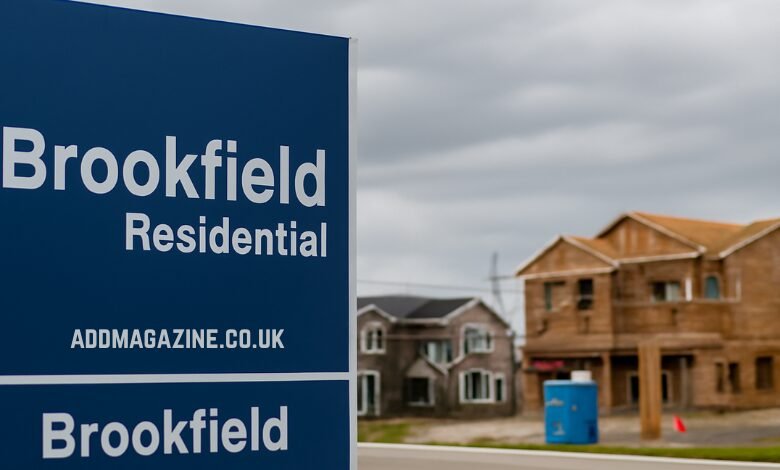
The pandemic caused by the coronavirus turned into a major challenge for many industries, and the residential‑real‑estate sector was no exception. Brookfield Residential, a large developer of new homes and communities, faced multiple layers of impact: health and safety issues, changes in how homes are marketed and delivered, disruptions in construction and supply chains, shifts in buyer behaviour and preferences, and adjustments in its corporate operations. In this article we explore how Brookfield Residential responded to COVID‑19, how its business was affected, and what long‑term implications can be drawn.
1. Immediate operational responses
When the coronavirus spread in early 2020, Brookfield Residential quickly had to adapt. On the construction side, job sites were subject to tighter health and safety protocols: reducing crew sizes, staggering shifts, increasing sanitation, limiting access to non‑essential personnel, and introducing contact‑less or remote inspections. On the sales and marketing side, the company ramped up virtual‑home tours, digital customer interactions, online design‑selections and remote closings. Marketing events and show‑home launches that in the past relied on large in‑person gatherings were reimagined with booked private visits or virtual alternatives. These changes were not just temporary fixes: they pointed to how the business model could evolve in the face of disruption.
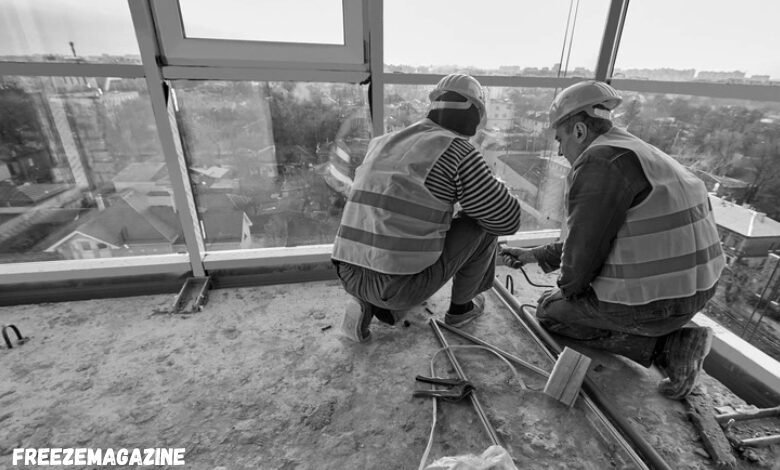
Brookfield’s focus on safety also extended to its workforce and subcontractors. Remote work arrangements were implemented where feasible, in‑person meetings were minimized, safety protocols on site were reinforced (for example daily health screenings, fewer overlapping shifts, and clear separation of teams). The aim was to ensure continuity of operations while protecting employees, trades‑workers and prospective home‑buyers.
2. Construction & supply‑chain disruption
One of the sharper challenges for Brookfield Residential during the pandemic was the construction impact. Lockdowns, travel restrictions, and social‑distancing requirements slowed or temporarily halted work on some sites. At the same time, material shortages (for example lumber, harsh weather plus supply‑chain delays), increased cost inflation, and shifting demand patterns put pressure on budgets and timelines.
Because of these disruptions Brookfield had to reassess project schedules, revise cost‑estimates, and in some cases delay completions or adjust sequence of home‑deliveries. Traditional workflows—such as having many trades working concurrently in confined spaces—became riskier, so the company rearranged crews, introduced staggered work shifts, expanded job‑site hygiene protocols, and leveraged remote inspections where possible.
The supply‑chain squeeze also meant that design centres and home‑buyers selecting finishes saw fewer options or longer lead times. Brookfield responded by increasing transparency: updating buyers via online portals, giving progress updates, and offering alternate delivery schedules. In effect, the pandemic accelerated Brookfield’s emphasis on flexibility: in build‑processes, supplier relations, and customer communications.
3. Marketing, sales and customer experience shifts
The way people looked for and bought homes changed because of the pandemic—and Brookfield Residential recognised that. With restrictions on in‑person visits, show‑homes and open houses, the company increased investment in digital tools: virtual tours, online booking of private visits, remote e‑design‑selections, e‑signing of documentation, digital closing where legal frameworks allowed. These changes allowed Brookfield to maintain buyer‑engagement even during peak restrictions.
Moreover, Brookfield tuned its messaging and product offerings. As more people worked from home, priorities shifted: more space, flexible rooms, home‑office capabilities, access to outdoors or low‑density neighbourhoods gained value. Brookfield incorporated those signals into its new‑home designs and marketing materials: highlighting quiet rooms, outdoor patios, adaptable interiors. By aligning its offerings with what buyers now sought, Brookfield managed not just survival but regained momentum in many markets.
An example: in one region, when in‑person show‑home traffic was limited, Brookfield allowed buyers to book small groups or solo visits by appointment and provided virtual walk‑throughs as an alternative. The company reported that demand remained strong in certain detached‑home markets despite the wider economy’s uncertainty.
4. Financial and market‑impact considerations
The pandemic posed both short‑term headwinds and medium‑term opportunities for Brookfield Residential. On the headwinds side: slower starts in early‑2020, some construction projects paused, increased costs and delays, conservative buyer behaviour in some segments, and greater uncertainty overall. These all had potential to reduce margins, stretch working capital, and slow growth targets.
However, on the opportunity side, certain segments of the housing market experienced strong demand: detached homes, suburban markets, larger lots, outdoor living space, and homes suited to remote working. Brookfield’s ability to pivot toward these helped it recover more quickly than some players. The company’s shift to digital‑first interactions and flexible build‑process gave it a competitive edge.
From a risk‑management perspective, Brookfield increased its scenario‑planning: modelling pandemic‑related delays, cost increases, labour shortages, changed buyer‑preferences. The awareness of “what if another wave comes” shaped budgeting, scheduling, supplier‑contracts and design choices. As a result, Brookfield came through the pandemic with fewer surprises than might have been expected in such a volatile environment.
5. Product evolution and design changes
The pandemic also changed how Brookfield thinks about “home”. Prior to COVID‑19 the emphasis in many new‑home communities might have been on open‑plan spaces, communal amenities, show‑homes, shared social spaces. But living through lockdowns taught lessons: private outdoor space became more important, rooms that can double as home‑offices were valued, high‑quality internet connectivity and flexible floor‑plans mattered more.
Accordingly, Brookfield Residential adjusted its product specs: including dedicated home‑office rooms or flex‑spaces, better acoustics, enhanced ventilation and UV‑filtering systems in some designs, private yard/patio space, and more emphasis on touch‑less fixtures or smart‑home features. The marketing of new communities emphasised “work‑from‑home ready”, “safe and healthy living”, “your space for life and work”.
In short, the pandemic didn’t just force operational or marketing changes—it influenced the very product roadmap for Brookfield. New‑home buyers now expect more from a home than just “two living rooms and three bedrooms”.
6. Community, corporate responsibility and workforce matters
Beyond business operations, Brookfield Residential ramped up its efforts in the realm of community support, employee welfare and supplier relations. Recognising that the pandemic was a social as well as an economic event, the company focused on maintaining workplace safety, supporting subcontractors (many of whom were small businesses facing cash‑flow stress), and communicating clearly with homeowners and prospects.
Employee health and morale became a priority. Remote‑work arrangements, mental‑health support, staggered shifts on site, extra hygiene protocols, and clear communication helped maintain workforce resilience. On the community side, Brookfield engaged in relief initiatives: supporting local hospitals or healthcare workers, donating PPE, or offering payment‑flexibility or negotiated timelines for home‑buyers affected by the pandemic.
This dual focus—on business continuity and social responsibility—helped Brookfield maintain its reputation and stakeholder trust during a period when many companies faltered. It also built a baseline of preparedness for future crises.
7. What worked, what didn’t, and lessons learned
What worked:
- Early pivot to digital tools for sales and customer engagement paid off.
- Flexibility in construction workflows (smaller crews, remote inspections, staggered schedules) helped keep projects moving.
- Aligning product design with new realities of home‑working and health helped Brookfield capture demand.
- Transparent communication with buyers, suppliers and trades built trust.
- Scenario‑planning and risk‑modelling improved resilience.
What didn’t work or remains challenging:
- Supply‑chain volatility: some delays and cost overruns proved unavoidable.
- Labour shortages and site‑productivity drops in some markets slowed delivery.
- Some markets experienced uncertainty in buyer behaviour: urban condo markets, for example, temporarily lost appeal relative to suburban detached homes.
- Predicting the “new normal” remains difficult: how much of the work‑from‑home trend will stay? How will housing preferences evolve further? Brookfield must continue to monitor and adapt.
Lessons learned:
- Real estate development needs built‑in flexibility: both in design and in process.
- Digital‑first customer experiences are no longer optional.
- Health, wellness and flexible living are growing in importance in residential product offerings.
- Strong supplier and contractor relationships, and diversified sourcing, reduce risk.
- Crisis management is now a core capability: developing protocols, remote‑work readiness, site‑health safety plans must be standard.
8. Long‑term implications for Brookfield Residential and the residential market
For Brookfield Residential the pandemic accelerated trends that were already under way. The move toward digital‑sales channels, virtual home tours, remote design‑selections and e‑closings has become mainstream. The product shift toward homes with dedicated offices, adaptable rooms and better indoor‑air quality is more than a temporary spike—it’s likely a sustained shift.
The broader residential‑market implications include: stronger demand for space and flexibility, a continued shift of buyer preference toward suburban or lower‑density communities, enhanced attention by buyers to health and wellness features in homes, increased importance of home‑office capabilities and connectivity. For Brookfield this means that site‑selection, community master‑planning, house‑plan types, amenity mix and marketing must reflect these realities.
For the company’s internal operations, the pandemic boosted its readiness for remote and hybrid work, improved crisis‑management planning, sharpened cost‑control in volatile conditions. These operational upgrades position Brookfield to handle future shocks more effectively.
Finally, from a financial‑perspective, Brookfield has shown that a well‑executed residential‑developer model can be resilient even in a major disruption. While uncertainty remains—interest rates, economic cycles, supply‑chain pressure—the experience of COVID‑19 gives Brookfield a stronger basis for decision‑making and risk‑mitigation going forward.
9. Regional Breakdown: Canada vs. US Performance
Canada: Impact and Recovery
Brookfield Residential operates across multiple regions in Canada, including Ontario and Alberta, where the residential market was significantly affected by COVID‑19 restrictions and economic uncertainty. In Canada, the impact was particularly pronounced during the early months of the pandemic (March to June 2020), when lockdowns severely limited in‑person activities, including home showings and site tours.
However, by mid‑2020, demand began recovering faster than anticipated, particularly in suburban areas where buyers were seeking larger homes, more outdoor space, and work‑from‑home accommodations. The pandemic’s effect on urban cores, including cities like Toronto and Vancouver, was more mixed. There was a temporary slowdown in high‑rise condo sales, as people became more cautious about communal living spaces due to health concerns. Conversely, detached homes and properties in more suburban developments saw a surge in interest.
Brookfield’s ability to pivot quickly to virtual sales processes, where prospective buyers could tour homes online, book one‑on‑one showings by appointment, and even close deals remotely, proved valuable. This helped them maintain a steady stream of transactions even during the height of restrictions. Moreover, the shift to flexible home designs—featuring more rooms for home offices and larger outdoor spaces—aligned with what buyers were increasingly seeking.
Financially, while there were some initial delays in construction, especially in areas with higher infection rates, Brookfield saw a strong recovery in the second half of 2020. By 2021, the Canadian market had not only rebounded but surpassed pre‑pandemic levels in many suburban regions.
United States: Impact and Recovery
In the U.S., Brookfield Residential operates in several key markets, including California, Texas, and Colorado. The impact of the pandemic in these regions was similarly profound but varied based on local lockdowns, economic support measures, and consumer sentiment.
In California, which faced one of the strictest lockdowns in the country, Brookfield Residential experienced significant challenges early in the pandemic. The construction industry faced delays as job sites were temporarily shut down, and many buyers hesitated due to uncertainty about the economy. However, demand quickly bounced back, especially in suburban areas of California like Orange County and Inland Empire, where homebuyers sought larger properties with dedicated spaces for working from home.
Texas, on the other hand, saw a much quicker rebound. Brookfield’s operations in cities like Austin, Dallas, and Houston benefited from the relatively less restrictive measures and the state’s reputation for affordable housing. Here, the demand for new homes surged, particularly in suburban communities, as buyers capitalized on historically low mortgage rates and sought homes that accommodated the new work‑from‑home lifestyle.
In Colorado, Brookfield Residential focused on catering to the growing demand for homes in suburban areas near Denver. The demand for single‑family homes in neighborhoods with good schools, parks, and ample outdoor space drove sales, especially in the second half of 2020. As with other regions, virtual tools for home tours and design consultations allowed Brookfield to continue engaging buyers and maintaining sales momentum despite restrictions.
10. Financial Performance: Resilience Amid Disruption
Sales and Revenue Performance
Despite the significant disruptions caused by the pandemic, Brookfield Residential’s financial performance showed notable resilience. In fact, the company’s revenue began recovering quickly after the initial shock in 2020, particularly in the suburban and detached home markets. The pandemic accelerated a number of pre‑existing trends, such as the shift toward remote work, which in turn influenced buying decisions.
Brookfield reported a 15‑20% increase in demand for single‑family homes, particularly in areas with lower population density. As virtual tools gained adoption, the company saw more buyers engaging with properties digitally before making in‑person visits. This led to increased sales in markets like Texas, Colorado, and parts of Ontario and Alberta.
From a financial standpoint, the company had to make significant adjustments in its financial models to account for delayed construction, labor shortages, and increased material costs. The construction delays were often offset by a strong rebound in market conditions and the pent‑up demand for homes once restrictions were lifted. The result was a net-positive recovery by 2021, with sales figures comparable to pre‑pandemic levels.
Despite the increased costs associated with the pandemic (e.g., higher material costs, safety protocols, delayed construction), Brookfield Residential maintained a strong balance sheet and sustained profitability through the implementation of cost-saving measures and adjustments to project timelines.
Cost Management and Profit Margins
Throughout the pandemic, Brookfield Residential faced cost inflation on materials such as lumber, steel, and copper, which affected its overall profit margins. However, the company quickly adapted by revising its supply chains, renegotiating supplier contracts, and using alternative materials where necessary. The shift to more suburban developments, which typically require less complex infrastructure, also helped mitigate costs compared to urban high-rise projects.
In response to these cost pressures, Brookfield streamlined its construction process and adopted more efficient practices on its job sites. These included reducing waste, improving logistics, and implementing new technologies to monitor progress and manage supply chain disruptions. While margins did face some pressure in 2020, Brookfield’s focus on high-demand suburban markets helped offset the cost increases, resulting in more stable profits by 2021.
11. Construction and Delivery Delays
While Brookfield Residential managed to maintain its financial health, the pandemic caused significant delays in construction schedules. These delays were largely a result of safety measures that slowed down on-site work, as well as disruptions in the supply chain that led to material shortages. Lumber shortages, in particular, became a major issue that significantly impacted costs and timelines for many builders across the residential sector.
For Brookfield, the impact was most felt in the spring and summer of 2020, when certain job sites had to close temporarily or operate at reduced capacity. However, the company adjusted by focusing on more flexible construction methods and prioritizing projects that were in the advanced stages of construction. They also implemented staggered shifts and remote inspection technologies, which helped maintain project momentum.
While this led to delays in some areas, by the end of 2020, Brookfield was able to get back on track with many projects, and by 2021, construction timelines were largely restored to pre‑pandemic levels.
12. Long-Term Outlook: The New Normal
Looking ahead, the pandemic has fundamentally altered the way Brookfield Residential—and the broader residential real estate industry—approaches development, sales, and marketing. The increased reliance on digital tools, such as virtual home tours and online design consultations, is expected to remain a staple of the business model moving forward. Furthermore, there will likely be an ongoing shift toward suburban developments, as buyers continue to prioritize space, outdoor access, and remote work capabilities.
In terms of product offerings, Brookfield will likely continue to focus on larger homes with more flexible spaces. As remote work remains a significant trend, homes that accommodate this lifestyle will likely remain a core part of the product portfolio.
The construction process will also continue to evolve. While the pandemic highlighted vulnerabilities in the supply chain, it also accelerated the adoption of more efficient building practices and technologies. Brookfield will continue to focus on minimizing delays, reducing material costs, and improving construction efficiency, which will be crucial for staying competitive in a rapidly changing market.
In conclusion, the pandemic forced Brookfield Residential to adapt quickly, but it also presented opportunities. The company’s ability to pivot to digital sales channels, address shifting consumer preferences, and adapt its construction practices has positioned it for long‑term success as the industry moves forward into a post‑COVID world.
Conclusion
The coronavirus pandemic was a stress‑test for many businesses, and Brookfield Residential passed it by adapting fast, focusing on health and safety, accelerating digital tools, shifting its product offering, and reinforcing its operations and supply‑chain. The result is a more resilient company, more attuned to changing buyer needs, and better prepared for future disruption.
As new‑home buyers now expect more than just location and price—expecting flexibility, health‑conscious features, digital engagement and work‑from‑home capability—Brookfield Residential is well‑positioned to respond. The pandemic didn’t just interrupt business—it reshaped how homes are built, sold and lived in. Brookfield’s response shows how a major residential developer can turn crisis into adaptation and opportunity.