You’ve booked the trek of a lifetime—Everest Base Camp and Island Peak are calling, and your camera is coming too. But capturing the raw beauty of the Himalayas isn’t as simple as point and shoot. Between freezing temperatures, unpredictable weather, and high-altitude exhaustion, even seasoned photographers can miss the shot.
That’s where the right photography tips for the Everest Base Camp trek and Island Peak climbing come in. Whether you’re carrying a DSLR or smartphone, knowing when and how to shoot can mean the difference between forgettable snapshots and frame-worthy images.
You’ll learn how to photograph golden sunrises, preserve battery life in sub-zero temperatures, and keep your equipment safe on rugged trails. These tips help you bring home more than memories—photos that truly tell the story of your Himalayan adventure.
Don’t let altitude or inexperience blur your experience. With the right approach, you can capture the grandeur of Everest and the triumph of Island Peak climbing in every frame. Let’s make sure your photos do justice to one of the most spectacular journeys on Earth.
Why Photography Matters on the Everest Base Camp and Island Peak Adventure
Preserving Your Journey Through the Khumbu Region
Trekking through the Khumbu region is more than a physical challenge—it’s an emotional and cultural journey. From Lukla’s bustling streets to quiet trails lined with mani stones, every step offers a story worth capturing. Photography helps you preserve these moments: the first glimpse of Everest, the flutter of prayer flags, and the smiles of fellow trekkers.
Sharing Your Story with Stunning Visuals
Photos are powerful storytelling tools. Whether you’re sharing on social media or creating a personal photo book, your images can inspire others. A well-composed shot of sunrise on Ama Dablam or the colorful market in Namche Bazaar can say more than words ever could.
Challenges of High-Altitude Photography
Shooting at high altitudes comes with unique challenges. Cold drains batteries, and intense sunlight can wash out images. Low oxygen affects focus and decision-making, making it harder to frame the perfect shot. Dust, snow, and unpredictable weather add to the complexity.
Safety Note: Always prioritize your health. If you experience altitude-related symptoms, consult your guide immediately.
What Camera Gear Should You Bring for Everest Base Camp and Island Peak?
Best Cameras for Trekking and Climbing Expeditions
Choose a camera that balances performance and portability. Lightweight mirrorless cameras (e.g., Sony Alpha, Fujifilm X-T series) are ideal. DSLRs offer excellent image quality but can be heavy. High-end smartphones can also deliver impressive results with manual settings.
Recommended Lenses for Landscape and Portrait Shots
- Wide-angle (16–35mm): Captures sweeping Himalayan landscapes.
- Standard zoom (24–70mm): Versatile for portraits and scenery.
- Telephoto (70–200mm): Useful if weight allows for isolating distant peaks.
- Prime lenses (35mm or 50mm): Great for low-light shots, especially inside monasteries.
Lightweight vs. Professional Gear: What to Prioritize
Every gram counts at altitude. For most trekkers, one or two versatile lenses are enough. Unless you’re a professional, skip heavy telephotos. A compact camera with manual controls or a lightweight mirrorless setup is perfect.
Essential Accessories: Tripods, Batteries, and Memory Cards
- Bring 2–3 extra batteries (cold drains power fast).
- Use high-capacity memory cards (64GB+).
- Carry a lightweight travel tripod for sunrise and night photography.
- Include lens cloths, ND filters, and a rain cover.
How to Protect Your Photography Equipment in Harsh Himalayan Conditions
Weatherproofing Your Camera and Lenses
Himalayan weather shifts quickly. Choose weather-sealed bodies and lenses if possible. Use rain covers or zip bags in emergencies. Pack your camera in a padded, waterproof bag.
Battery Life in Sub-Zero Temperatures
Cold is the enemy of battery life. Keep spare batteries in an inner jacket pocket and rotate often. Turn off Wi-Fi and GPS. For smartphones, carry a power bank and keep it insulated.
Safe Storage and Carrying Solutions
Use a padded camera cube inside your backpack. Chest harnesses allow quick access. Avoid hanging your camera around your neck during long trails. Add silica gel packets to reduce moisture.
Best Photography Locations on the Everest Base Camp Trek
Lukla to Namche Bazaar: Capturing the Journey’s Start
From the dramatic Lukla landing to suspension bridges lined with prayer flags, this section offers plenty of early photographic opportunities. Morning light enhances the scenery.
Tengboche Monastery: Spiritual and Scenic Views
Capture the monastery framed by Ama Dablam. Sunrise or sunset provides soft light. Photograph monks in prayer or the vibrant architecture—but always respectfully.
Kala Patthar: The Ultimate Everest Sunrise Shot
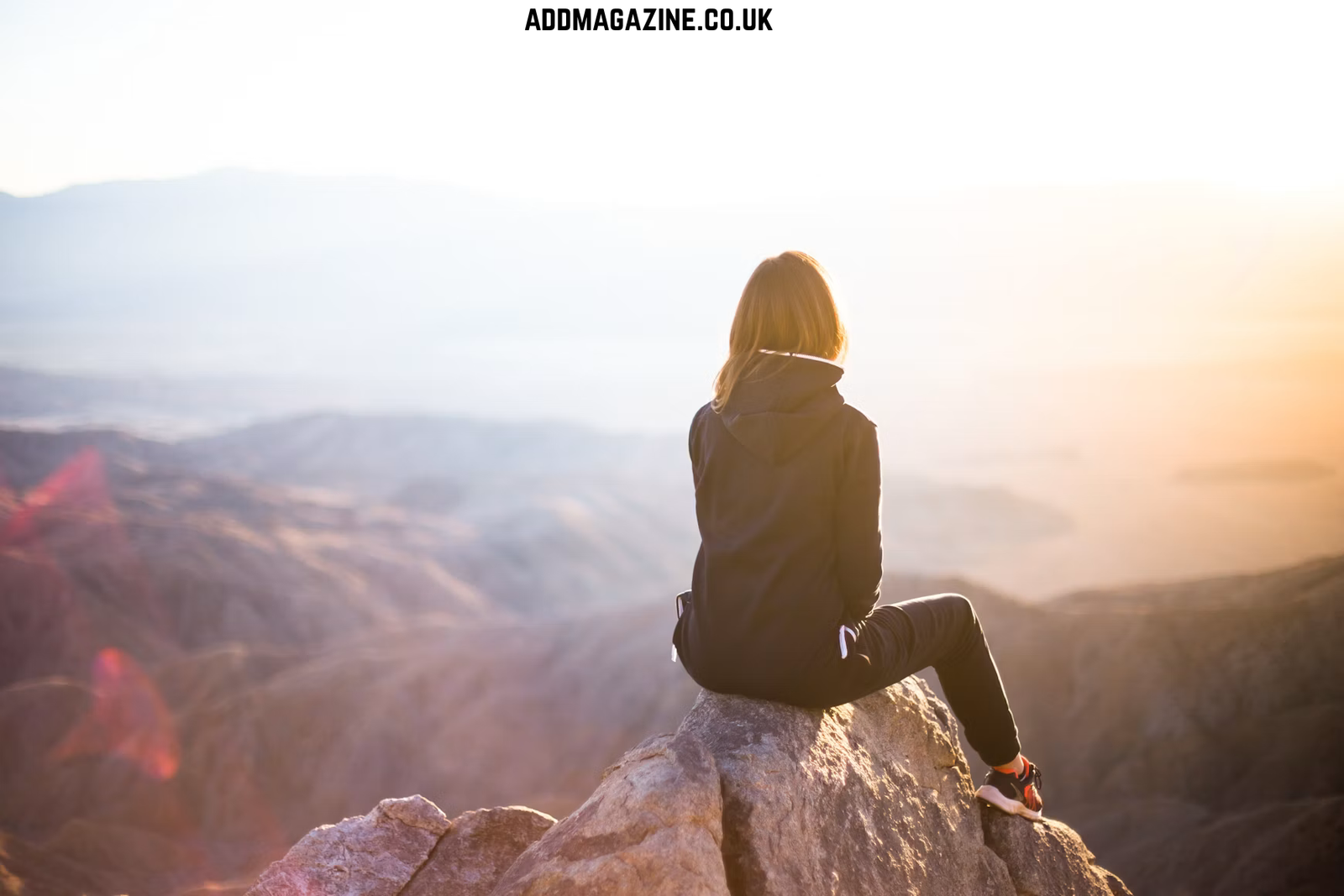
Kala Patthar offers the best panoramic views of Everest. Start very early to catch golden hour. Use a wide-angle lens and consider a tripod for stable low-light shots.
Acclimatization Note: Only attempt Kala Patthar after proper acclimatization.
Gorak Shep and Everest Base Camp
Shoot Gorak Shep’s lunar-like landscape and EBC’s bright tents against the Khumbu Icefall. Use human subjects for scale.
How to Take Stunning Photos While Climbing Island Peak
Managing Your Camera While Using Climbing Gear
Safety first. Use a compact camera or action cam mounted to your helmet or chest. Avoid handling gear on exposed sections.
Capturing the Summit Experience Safely
Summit conditions can be harsh and time is limited. Use aperture priority or shutter priority mode for quick shooting. Capture wide views and a few personal moments.
Practice using your camera with gloves before the climb.
Using Action Cameras and Mounts
GoPros and similar cameras are ideal for documenting the climb. Use burst or time-lapse modes. Ensure mounts are secure and carry insulated spare batteries.
Composition and Lighting Tips for Himalayan Landscapes
Framing Mountains, Prayer Flags, and Local Life
Add depth using foreground elements like prayer flags or stupas. Use leading lines like trails or rivers. Low-angle shots emphasize scale.
Golden Hour and Blue Hour in the Himalayas
Sunrise and sunset provide the best lighting. The golden hour adds warmth; the blue hour brings soft, moody tones. Apps like PhotoPills help you plan.
Using Natural Light and Shadows
High-altitude light is intense. Use shadows for drama. Side lighting highlights texture. Avoid midday shoots when light is harsh; use a polarizing filter if needed.
Ethical and Cultural Considerations in Trekking Photography
Asking Permission Before Photographing Locals
Always ask before photographing people. Learn simple Nepali phrases to show respect. Never photograph children without parental consent.
Respecting Sacred Sites and Monasteries
Remove shoes before entering monasteries. Avoid flash. Don’t photograph inside unless allowed. Follow your guide’s cues.
Minimizing Environmental Impact
Stay on trails. Don’t damage vegetation for a better angle. Avoid single-use plastics and leave no trace.
Post-Trek Photo Editing and Sharing Tips
Recommended Editing Tools
Use Lightroom or Snapseed for clean, natural edits. Stick to color and exposure adjustments—avoid heavy filters.
Organizing and Backing Up Images
Sort photos by day or location. Back up using cloud storage and external drives. Tag your best shots.
Sharing Your Trek Story
Share your journey through Instagram, Facebook, or blogs. Use relevant hashtags such as #EverestBaseCamp or #IslandPeakClimb. Write captions that add context.
FAQs: Photography on Everest Base Camp Trek and Island Peak Climb
Can I use a drone on the Everest Base Camp trek?
Drones are banned in Sagarmatha National Park without a special permit. Unauthorized use can result in fines or confiscation. Apply for permits in advance via the Civil Aviation Authority of Nepal (CAAN).
How do I charge my camera batteries on the trail?
Teahouses offer charging for a small fee. Bring a universal adapter and power bank. Solar chargers help but depend on weather.
Is a smartphone camera enough for this trek?
High-end smartphones perform well in good lighting. Use manual modes and a tripod or gimbal. For low-light or zoom shots, a dedicated camera performs better.
Conclusion
Capturing the Everest Base Camp trek and Island Peak climb is about more than gear—it’s about storytelling. From understanding high-altitude light to composing emotional, meaningful shots, preparation matters.
Balance photography with presence; some moments deserve to be lived first. Embrace early light, protect your gear, and let your images reflect the spirit of your adventure.
Don’t just take photos—use them to tell your Everest story.