Hard water is a daily reality for much of the UK, affecting over 60% of households. While it’s safe to drink, the mineral content in hard water can gradually create problems inside bathrooms — from chalky residue on taps to reduced efficiency in showers and appliances. Over time, these issues lead to higher cleaning effort, more wear on fixtures, and unnecessary maintenance costs.
Why Bathrooms Show Hard Water Problems First
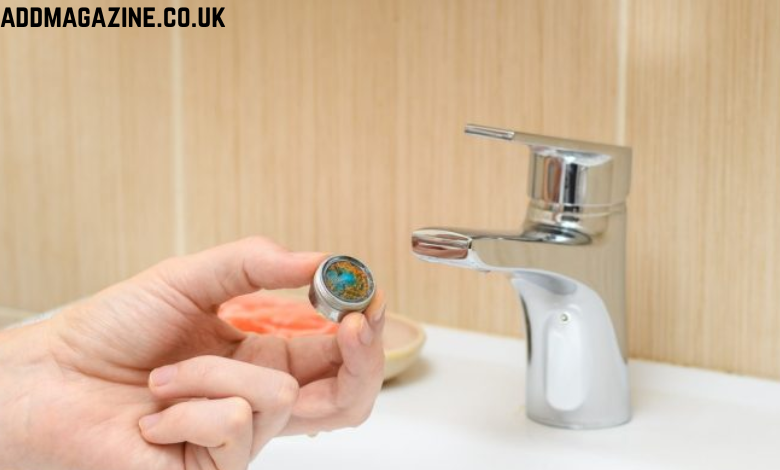
Bathrooms tend to suffer before other areas of the home because water is constantly evaporating from surfaces. When this happens, minerals are left behind, creating residue that can build up on:
- Shower screens
- Taps and mixers
- Tiles and grout
- Showerheads
These mineral deposits don’t disappear on their own. While traditional water softeners rely on salt exchange, they introduce environmental downsides that many homeowners now want to avoid — including salt discharge and water waste.
This is where salt-free water conditioning offers a more sustainable path forward.
How No-Salt Water Conditioners Actually Work
A no-salt water conditioner does not remove minerals from the water. Instead, it changes how minerals behave, reducing their ability to bond to surfaces as water flows through your plumbing system.
The result is:
- Reduced scale formation throughout the bathroom
- Mineral-rich water remains unchanged
- No salt, no chemicals, and no refills
Because minerals are still present, you may still notice a light, chalk-like residue where water dries. The key difference is that this residue is less sticky and easier to wipe away, making routine cleaning faster and less aggressive.
Zero Maintenance, Zero Chemicals, Zero Salt
Unlike salt-based softeners, modern water conditioners are designed to be completely hands-off. Once installed on the incoming mains supply, the system:
- Requires zero maintenance
- Needs zero attention once installed
- Uses no salt or chemical refills
- Produces no wastewater or discharge
For homeowners who want a fit-and-forget solution that aligns with eco-friendly living, this is a major advantage — particularly in bathroom environments where scale exposure is constant.
Bathroom-Focused Protection Without Harsh Treatment
In bathrooms, the benefits of conditioned water show up quickly:
- Reduced buildup on shower glass and taps
- Fewer showerhead blockages over time
- Easier cleaning with standard products
- Less abrasive scrubbing required
Fixtures and fittings also benefit from reduced levels of scale, which can lower mechanical stress on internal components such as thermostatic valves and mixers.
For properties with electric showers or combi boilers, reducing scale formation helps systems operate more efficiently by limiting mineral coating on heating elements.
Choosing the Right No-Salt System
Not all water conditioners are built the same. System size, flow rate, and household demand all matter — especially in multi-bathroom homes.
For larger properties or higher water usage, some homeowners explore options like this system —
👉 click for details — which is designed to handle higher flow demands while maintaining consistent conditioning performance.
Others prefer systems specifically developed for domestic use across UK households, such as this no-salt water conditioner UK option:
👉 no-salt water conditioner UK
Both approaches focus on reducing scale formation without removing minerals, offering an environmentally responsible alternative to traditional softening.
Why More UK Homes Are Moving Away from Water Softeners
Salt-based water softeners are increasingly viewed as outdated due to:
- Salt discharge into wastewater
- Increased sodium levels
- Ongoing refills and maintenance
- Water wastage during regeneration
Water conditioners avoid these drawbacks entirely, making them appealing to families seeking to reduce salt intake by avoiding water softeners, while still managing the practical issues caused by hard water.
A Smarter Long-Term Bathroom Upgrade
Managing hard water doesn’t require harsh treatment or constant upkeep. With a properly sized, no-salt water conditioning system, UK homeowners can reduce scale formation throughout their bathrooms while keeping their water mineral-rich and unchanged.
The outcome isn’t perfection — but it is noticeably reduced buildup, easier cleaning, and fixtures that last longer with less effort. For modern homes focused on sustainability, this approach simply makes sense.