Technology has changed the way we communicate, shop, and even relax. Now it’s changing the way we take care of our health. Wearables and IoT devices are becoming a big part of modern fitness routines.
From smartwatches that track your heart rate to connected gym equipment that monitors your progress in real time, these tools are shaping the future of personal wellness.
In this blog, we’ll explore how wearables and IoT are transforming fitness, why they matter, and what the future might look like.
So, let’s begin!
What Are Wearables and IoT in Fitness?
Wearables are small devices you can wear on your body. For example, smartwatches, fitness bands, rings, or even smart clothing. They collect data like steps, calories burned, sleep quality, and heart rate.
IoT means everyday devices that connect to the internet and share data. When wearables and IoT come together, they create a connected fitness ecosystem that helps users track, understand, and improve their health.
Why Connected Fitness Is Becoming More Popular?
1. Real-time data tracking
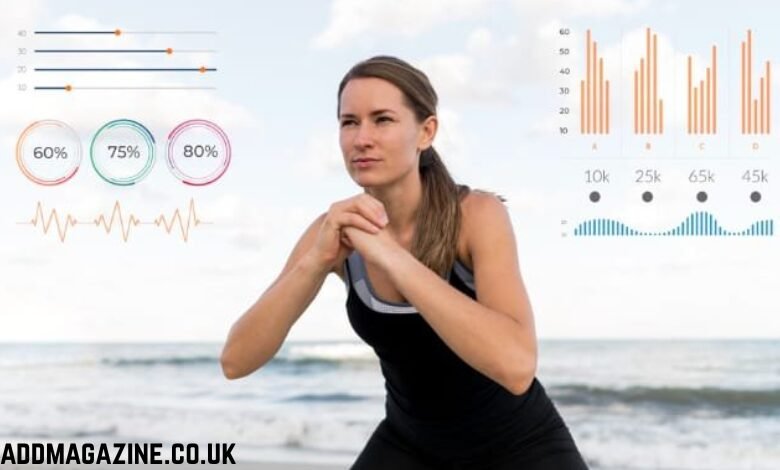
One of the biggest benefits of wearable devices is access to real-time data. You can see how fast your heart is beating, how far you’ve run, or how many calories you’ve burned, right as it’s happening. This immediate feedback helps keep you motivated, encourages you to push a little harder, and helps you know your body better.
2. Better personalization
Everyone has different fitness levels, goals, and health needs. IoT devices use your data to create personalized workout recommendations. Instead of following generic fitness plans, you get guidance that fits your body and lifestyle.
For instance, smartwatches adjust daily step goals, connected bikes adjust resistance based on progress, and apps suggest workouts based on your recovery level. This level of personalization makes fitness feel more achievable.
3. Improved accountability
When your wearable device tracks every step, it becomes really easier to stay consistent. Many wearables send reminders when you’ve been sitting too long or haven’t met your daily activity goals.
Some apps allow you to join fitness challenges, share progress with friends, and set up daily or weekly goals. Accountability can be a powerful motivator, especially for people who struggle to stay active.
How IoT Is Changing Gyms and Home Workouts?
Connected fitness isn’t limited to wearables. IoT is also transforming gyms and home equipment. Let’s have a look at them:
● Smart home gyms
Devices like Peloton bikes or Mirror workout screens use IoT technology to track performance, stream workouts, and adjust routines automatically. This makes home workouts feel interactive and engaging.
● Connected gym equipment
Many gyms now feature machines that track your reps, weight used, and workout duration. Your progress is stored in an app, giving you a clear view of how you’re improving.
● Automatic syncing
Everything from your smartwatch to your smart scale can sync with a single app. This gives you one dashboard where you can monitor your overall wellness. This makes fitness easier to manage.
The Future of Connected Fitness
The world of wearables and IoT is still growing. We can expect even more advanced features in the near future. For example, smart clothing that tracks muscle activity, fully connected smart gyms that personalize every workout, and virtual fitness coaches powered by AI.
These innovations will make fitness more accessible, more personalized, and more effective than ever before. So, if you are looking for a better fitness solution powered by IoT, then it is vital to consult with a fitness app development company.
Final Thoughts
Wearables and IoT are reshaping the fitness world in a big way. They make it easier to track our health, stay motivated, and understand our bodies. Whether you’re trying to lose weight, build muscle, or simply stay active, connected fitness tools can help you reach your goals more efficiently.
As technology continues to improve, the future of fitness looks smarter, more connected, and more personalized. Now is the perfect time to embrace these tools and take control of your health journey.