Keeping long hair is not an overnight achievement. It’s a gradual process that reflects discipline, routine, and a clear understanding of what works for your lifestyle. While many people admire long hair, fewer are willing to invest the time needed to keep it healthy. Length alone is not the goal—strength, shine, and manageability matter just as much.
Instead of chasing trends, focusing on habits that support hair health will help you enjoy your length without constant breakage or frustration. Long hair is an investment, and like any investment, it requires patience, consistency, and the right strategies.
Choosing Styles That Support Healthy Length
Styling long hair doesn’t mean exposing it to daily damage. The smartest long hair styles are those that look good while minimizing stress on the strands. Low-maintenance styles like loose ponytails, soft braids, or relaxed buns reduce pulling and friction.
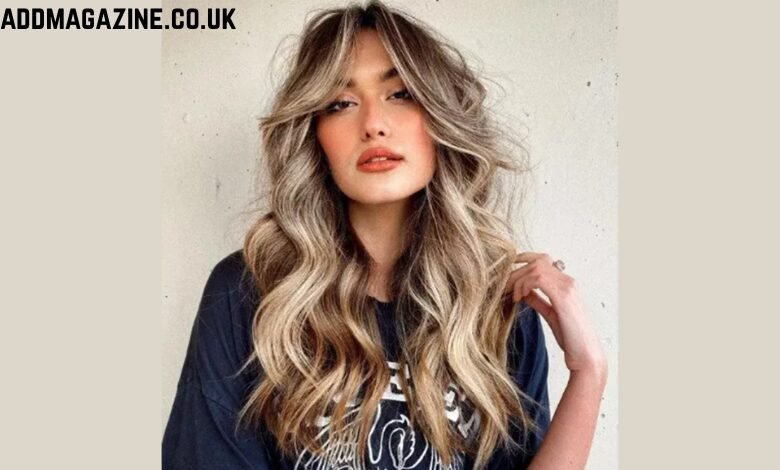
For those who enjoy wearing hair down, natural texture is your friend. Enhancing your natural wave or straight pattern avoids excessive heat use. Face-framing layers are another practical option, adding shape while keeping the bulk manageable. Adding subtle highlights or balayage can give dimension without requiring frequent styling, which keeps hair healthier over time.
Protective styling is especially helpful during busy weeks. Styles that keep the ends tucked away help prevent split ends and reduce exposure to dryness caused by weather and pollution. For instance, a simple twisted bun or a French braid protects hair while adding elegance. Evening styles like loose chignons or soft braids are gentle, versatile, and protect hair from overnight friction.
Even casual looks can benefit from protective habits. Wearing hair half-up reduces friction from clothing and backpacks, while silk scarves or pillowcases at night help reduce tangling and breakage. For people active in sports or outdoor activities, high buns or braids not only keep hair manageable but also prevent sun or wind damage.
Hair Care Starts With the Scalp
Many people focus only on the visible length, forgetting that healthy hair begins at the scalp. A neglected scalp can lead to weak growth, excessive shedding, and dull-looking strands.
Gentle cleansing keeps follicles clear and balanced. Overwashing strips natural oils, while under-washing causes buildup. Finding the right rhythm for your hair type makes a noticeable difference over time. Using a mild shampoo from a trusted brand like Dove once or twice a week can help maintain moisture without heaviness. Those with oily roots might need to wash slightly more frequently, while dry scalps benefit from spacing out washes and using moisturizing shampoos.
Scalp massages are another underrated habit. Just a few minutes during washing improves circulation and helps distribute natural oils along the hair shaft. Massaging with fingertips (not nails) can stimulate growth, reduce tension headaches, and promote relaxation—an added bonus for overall well-being. If you are dealing with hair loss, consider Hair Revive Therapy, an effective, non-surgical solution that encourages natural hair growth.
Moisture Management for Long Hair
As hair grows longer, it becomes harder for natural oils to reach the ends. This makes moisture care essential. Conditioner should never be skipped, especially for mid-lengths and ends where dryness usually begins.
Weekly deep conditioning restores elasticity and softness. This step is particularly useful if your hair feels rough or tangles easily. Lightweight leave-in products can also help protect against daily wear and tear without weighing hair down. Serums or sprays with natural oils like argan or jojoba offer extra shine and protection.
Avoid applying heavy products directly to the scalp unless dryness is an issue. Keeping moisture balanced prevents limp roots while nourishing the length. Seasonal adjustments also help. In winter, adding a richer hair mask once a week can prevent brittleness caused by dry indoor heat. In summer, lightweight moisturizers help combat sun and saltwater exposure.
Everyday Mistakes That Slow Hair Progress
Some habits quietly sabotage long hair goals. Brushing hair roughly, especially when wet, weakens strands over time. Detangling gently from the ends upward prevents unnecessary breakage. Wide-tooth combs or detangling brushes are ideal for long hair.
Another common mistake is tight styling. Constant tension from tight ponytails or buns can cause thinning around the hairline. Rotating styles and using soft hair ties reduces this risk. Avoid rubber bands or any accessory that pulls sharply. Hair clips or claw clips are gentler alternatives.
Heat tools are not the enemy, but overuse is. Limiting heat styling and allowing hair to rest between sessions helps preserve strength and shine. When heat styling is necessary, always use a heat protectant spray, and avoid using the highest temperature unless absolutely required. Air-drying or diffusing at low heat is often enough for most styles.
Nutrition’s Role in Hair Strength
Hair health reflects what happens inside the body. Diets lacking protein, iron, or essential fats often show results through dull or fragile hair. Including eggs, nuts, leafy greens, and fish in your meals supports natural growth. Supplements like biotin, vitamin D, or omega-3s can help if dietary intake is insufficient, but real food should always be the foundation.
Hydration is just as important. Drinking enough water keeps hair flexible and less prone to snapping. Long hair benefits greatly from consistent hydration, both internally and externally. Herbal teas, water-rich fruits, and broths can also contribute to hair hydration.
Stress also plays a role. High stress levels can disrupt growth cycles, leading to increased shedding. Prioritizing rest and balance supports both hair and overall well-being. Practices like yoga, meditation, or even short walks help reduce stress and improve circulation, indirectly supporting hair health.
A Simple Long Hair Care Guide That Works
An effective long hair care guide doesn’t need complicated steps. Washing hair at reasonable intervals, conditioning consistently, and trimming every few months keeps hair manageable and healthy.
Trimming doesn’t mean losing progress. Removing damaged ends prevents splitting and helps hair appear thicker and smoother. Even minimal trims can make long hair easier to style. Some people find micro-trimming every 6–8 weeks is enough, while others may prefer longer intervals, depending on hair growth rate and damage level.
Occasional oil treatments help restore softness, especially for dry ends. Natural oils applied lightly before washing can improve texture without buildup. Brands like Tresemmé also offer conditioners designed to support longer lengths when used correctly.
Incorporating simple habits like wide-tooth combing, protective styling, and nightly hair care routines ensures long hair stays strong and healthy. Keeping a small spray bottle of water or leave-in mist can help refresh hair during busy days without adding extra heat or friction.
Long Hair as Part of Your Personal Style
Long hair becomes easier to manage when it fits into your lifestyle. Choosing styles and routines that align with your daily schedule reduces frustration and makes care feel natural rather than forced.
Confidence plays a big role. When hair is cared for properly, it becomes an extension of personal style rather than a daily challenge. Patience, consistency, and realistic expectations are the foundation of long-lasting results. Whether worn in simple ponytails, intricate braids, or sleek down styles, long hair reflects discipline and care.
With the right combination of long hair styles, hydration, nutrition, and consistent routine, maintaining long, healthy hair is an achievable goal. It requires dedication, but the results—shiny, manageable, and strong strands—make every effort worthwhile.
.