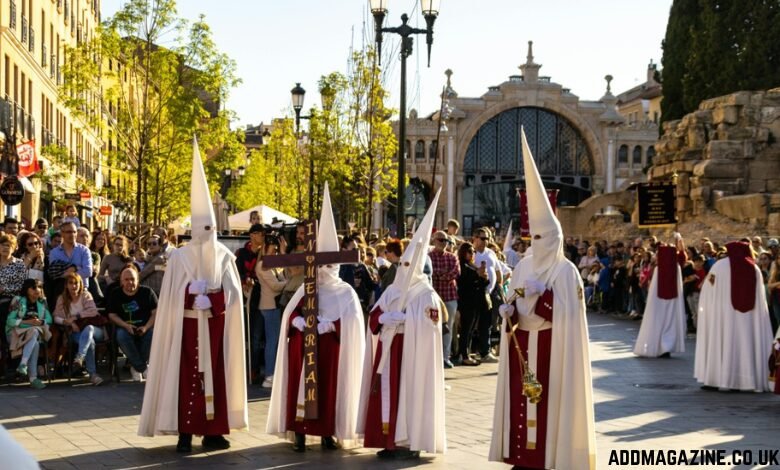
Semana Santa, or Holy Week, is a significant religious and cultural observance in many countries, particularly in Spain and Latin America. It spans a full week, honoring the suffering, crucifixion, and resurrection of Jesus Christ. In 2026, Semana Santa will take place from March 29 to April 4. This period is marked by processions, religious ceremonies, and various cultural events, making it one of the most important times of the year for Catholics around the world.
What is Semana Santa?
Semana Santa refers to the week leading up to Easter Sunday, during which Christians around the world reflect on the final days of Jesus Christ’s life. This period is a time for prayer, reflection, and penance, as it includes commemorations of key events such as the Last Supper, the Crucifixion, and the Resurrection.
The observances vary from region to region, but many countries, especially Spain and Mexico, hold large and elaborate processions and religious celebrations. These events are deeply rooted in tradition and offer a unique glimpse into the cultural and religious practices of these communities.
Semana Santa 2026 Dates
For 2026, Semana Santa will begin on Palm Sunday, March 29, and end on Easter Sunday, April 4. Here is an overview of the essential dates to note for Semana Santa.
- Palm Sunday (Domingo de Ramos): March 29, 2026
- Holy Monday (Lunes Santo): March 30, 2026
- Holy Tuesday (Martes Santo): March 31, 2026
- Holy Wednesday (Miércoles Santo): April 1, 2026
- Maundy Thursday (Jueves Santo): April 2, 2026
- Good Friday (Viernes Santo): April 3, 2026
- Holy Saturday (Sábado Santo): April 4, 2026
- Easter Sunday (Domingo de Resurrección): April 5, 2026
Semana Santa 2026 in Spain
In Spain, Semana Santa is celebrated with great devotion and fervor, especially in Andalusia. The most famous processions take place in cities such as Seville, Málaga, and Granada, where religious brotherhoods (hermandades) organize elaborate processions with floats carrying religious images. These images represent key figures from the Passion of Christ, including Christ Himself, the Virgin Mary, and various saints.
The processions are a blend of devotion, artistry, and cultural heritage. Thousands of people take to the streets, many of them dressed in the traditional robes of the brotherhoods, while others watch the events unfold from the sidelines. In cities like Seville, the processions can last for hours, with participants carrying heavy floats through narrow, cobbled streets. The religious significance of Semana Santa is evident in the solemnity and reverence shown by participants, while the stunning displays of art and craftsmanship on the floats showcase the deep cultural ties to this event.
Key Dates for Semana Santa 2026 in Spain:
- March 29: The festivities begin with the procession of Palm Sunday in Seville and other cities. This marks the start of Holy Week and is one of the most important events.
- March 30–April 3: The days leading up to Good Friday are filled with various processions and religious services, including the famous “La Madrugá” in Seville, which takes place on the night of Holy Thursday into Good Friday.
- April 3: Good Friday, the most solemn day of Semana Santa, is marked by the most intense and emotional processions, commemorating the Crucifixion of Jesus Christ.
- April 4: The festivities end with the joyful celebration of Easter Sunday, marking the Resurrection of Christ.
Semana Santa 2026 in Mexico
In Mexico, Semana Santa is a major religious and cultural event. The celebrations are especially significant in places like Oaxaca, Iztapalapa, and Taxco, where elaborate reenactments of the Passion of Christ take place. One of the most notable events is the reenactment of Christ’s crucifixion in Iztapalapa, Mexico City, which has been held for over 170 years and attracts thousands of spectators.
In addition to processions, many towns and cities hold special church services, including the “Vía Crucis” (Way of the Cross) and other religious rituals that mark the events of Holy Week. The atmosphere during Semana Santa in Mexico is a blend of religious devotion, cultural traditions, and community celebrations.
Key Dates for Semana Santa 2026 in Mexico:
- March 29: Palm Sunday celebrations mark the beginning of Semana Santa in Mexico. This includes church services and processions, with the blessing of palm branches.
- March 30–April 3: Various processions and religious ceremonies are held, especially in towns with a strong tradition of Semana Santa observance.
- April 3: Good Friday is marked by the reenactment of the Passion and Crucifixion of Christ. Many cities host dramatic performances, with some, like Iztapalapa, featuring large-scale reenactments.
- April 4: Easter Sunday is a joyous occasion in Mexico, celebrating Christ’s Resurrection with church services, feasts, and community gatherings.
Religious and Cultural Significance of Semana Santa
Semana Santa transcends a mere religious event, serving as a profound cultural and spiritual celebration. It is a time for families and communities to come together and reflect on their faith and cultural heritage. In both Spain and Mexico, Semana Santa is a time when the deep-rooted Catholic traditions and local customs merge, creating a unique atmosphere of reverence and festivity.
In Spain, Semana Santa has its origins in the medieval period, and the traditions have been passed down through generations. And In many places, the processions are led by religious brotherhoods (cofradías) that have existed for centuries. These organizations are responsible for organizing the processions, maintaining the religious images, and ensuring that the ceremonies run smoothly.
In Mexico, Semana Santa is a reflection of the country’s blend of indigenous traditions and Catholicism. The reenactments of the Passion, as well as the many regional festivals and rituals, reflect the country’s deep cultural diversity and commitment to preserving these traditions.
Semana Santa 2026 Calendar
For those planning to attend or participate in Semana Santa events, having a clear understanding of the dates is essential. Here is a summary of the Semana Santa 2026 calendar for both Spain and Mexico:
- March 29, 2026 (Palm Sunday): The start of Semana Santa celebrations.
- March 30–April 2, 2026 (Holy Week): The days leading up to Good Friday, with various processions, church services, and celebrations.
- April 3, 2026 (Good Friday): The most solemn day of Semana Santa, with intense processions and commemorations of the Passion of Christ.
- April 4, 2026 (Easter Sunday): The joyous celebration of the Resurrection of Christ, marking the end of Semana Santa.
The Global Appeal of Semana Santa
While Semana Santa is most widely celebrated in Spain and Latin America, it has a global reach and is observed in various forms around the world. Catholic communities in countries like the Philippines, Italy, and Guatemala also commemorate Holy Week with various rituals, processions, and religious services. The universal theme of Semana Santa—remembering the suffering, death, and resurrection of Jesus Christ—resonates across cultures and languages, uniting Catholics worldwide.
In the Philippines, Semana Santa is observed with a mix of solemn rituals and public processions, particularly in areas like San Fernando and Manila. One of the most notable events is the “Pabasa,” a continuous chanting of the Passion narrative, which takes place in many Filipino communities. In addition to church services and processions, some Filipinos engage in acts of penance, including self-flagellation and crucifixion reenactments, though these practices are controversial and have been scrutinized in recent years.
In Italy, particularly in cities such as Rome and Florence, Semana Santa is a deeply religious observance, with the Pope leading the Vatican’s Good Friday and Easter services. The city of Sorrento is known for its dramatic processions and religious pageants, while in other towns, people participate in large-scale events such as the Via Crucis (Way of the Cross) processions.
Semana Santa: A Time of Reflection, Family, and Tradition
For many, Semana Santa is also an opportunity to spend time with family and community. In Spain, especially in cities like Seville, families come together to watch the processions, while in Mexico, Semana Santa is often a time for people to return to their hometowns to celebrate with loved ones. The religious services and public events often include meals and gatherings that foster a sense of unity and shared experience.
In Spain, the tradition of Semana Santa has become ingrained in local culture, especially in Andalusia, where the tradition dates back hundreds of years. The processions are meticulously organized and involve the entire community. People of all ages participate in carrying the floats, singing hymns, and joining in prayers. This sense of participation extends beyond religious devotion to include an expression of local identity and pride.
In Mexico, Semana Santa is equally important, and many families take part in local processions and attend church services. The significance of Semana Santa is not only religious but also deeply cultural. In regions like Oaxaca and Iztapalapa, the week is filled with events that reflect both the Catholic faith and local indigenous traditions. The dramatized reenactments of Christ’s Passion, often performed in public spaces, are a powerful expression of Mexican religious life and artistic tradition.
Semana Santa’s Influence on Art, Music, and Literature
Semana Santa has a significant influence on art, music, and literature, particularly in Spain and Latin America. The week-long observances provide opportunities for artists, musicians, and performers to express the depth of religious devotion and cultural heritage associated with the event.
In Spain, Semana Santa has inspired countless works of art, from paintings and sculptures to the intricate design of the floats used in the processions. Many of these works reflect the Catholic faith’s reverence for Christ’s suffering and death, with depictions of the Crucifixion, the Last Supper, and the Virgin Mary’s sorrowful expressions.
Music also plays a vital role in Semana Santa celebrations. In Seville and other Andalusian cities, religious processions are accompanied by hauntingly beautiful music performed by local brass bands and choirs. The sounds of traditional religious music, such as “saetas” (flamenco-style prayers), add an emotional depth to the solemn atmosphere of the week.
In literature, Semana Santa has been a frequent subject, particularly in Spanish and Latin American works. The events of Holy Week, with their themes of sacrifice, redemption, and resurrection, have inspired countless novels, poems, and plays that explore these religious and emotional themes.
Tourism During Semana Santa
Semana Santa is not only a religious observance but also a major event for tourism, especially in countries like Spain and Mexico. The public processions, cultural events, and local traditions draw millions of tourists each year. In cities like Seville, Malaga, and Granada, the streets fill with visitors from around the world who come to witness the pageantry and experience the deep-rooted religious traditions.
For visitors, Semana Santa presents an exceptional chance to experience the fusion of faith, tradition, and communal spirit, a rarity outside this time. The processions are open to the public, and visitors can experience the passion and devotion of the local people as they participate in or observe the events. Additionally, many regions offer special Semana Santa tours that provide insights into the history and significance of the observances.
In Mexico, places like Oaxaca, Iztapalapa, and Taxco also see a surge in visitors during Semana Santa, with people coming from all over to watch the reenactments and participate in the local traditions. Many Mexican cities hold festivals, concerts, and other cultural events that make Semana Santa a vibrant celebration of both religious devotion and local customs.
Practical Considerations for Semana Santa 2026
If you plan to visit Spain, Mexico, or any other country that celebrates Semana Santa in 2026, it’s important to prepare for the events, as the celebrations can have a significant impact on daily life. Many businesses close or operate on reduced hours, especially on Good Friday and Easter Sunday. Public transport can also be affected, particularly in cities with large processions, where roads are blocked off for the events.
It is also worth noting that during this time, many accommodations may be booked well in advance, as both locals and tourists flock to cities with major Semana Santa celebrations. Booking your travel and accommodations early can help ensure that you secure a spot during the busy period.
For those attending the processions, it’s important to dress appropriately. In many cities, participants in the processions wear traditional robes or costumes, while observers are often expected to dress modestly and respectfully. It’s also advisable to arrive early to get a good view of the processions, as they can draw large crowds.
Conclusion
Semana Santa 2026 is an important time for millions of people around the world to reflect on their faith, traditions, and cultural heritage. Whether in Spain or Mexico, the celebrations of Holy Week are rich in religious devotion, cultural displays, and community spirit. From the elaborate processions in Seville to the reenactments of Christ’s Passion in Iztapalapa, Semana Santa is an event that connects people to their history, faith, and cultural identity. If you plan to participate in the festivities, be sure to mark the dates and embrace the unique atmosphere of this significant week.