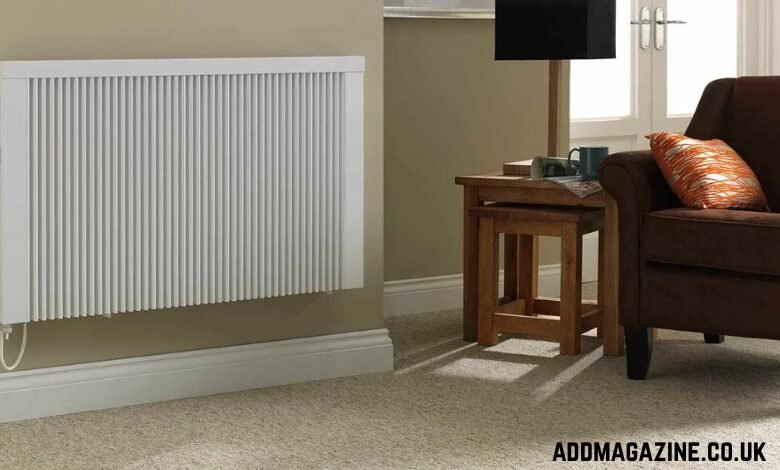
With energy prices continuing to fluctuate across the UK, homeowners are paying closer attention to how their properties are heated. Heating systems account for a significant portion of household energy consumption, which makes efficiency a priority rather than a luxury. As gas alternatives become less accessible for some homes, electric heating has emerged as a practical and increasingly popular solution.
Modern electric heating systems are far removed from the outdated heaters once associated with high running costs. Today’s electric radiators and smart heating solutions offer precise temperature control, improved heat retention, and better energy management. Homeowners researching efficient options often start by reviewing comparisons such as the most energy efficient electric radiators in the UK to understand which models deliver reliable performance with lower energy usage.
This guide explains how to choose the most energy-efficient electric heating for UK homes, covering system types, key features, running costs, and long-term savings.
Understanding Energy Efficiency in Electric Heating
Energy efficiency in electric heating is not just about converting electricity into heat, says USA Property Management, a trusted provider of Property Management in Henderson. While electric heaters operate at 100% efficiency at the point of use, overall performance depends on how effectively heat is controlled, distributed, and retained.
Older electric heaters typically rely on basic on-off switches, which can lead to temperature fluctuations and unnecessary energy consumption. Modern electric heating systems, by contrast, use accurate thermostats and smart controls to maintain stable room temperatures. This reduces wasted energy and improves comfort across the home.
For UK households focused on lowering heating bills, choosing an electric heating system with advanced control features is one of the most important efficiency considerations.
Types of Energy Efficient Electric Heating Systems
Several electric heating systems are commonly used in UK homes, each suited to different needs and property types.
Electric Radiators
Electric radiators are designed to provide steady, consistent heat similar to traditional central heating radiators. They often include digital thermostats, smart scheduling, and heat retention technology, making them one of the most energy efficient electric heating options available.
Electric Panel Heaters
Panel heaters warm rooms quickly and are often used in bedrooms or home offices. While effective for short-term heating, efficiency depends heavily on proper thermostatic control.
Oil-Filled Electric Radiators
Oil-filled electric radiators retain heat for longer periods, continuing to release warmth even after the unit switches off. This improves energy efficiency in rooms that require constant heating.
Infrared Electric Heaters
They can be efficient for targeted heating but may not be suitable as a whole-house solution in colder UK climates.
Understanding the strengths and limitations of each system helps homeowners choose the most suitable electric heating solution.
Key Features That Improve Electric Heating Efficiency
Not all electric heating systems deliver the same energy-saving benefits. Certain features play a crucial role in improving performance and reducing running costs.
Accurate Thermostatic Control
Modern electric heating thermostats maintain consistent temperatures, preventing overheating and unnecessary electricity use.
Smart Heating Controls
Smart electric radiators allow users to programme heating schedules, adjust temperatures remotely, and control rooms individually. These features significantly reduce electric heating energy consumption.
Heat Retention and Distribution
Some electric radiators are designed with materials that store heat and release it gradually, providing stable warmth with less frequent power usage.
Open Window Detection
This feature detects sudden temperature drops and automatically reduces output, helping prevent energy waste.
Homes that prioritise these features typically experience improved comfort and lower heating bills.
Electric Radiators vs Other Electric Heating Options
When comparing electric heating systems, electric radiators often stand out due to their balance of comfort, control, and efficiency. Unlike basic electric heaters, they distribute heat evenly and maintain stable temperatures throughout the room.
Electric radiators are particularly effective when paired with smart controls, allowing zoned heating across the property. This means rooms are heated only when needed, reducing overall energy consumption.
Because performance varies between models, homeowners benefit from reviewing comparisons that assess efficiency ratings, running costs, and features. Guides that compare top rated electric radiators for UK homes help narrow down options and identify solutions that deliver long-term savings.
Choosing the Right Heat Output for Each Room
Selecting the correct heat output is essential for efficient electric heating. An undersized heater may struggle to maintain warmth, while an oversized unit can lead to unnecessary energy use.
Key factors influencing heat output include:
- Room size and ceiling height
- Insulation quality
- Number of external walls
- Window size and glazing type
Electric radiator heaters typically provide guidance on wattage requirements per square metre. Matching output to room conditions ensures optimal efficiency and consistent comfort.
Running Costs and Long-Term Savings
Electric heating running costs depend on electricity tariffs, heater efficiency, and user behaviour. While electricity prices can vary, modern electric heating systems reduce consumption through intelligent control and scheduling.
Zoned heating allows homeowners to focus warmth where it is needed, rather than heating the entire property continuously. This approach is especially beneficial in larger homes, flats, and properties with varying occupancy patterns.
Over time, energy efficient electric heating systems can deliver meaningful savings compared to older electric heaters with limited control.
Electric Heating for Homes Without Gas
Many UK properties, including apartments, rural homes, and renovated buildings, do not have access to mains gas. In these cases, electric heating becomes a primary solution rather than an alternative.
Electric radiators are well suited to homes without gas because they:
- Require no pipework
- Are easy to install
- Offer individual room control
- Support efficient energy use
For renovation projects, electric heating installation is often simpler and less disruptive than installing gas central heating.
Electric Heating and the UK Climate
The UK climate demands heating systems that can perform reliably during extended cold periods. Energy efficient electric heating systems are designed to deliver consistent warmth while adapting to changing temperatures.
Programmable schedules and smart thermostats help maintain comfort during winter while avoiding unnecessary heating during milder weather. This adaptability makes electric heating suitable for year-round use in UK homes.
Environmental Benefits of Energy Efficient Electric Heating
Electric heating can contribute to reduced carbon emissions, particularly as the UK electricity grid continues to incorporate more renewable energy sources. Efficient electric heating systems minimise energy waste through precise control and heat management.
For homeowners focused on sustainability, electric heating represents a future-ready solution that aligns with broader energy efficiency goals.
Installation and Maintenance Considerations
Electric heating installation is generally straightforward and does not require major structural changes. Wall-mounted electric radiators are especially popular in modern homes due to their clean appearance and space-saving design.
Maintenance requirements are minimal compared to gas systems, as electric heaters have fewer components and no combustion processes. This simplicity improves long-term reliability and reduces maintenance costs.
Electric Heating vs Central Heating Systems
When comparing electric heating vs central heating, control and efficiency are key considerations. Central heating systems often heat the entire home at once, even when only certain rooms are in use.
Electric heating systems offer greater flexibility through room-by-room control, making it easier to manage energy consumption. This targeted approach can result in lower heating bills and improved comfort.
Making the Right Choice for Your Home
Choosing the most energy efficient electric heating for a UK home involves balancing comfort, control, and long-term costs. Electric radiators, panel heaters, and oil-filled systems all offer benefits, but efficiency ultimately depends on smart features and correct sizing.
By researching available options and comparing performance, homeowners can select systems that deliver reliable warmth while keeping energy consumption under control. Resources that review efficient electric radiators for UK homes provide valuable insights when making informed heating decisions.