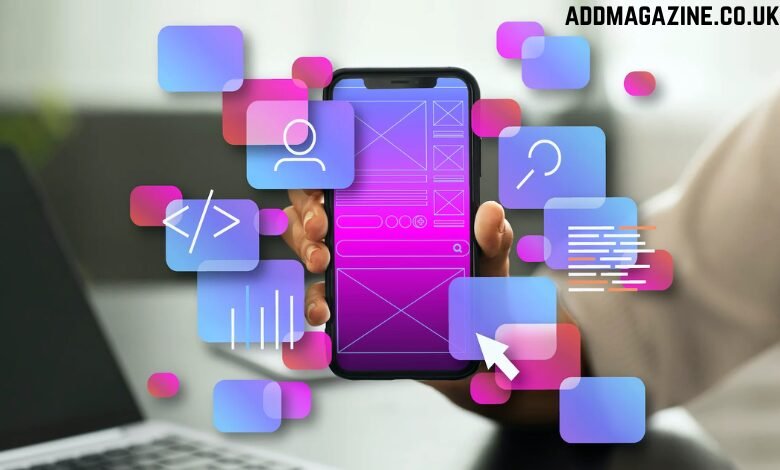
These days, there are new changes for mobile apps. New tech tools change the way apps are made. Technology evolves rapidly, and users want more. Phones have more power, and code runs faster. Apps work better and last longer because of these changes.
Every day, this field is evolving. As new methods emerge, old ones are becoming obsolete. Phone chips are now thinking like brains. In the cloud, information is stored away from devices. Real people test apps before they go live. Bugs are fixed quickly, and users are happy with new apps.
AI-Driven User Personalization
These days, apps learn how you use them. Every time you tap, swipe, or pause, you send information to smart systems. This type of technology tries to predict what people want next. An app can show your favorite songs first or hide songs you did not choose. This makes apps feel easy to use and private.
There is no magic involved in making this work. It is a nice mix of math and facts. Apps track what you do and find trends. Then, they change the menus, colors, or style of content to your liking. Some apps can even change tone based on the day or your mood.
When you hire a Dallas app development company, they show you how to build something like this. There, teams build apps that adapt to the user. To make the apps feel like they know you, they hire people in the area who have strong technical skills.
Battery-Smart App Design
Cutting Power Use
If apps are not built well, they drain phone batteries quickly. Nowadays, manufacturers try to save power. They write code that does not sleep unnecessarily. Apps can only check so many times to see if anything has changed. In other words, your phone will last longer without needing to charge.
Smart Data Sync
This used to happen all the time with apps. Now they have to wait for Wi-Fi or low-power times. They do multiple things at once, not one at a time. Both data and battery life are saved this way. People say their phones stay charged longer.
Screen Time Limits
Screens that are too bright use a lot of power. New apps dim the screen when you are just reading. They have dark modes to save power. Some apps even pause graphics when the battery gets low. These small tweaks can make your phone last longer.
Offline-First Functionality
Apps can now work without web links. They keep important information on your phone. The app will continue running even if your Wi-Fi is off. It stores your work and syncs it with the cloud when you are ready. This change is helpful for people who live in areas where signals are weak.
- Apps save pages for later reading.
- Form drafts are saved even if you close the app.
- Routes load on maps before you leave the house.
- Music and videos can be saved on the phone for trips.
- Cloud sync happens in the background when the signal returns.
Using this method takes less time. Users do not see red screens of death. Apps always work, no matter where you are. Because apps do not use slow networks, they feel faster. Moving to an offline-first design is great for people who use their phones a lot.
Voice-Only Navigation Trends
Hands-Free Control
People now talk to their phones. Voice instructions let people get things done without typing. You can say “find nearby stores” or “show my orders.” The app reads, thinks, and acts. This is very useful for cooking or driving. You do not need to use your hands when the app is running.
Natural Language Processing
Apps do not just hear words. They understand what they mean. When you talk, you do not need to speak commands. These apps know what you want. They can even understand slang and languages. This technology uses models that learn from millions of speech samples.
Custom Build Support
If you hire a custom software development company, they can make your app talkable. These teams create systems that can listen and react. Voice models are tuned to the tone of your brand. This way, you have an app that speaks to your users in a way that resonates with them.
Invisible Security Layers
Safety used to force apps to run slowly. You would see login pages and be asked to enter a password. Now, safety is back. Apps look at your gadgets, your location, and your access method. If something does not look right, they ask for more proof. Often, you do not even realize it.
Biometric checks are faster. Your app can open with a quick glance or touch. Behind all that, many lines of code check for danger. They look for malware, check for changes in information, and block suspicious links. Everything happens in just a few moments.
Modern apps also encrypt device information. Your information remains safe even if someone steals your phone. When you get updates, bugs are fixed before hackers can. These guards do not make apps difficult to use; they just keep your information safe.
Adaptive UI for Wearables
Now, phones are not the only devices with screens. Apps can also be used on watches, bands, and glasses. These small screens require a special approach. Features are minimized so that only the essentials are visible. Text is larger, buttons are larger, and choices are smaller.
Software Orca makes apps that work well on these small devices. They build systems that work on all types of devices. The app feels like it was made for them, whether you are on a phone or a watch. Their team knows how to make features bigger without making them less useful. With this cross-device skill, users can stay involved at all times, no matter what they are wearing.