A wedding suit does more than tick a box on the planning list. It sets the tone for the day, reflects the venue, and ends up in photographs that last far longer than the celebrations themselves. With more couples opting for personalised ceremonies and less rigid dress codes, grooms now have far more freedom to choose a suit that feels right for both the setting and the season.
Matching the Suit to the Venue
The venue plays a big role in deciding what kind of suit works best. A formal hotel or country house often calls for sharper tailoring and classic colours, while a barn, coastal venue, or relaxed countryside setting allows for softer fabrics and lighter tones.
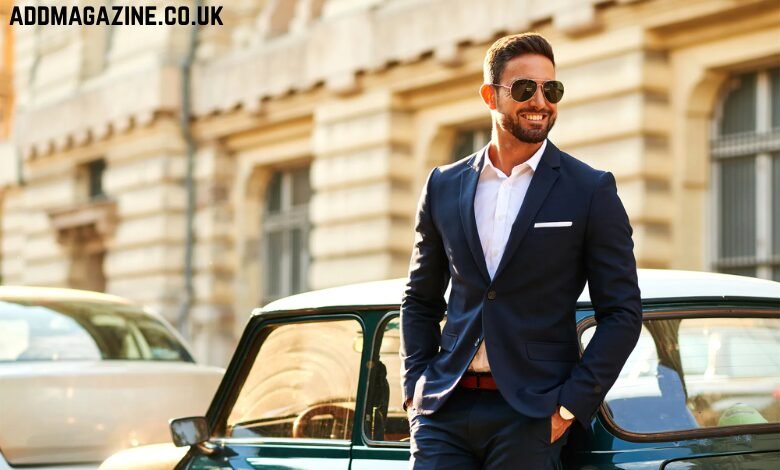
Outdoor weddings often benefit from breathable materials and a slightly more relaxed fit, especially during warmer months. In recent years, many grooms have moved away from black in favour of navy and mid blue tones, which feel just as smart but more modern in daylight settings. This is one reason blue wedding suits have become such a popular choice across the UK.
Considering the Season
Seasonal planning matters more than many people expect. Summer weddings call for lighter fabrics like wool blends or hopsack, helping keep things comfortable during long days and outdoor receptions. Pale blues and soft greys work well in natural light and pair easily with neutral accessories.
Autumn and winter weddings allow for richer textures. Heavier wool, flannel, or tweed suits feel appropriate for cooler weather and complement darker colour palettes. Deep navy, charcoal, and muted blue shades sit comfortably alongside seasonal flowers and candlelit venues. Waistcoats are also more common in colder months, adding warmth and structure without needing an overcoat indoors.
Spring weddings sit somewhere in between. This is a good time to experiment with mid weight fabrics and lighter blues, keeping the overall look fresh but still formal.
Fit Comes First
No matter how well a suit matches the venue or season, fit is what makes the difference. A well fitted suit should sit neatly across the shoulders, taper gently at the waist, and fall cleanly through the leg. Too loose and it looks borrowed. Too tight and it becomes uncomfortable very quickly.
Many grooms now choose to have minor alterations done rather than buying a fully bespoke suit. Simple adjustments to sleeve length, trouser hem, or jacket waist can transform the overall look without adding significant cost.
Coordinating with the Wedding Party
The groom’s suit should stand out subtly without clashing with the rest of the wedding party. Coordinating colours rather than matching exactly tends to work best. If groomsmen are wearing grey or lighter blue suits, a darker navy suit for the groom creates contrast while keeping everything cohesive.
Accessories also help define roles. A different tie, pocket square, or boutonniere can set the groom apart without breaking the overall style of the day.
A Suit You Can Wear Again
One of the biggest shifts in recent years is the move towards suits that work beyond the wedding day. Neutral colours, classic cuts, and versatile fabrics mean the suit can be worn again for formal events, work occasions, or other celebrations.
A well chosen wedding suit should feel like an investment rather than a one day purchase. When venue, season, and personal style are all considered together, the result is a look that feels confident, comfortable, and timeless.