
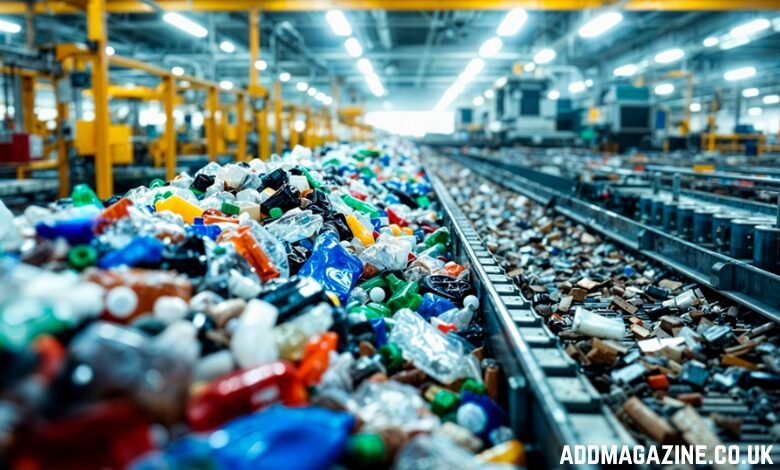
Out of sight, out of mind – that’s how many garbage treats – yet where it goes matters more than ever. Whether tearing down a wall or building an entire block, what you do with debris shapes risk levels, workflow speed, harm to nature, and legal standing. Collection trucks rumble by weekly, but massive messes need something smarter for the short term – a setup that makes doing the right thing also feel practical.
When cities expand, construction needs shift – waste setups adapt right alongside. Built to handle rubble without mess piling up. Safety stays higher when pathways stay clear. Rules about dumping trash differ by location, these systems follow them closely.
The Growing Need for Organized Waste Disposal
From tiny jobs to big builds, trash always shows up. Clearing out a garage? You’ll find busted gadgets and worn-out chairs. Home upgrades often leave behind heaps of plasterboard, timber scraps, leftover wraps. Busy job sites pile up rubble nonstop – hauling it off keeps things moving, keeps people safe.
Improper disposal can lead to several problems:
- Safety risks, such as sharp objects or unstable piles of debris
- Environmental harm, including illegal dumping or improper handling of recyclable materials
- Regulatory issues, as many municipalities enforce strict rules on waste handling
Organized waste disposal systems help mitigate these risks by providing a central location for waste collection and removal.
How Temporary Waste Containers Fit Into the Process
When projects pile up junk, temporary bins help manage the overflow without fuss. Available in multiple dimensions, they suit homes just as well as factories. Once filled – or when work wraps – they get hauled away. Situated directly where needed, these units stay put until removal time.
This approach simplifies waste management by:
- Keeping work areas clean and accessible
- Allowing waste to be sorted or disposed of in compliance with regulations
For many projects, using a structured system like a DUMPSTER RENTAL helps ensure that waste is managed in a controlled and predictable manner without overwhelming local trash services.
Common Situations That Generate Large Volumes of Waste
Temporary disposal solutions are often used in situations where regular waste collection is insufficient. Some of the most common scenarios include:
Home renovations and remodels
Projects such as kitchen upgrades, bathroom remodels, or flooring replacements generate bulky and heavy materials that cannot be disposed of through standard bins.
Construction and demolition work
Construction sites require continuous waste removal to maintain efficiency and safety. Materials such as concrete, metal, wood, and insulation need designated disposal methods.
Moving and property cleanouts
Clearing out a home, office, or rental property often reveals years of accumulated items that must be disposed of quickly and responsibly.
Commercial and industrial projects
Retail remodels, warehouse reorganizations, and facility upgrade all produce waste that needs structured handling.
Environmental Considerations in Waste Disposal
Modern waste management goes beyond simple removal. Environmental responsibility is now a central concern, with increased emphasis on recycling, proper sorting, and reducing landfill use. Many materials generated during projects—such as metal, cardboard, and certain plastics—can be recycled if handled correctly.
Temporary disposal systems can support sustainability by:
- Allowing separation of recyclable and non-recyclable materials
- Preventing illegal dumping and environmental contamination
- Supporting compliance with environmental regulations
By centralizing waste, it becomes easier to monitor what is being disposed of and how it impacts the environment.
Planning Ahead: Choosing the Right Waste Solution
One of the most common mistakes in project planning is underestimating waste volume. This can lead to delays, overcrowded workspaces, and unexpected costs. Planning ahead involves estimating the type and amount of waste likely to be generated and choosing a solution that matches those needs.
Key factors to consider include:
- Project duration – short-term cleanups may need smaller solutions, while long-term projects require larger capacity
- Type of waste – heavy materials like concrete may require different handling than household debris
- Local regulations – permits or placement restrictions may apply depending on location
Thoughtful planning ensures that waste management supports, rather than disrupts, the overall project.
Safety and Efficiency on Worksites
A tidy workspace isn’t only easier on the eyes – it shapes how safely people work and how much they get done. When scraps lie around, someone might trip, tasks take longer, movement gets tricky. Having one main spot for trash keeps things under control because folks know exactly where stuff belongs.
Benefits of organized waste handling include:
- Reduced risk of injury
- Improved workflow and efficiency
- Easier inspections and compliance checks
Whether for a home project or a large-scale operation, maintaining control over waste contributes to smoother execution.
The Bigger Picture: Waste Management as a Responsibility
Born from advancement, trash shows what we truly care about – our duty, our future. When handled well, mess stays out of neighborhoods while nature gets a chance to breathe. Smooth operations keep going, unblocked by avoidable setbacks.
What keeps things moving often goes unnoticed. These stopgap setups bring order without drawing attention. Flexibility shows up through smarter layouts that adapt fast. Cleaner spaces come from systems built to handle shifting demands. Safety improves when layout follows function. Efficiency sneaks in where planning meets real world needs.
Final Thoughts
Handling trash well matters more than it first appears. Not only does it shape daily operations, but it quietly supports how smoothly things run. Whether tearing out old walls or building new ones, keeping disposal clear-cut changes outcomes noticeably. A smart short-term setup guards’ people, land, and schedules at once. Even as pressures rise, these systems hold steady beneath the surface. Speed alone never tells the full story behind progress.