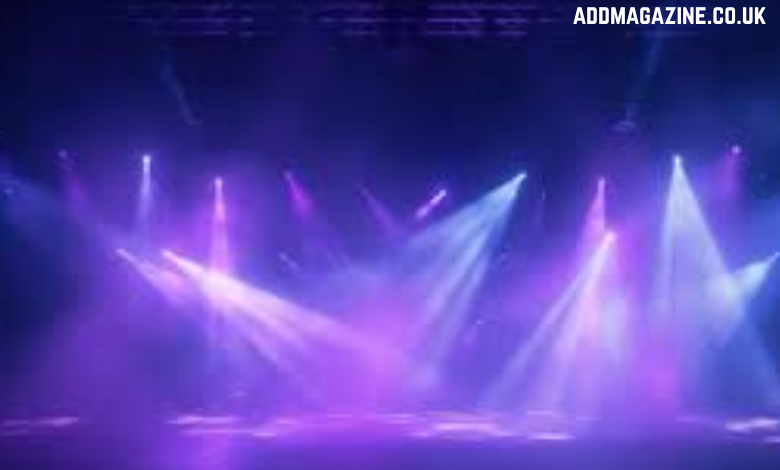
Stage lighting plays a far bigger role than simply making performers visible. When designed thoughtfully, lighting shapes mood, directs attention, and defines how audiences emotionally experience a space. Creative lighting choices can instantly elevate the atmosphere of a venue.
Below are practical and creative stage lighting ideas that help transform ordinary spaces into memorable environments, without overwhelming the performance itself.
Use Light to Define the Space, Not Just the Stage
One of the most common lighting mistakes is concentrating all fixtures directly on the stage and leaving the rest of the venue flat and lifeless. Instead, lighting should subtly define the entire environment.
Uplighting walls, columns, and architectural features adds depth and dimension. Soft washes along the sides of a venue visually “frame” the stage, while darker negative space helps maintain focus where it matters most. This layered approach makes even smaller venues feel immersive and professionally designed.
Color Palettes Set the Emotional Tone
Color choice has an immediate psychological impact. Warm ambers and soft whites create intimacy, while blues and purples evoke calm or mystery. High-energy environments—like clubs or EDM shows—often benefit from bold reds, greens, and dynamic color changes.
Rather than cycling randomly through colors, successful lighting designers work with a limited palette that matches the event’s theme or musical style. Gradual transitions feel more polished than constant flashing, especially in venues where atmosphere matters as much as energy.
Add Motion Without Distracting the Audience
Movement brings lighting to life, but subtlety is key. Slow pan and tilt movements during ambient moments keep the space visually engaging without pulling attention away from performers or speakers.
Textured light patterns projected onto walls or backdrops can also add motion without intensity. When used correctly, moving light becomes part of the environment rather than the main attraction.
Lasers as Accent Elements, Not Gimmicks
Lasers are often associated with large-scale shows, but they can also be used creatively in smaller venues when applied with restraint. Thin laser beams can add depth to haze-filled spaces, emphasize musical drops, or highlight key moments in a performance.
For electronic music events and DJ laser light setup can elevate the rhythm and visual experience without overwhelming the space. The key is balance—lasers should complement existing lighting layers, not replace them.
Layer Lighting for a Professional Look
The most effective venue lighting designs rely on layers:
- Front lighting for visibility and clarity
- Back lighting for separation and depth
- Accent lighting for atmosphere and texture
By combining washes, spots, beams, and effects, designers create visual hierarchy. This layered approach ensures that performers stand out while the venue maintains a cohesive and immersive feel.
Modern stage lighting systems make it easier than ever to build these layers efficiently, even in venues with limited rigging options.
Adapt Lighting to the Venue’s Purpose
A theater, nightclub, and corporate venue all demand different lighting approaches. Theaters prioritize clarity and storytelling. Clubs focus on energy and motion. Corporate spaces require clean, professional lighting that enhances presentations without distraction.
Understanding the primary function of the venue helps determine brightness levels, color use, and fixture placement. Lighting should always serve the experience, not compete with it.
Final Thoughts
Creative stage lighting doesn’t require excessive equipment or extreme effects. It requires intention. By focusing on mood, layering, motion, and balance, lighting designers can dramatically enhance venue atmosphere while keeping attention where it belongs.
When lighting works in harmony with sound, performance, and space, audiences may not consciously notice it, but they’ll feel the difference.