Drainage systems operate largely out of sight, which means developing faults often go unnoticed until disruption occurs. In densely populated urban environments, drainage networks handle significant daily demand, making them more vulnerable to wear, obstruction, and structural deterioration. When early warning signs are ignored, the resulting drain repair cost can increase substantially due to emergency intervention, excavation, or pipe replacement.
Understanding the underlying causes of drainage failure allows property owners and facility managers to act early, reduce disruption, and maintain reliable wastewater flow.
1. Grease and Organic Residue Build-Up
Cooking oils, fats, and food waste are among the most common causes of internal pipe restrictions. When these substances enter drainage systems, they cool and adhere to pipe walls, gradually narrowing the passage.
As deposits accumulate, water flow slows, and debris becomes trapped. Over time, this leads to severe obstructions requiring professional drain clearance to restore normal function.
Preventing grease entry through proper disposal practices significantly reduces long-term risk.
2. Root Intrusion from Nearby Vegetation
Tree roots naturally grow toward moisture sources and can penetrate even minor cracks in underground pipes. Once inside, they expand and trap waste materials, leading to progressive restriction.
Root-related damage can compromise pipe stability and increase drainage repair pricing due to the need for specialist removal or structural repair.
Routine inspection helps detect early signs before significant deterioration occurs.
3. Pipe Deterioration Due to Age
Drainage infrastructure weakens over time. Older materials may crack, corrode, or deform, creating rough internal surfaces that catch debris.
As obstructions develop, flow efficiency decreases and pressure increases within the system. Early assessment helps minimise disruption and avoid extensive restoration work.
4. Flushing of Unsuitable Materials
Many everyday items do not break down effectively within drainage systems. Wet wipes, sanitary products, paper towels, and solid waste can accumulate and create stubborn blockages.
Even materials marketed as disposable can contribute to internal obstructions, particularly in ageing infrastructure.
Public awareness and responsible disposal play an essential role in prevention.
5. Mineral and Scale Deposits
In hard water regions, minerals gradually accumulate on pipe surfaces. These deposits reduce internal capacity and restrict wastewater movement.
Over time, scale formation can significantly impair performance, increasing the likelihood of obstruction and emergency drain unblocking.
Regular cleaning and maintenance help preserve internal pipe condition.
6. Installation Defects and Poor Pipe Alignment
Incorrect installation practices, insufficient gradient, or misaligned joints can disrupt natural flow patterns. When wastewater cannot move efficiently, debris settles and accumulates.
Professional installation and inspection ensure that systems operate as designed and remain resistant to obstruction.
7. Structural Movement and Ground Pressure
Urban environments experience constant structural stress due to traffic, construction activity, and environmental changes. Ground movement can displace pipes, causing misalignment or fractures.
These structural changes often develop gradually but can eventually restrict flow and cause internal collapse.
Early detection reduces repair complexity and associated costs.
8. External Debris Entering Drainage Systems
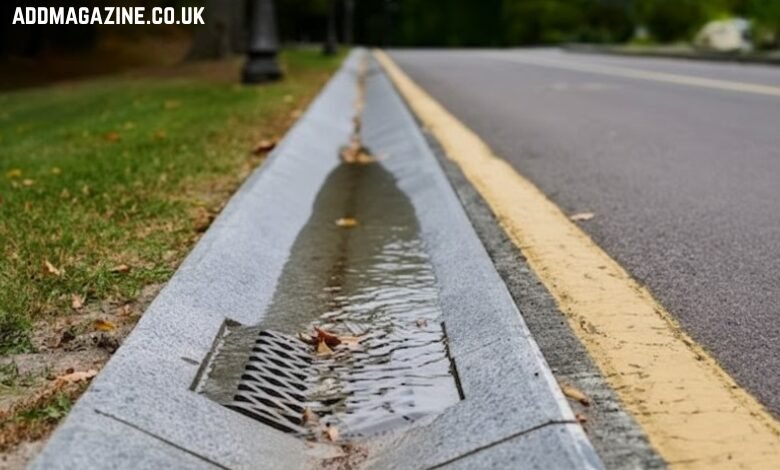
Outdoor drains frequently collect leaves, soil, and environmental debris. Without protective covers or regular cleaning, these materials can obstruct water movement and cause backups.
Routine inspection and preventive care are essential drainage maintenance tips that help maintain reliable performance throughout the year.
9. Corrosion and Material Degradation
Exposure to chemicals, moisture, and environmental conditions can weaken pipe materials over time. Corrosion creates rough surfaces that trap debris and increase obstruction risk.
Replacing compromised sections helps restore efficiency and prevent recurring problems.
10. Poorly Executed Modifications or Extensions
Drainage alterations carried out without proper planning can disrupt system balance. Incorrect pipe sizes, unsuitable fittings, or poor connections reduce efficiency and increase vulnerability.
Professional assessment ensures compatibility and long-term reliability.
11. Animal Activity Within Drainage Networks
Urban drainage systems sometimes attract rodents seeking shelter and food sources. Their presence can contribute to pipe damage and increase obstruction risk.
Professional rodent control and rat removal services in Kent, London & South East help protect infrastructure by addressing entry points and preventing structural damage caused by animal activity.
This integrated approach supports both hygiene and drainage integrity.
12. Lack of Preventive Inspection and Cleaning
One of the most significant contributors to serious drainage problems is the absence of routine maintenance. Minor obstructions often develop gradually and remain unnoticed until severe disruption occurs.
Regular inspection helps identify early warning signs and allows timely intervention using appropriate blocked drain solutions.
Property owners experiencing persistent issues can benefit from specialist services addressing blocked drains in London, which focus on identifying underlying causes rather than temporary relief.
Understanding the typical drain clearance cost also helps property owners plan maintenance and avoid unexpected financial strain.
Why Early Intervention Reduces Long-Term Expense
Drainage systems function most effectively when maintained proactively. Preventive care reduces the likelihood of structural failure, emergency callouts, and extensive restoration work.
Key benefits include:
• Improved system reliability
• Reduced risk of sudden failure
• Lower overall maintenance expenditure
• Extended infrastructure lifespan
• Reduced disruption to occupants
Preventive planning supports both operational continuity and cost efficiency.
Signs That Professional Assessment May Be Required
Property owners should seek specialist evaluation if they notice:
• Slow drainage across multiple outlets
• Persistent unpleasant odours
• Recurrent obstructions
• Unusual sounds from pipework
• Surface water accumulation
Early intervention helps restore performance and prevent further deterioration.
Conclusion
Drainage problems rarely occur without warning. Most issues develop gradually due to structural wear, debris accumulation, or environmental factors. Understanding these risks allows property owners to take preventive action and manage drain repair costs effectively.
Regular inspection, responsible waste disposal, and professional maintenance help ensure reliable drainage performance. A proactive approach protects property infrastructure, prevents disruption, and supports safe, hygienic environments in urban settings.