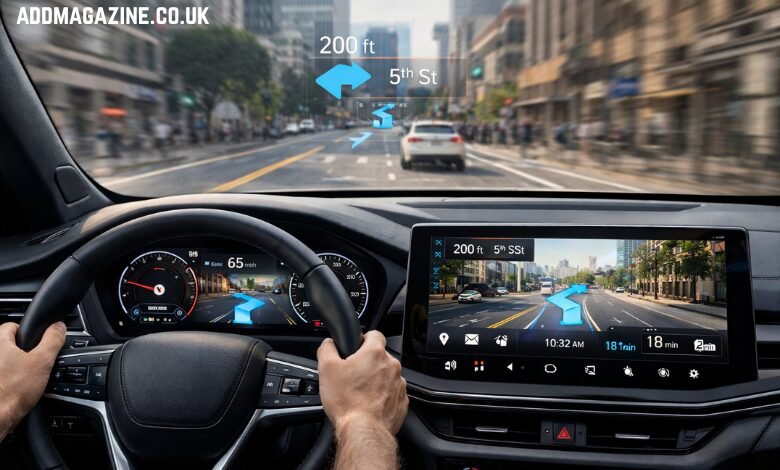
In today’s automotive industry, technology continues to evolve rapidly, with car manufacturers prioritizing innovation to enhance the driving experience. One of the standout features that has transformed the way drivers navigate is the digital cockpit, particularly the integration of navigation systems within this high-tech setup. A digital cockpit provides a seamless interface that combines multiple displays for vehicle information, entertainment, and connectivity. More importantly, navigation systems integrated into these digital cockpits have redefined how drivers interact with their vehicles, making navigation more intuitive, efficient, and safer.
This blog post will explore the concept of SUVs with navigation in digital cockpits, what makes these systems stand out, and some of the best options for 2025.
Understanding Digital Cockpits and Navigation Systems
A digital cockpit refers to the advanced, integrated display system that takes the place of traditional analog gauges and dials in a vehicle. Instead of using physical buttons and meters, the digital cockpit uses large high-definition screens to show essential vehicle information such as speed, fuel consumption, navigation routes, and more. These screens are not just for convenience—they contribute to the overall safety and performance of the vehicle by providing real-time data, easy access to settings, and customizable user interfaces.
Navigation in digital cockpits is a significant evolution from older, simpler systems. Traditional navigation relied on separate, often clunky, GPS units or built-in systems that displayed basic maps. Today, digital cockpit navigation systems offer full-screen interactive maps, real-time traffic updates, turn-by-turn directions, and even augmented reality (AR) navigation, where directional arrows and important information overlay onto the real-world view through the windshield.
Key Features of Navigation in Digital Cockpits
- Interactive and Customizable Displays
Digital cockpits offer customizable displays that allow drivers to choose what information to show. For instance, the navigation system might take up the entire central display or integrate with other vehicle data, such as speed, fuel efficiency, and driver assistance features. This level of customization ensures that drivers can prioritize what’s important to them while driving. - Augmented Reality Navigation
Augmented reality (AR) integration stands as one of the most exciting advancements in digital cockpit navigation. AR navigation uses real-time camera data to project arrows, street names, and points of interest directly onto the windshield, guiding drivers in real-time. This technology makes navigation more intuitive by reducing confusion at complicated intersections or turns. - Real-Time Traffic and Route Optimization
Unlike traditional GPS systems, digital cockpit navigation often connects to live traffic data, providing the most up-to-date routing options. This feature helps avoid traffic jams, accidents, or road closures, ensuring the system always suggests the most efficient route. - Voice Control and Hands-Free Operation
Many of the latest navigation systems integrate voice recognition, enabling drivers to set destinations, change routes, or ask for information without having to touch any buttons. This feature helps keep the driver’s attention on the road, reducing distractions and improving safety. - Heads-Up Display (HUD) Integration
In premium models, the digital cockpit often integrates a heads-up display, projecting essential information like speed, navigation directions, and alerts directly onto the windshield. This means drivers don’t have to look away from the road to check navigation, making for a safer and more focused driving experience.
Benefits of SUVs with Navigation in Digital Cockpit
- Improved Safety
One major advantage of integrating navigation into a digital cockpit is the improvement in safety. With large, clear, and real-time information displayed, drivers don’t have to divert their attention from the road. AR navigation and HUD features ensure that crucial details, like lane changes or turns, are highlighted directly in the driver’s line of sight, minimizing distractions. - Enhanced User Experience
Digital cockpit navigation systems are designed to be intuitive and user-friendly. The high-resolution screens are easy to read, even in direct sunlight, and the system is responsive to touch and voice commands. This enhances the overall driving experience, making it easier for drivers to plan and follow routes with minimal hassle. - Connectivity with Other Features
Digital cockpits integrate navigation with other vehicle systems like media, climate control, and safety alerts. For example, the navigation system can suggest alternate routes based on real-time weather conditions or provide an update on the status of the vehicle’s fuel consumption, making long drives more efficient and comfortable. - Seamless Integration with Smartphones
Many modern SUVs with digital cockpits offer full smartphone integration, allowing drivers to sync their phone’s navigation app with the vehicle’s system. This makes it easier for users to transition between using their phone’s GPS and the vehicle’s system without losing continuity.
Top SUVs with Navigation in Digital Cockpits for 2025
As of 2025, several SUV models come with advanced navigation systems in their digital cockpits, each offering unique features designed to enhance the driving experience. Below are some of the best SUVs with these systems.
1. Audi Q7 (2025 Model)
Audi’s Q7 continues to lead in technology with its virtual cockpit system. The Q7 offers a large, high-definition digital display that integrates navigation, vehicle data, and media controls. With optional augmented reality navigation, the Q7 offers a futuristic experience, especially on longer trips. Its adaptive cruise control and lane-keeping assist systems work hand-in-hand with the navigation system, making it one of the safest and most comfortable SUVs on the road.
2. Mercedes-Benz GLE (2025 Model)
The Mercedes-Benz GLE comes equipped with the MBUX system, featuring an intuitive digital cockpit and large navigation screen. The 2025 model includes augmented reality navigation, where drivers can see real-time visual cues on the road, helping them navigate complex intersections or tricky maneuvers. The heads-up display is also available, ensuring the driver’s attention remains on the road.
3. BMW X7 (2025 Model)
The BMW X7 remains one of the top luxury SUVs in 2025, and its digital cockpit is a major highlight. With a large 12.3-inch display, the X7’s navigation system integrates with the vehicle’s other features, including real-time traffic updates, voice control, and AR navigation. The system also includes intelligent route suggestions based on the time of day, current traffic conditions, and even weather patterns, making it one of the most sophisticated navigation systems on the market.
4. Land Rover Range Rover (2025 Model)
The Range Rover combines luxury with rugged performance, and its digital cockpit system does not disappoint. The 2025 model features a large navigation screen with real-time updates, voice command features, and augmented reality navigation to provide smooth and safe driving on both highways and rough terrains.
5. Porsche Cayenne (2025 Model)
The Porsche Cayenne comes with the brand’s Porsche Communication Management system, which integrates a high-resolution display for navigation and other vehicle functions. The system provides real-time navigation updates, and with the optional heads-up display, drivers can stay focused on the road while following detailed directions.
6. Volvo XC90 (2025 Model)
The Volvo XC90 is known for its premium safety features, and its navigation system adds to this with real-time traffic information, lane guidance, and AR navigation on the optional head-up display. The system is easy to use and integrates well with the vehicle’s other safety and convenience features, making it a great choice for families.
How to Choose the Right SUV with Navigation in Digital Cockpit
When selecting an SUV with a digital cockpit and navigation, there are several factors to consider:
- Screen Size and Quality: Larger, high-resolution screens are ideal for easy navigation viewing. Look for SUVs that offer at least a 10-inch display.
- Augmented Reality Features: If you want the most advanced navigation experience, consider models with augmented reality navigation, as these systems can project directions directly onto the windshield, improving ease of use and safety.
- Real-Time Traffic Updates: Ensure that the navigation system provides live traffic updates to help avoid congestion and accidents, saving both time and fuel.
- Ease of Use: The system should be intuitive and user-friendly, with options for voice control, touchscreen interaction, and hands-free operation.
- Integration with Other Features: Make sure the navigation system integrates well with the vehicle’s other systems, such as safety features, media controls, and smartphone connectivity.
The Evolution of Digital Cockpit Navigation in SUVs
As SUVs continue to embrace more advanced technology, the integration of navigation systems within digital cockpits has become a defining feature of modern driving experiences. These systems don’t just display a map on a screen—they interact with the vehicle, adapting to real-time data and offering intuitive user experiences that enhance safety and convenience. The transition from traditional GPS systems to digital cockpit navigation is revolutionizing how drivers navigate cities, highways, and off-road terrains.
Real-Time Traffic and Smart Routing
A standout feature of digital cockpit navigation systems is their connection to real-time traffic data. Gone are the days of static maps with outdated road conditions. Modern SUVs with digital cockpits leverage data from GPS satellites, traffic monitoring systems, and even crowdsourced information to provide the most efficient route at any given time. This enables the navigation system to propose different routes, helping drivers steer clear of traffic jams or roadblocks. It can even consider time-sensitive factors such as tolls, weather conditions, and accidents to give a comprehensive overview of the best route.
Smart routing algorithms constantly monitor traffic conditions, recalculating routes as necessary to ensure the driver takes the quickest, safest, or most fuel-efficient path. This real-time feature not only saves time but also helps reduce stress during peak traffic hours. For drivers on long journeys, this can make a world of difference, ensuring they reach their destination faster and with fewer interruptions.
Augmented Reality (AR) Integration
Perhaps one of the most exciting advancements in digital cockpit navigation is the integration of augmented reality (AR) navigation. AR overlays virtual information directly onto the real-world view seen through the windshield. For instance, a driver might see directional arrows projected on the road, guiding them through complex interchanges or intersections. The system might also highlight upcoming street names or lane changes, making navigation intuitive and reducing the chances of taking a wrong turn.
In addition to turn-by-turn directions, AR technology is integrated with vehicle sensors and cameras to identify real-world objects such as pedestrians, cyclists, or other vehicles. This offers an added layer of situational awareness, enhancing safety by keeping the driver alert to potential hazards.
The Role of Heads-Up Displays (HUDs) in Navigation
Another feature that complements digital cockpit navigation is the heads-up display (HUD), which projects key information onto the windshield, directly in the driver’s line of sight. This allows drivers to view important data—such as speed, navigation directions, and fuel levels—without looking away from the road. HUDs can be particularly useful in navigating busy highways or dense city streets, where quick, on-the-fly decisions are often required.
HUD technology can be integrated with augmented reality to display complex navigation prompts, such as lane guidance or exit information, directly in the driver’s peripheral vision. This minimizes distractions, allowing the driver to stay focused on the road ahead, even during high-stress moments like merging onto highways or navigating unfamiliar cityscapes.
User Customization and Control
The customization options offered by digital cockpit navigation systems are one of their strongest points. Drivers can personalize the layout of their displays, prioritizing certain information over others based on their preferences. For example, some drivers may prefer to have the map front and center, while others might want to see vehicle performance metrics or driving data, such as fuel efficiency or tire pressure, alongside their navigation.
Advanced voice control features also allow drivers to interact with their navigation system hands-free. Whether it’s adjusting the volume, changing routes, or setting a new destination, voice commands reduce distractions and keep the driver focused on the road. These systems are increasingly responsive, understanding natural language commands with greater accuracy than ever before.
Connectivity and Smartphone Integration
Digital cockpit navigation systems are no longer isolated; they now seamlessly integrate with smartphones and cloud-based services. This allows drivers to access their preferred navigation apps, such as Google Maps or Apple Maps, directly from the vehicle’s infotainment screen. Through Bluetooth or Wi-Fi connections, the system can sync with the smartphone, allowing drivers to continue their journey without interruptions.
The integration extends beyond just navigation apps. Drivers can also access music, messages, and calendar reminders on the same screen, offering a fully connected driving experience. For families or work-related travel, the ability to keep all these systems synchronized can make long trips more convenient and enjoyable.
Security and Privacy Considerations
With the growing connectivity and integration of digital cockpit navigation systems, security and privacy concerns are natural considerations. Since these systems are connected to the internet, they are vulnerable to hacking attempts or unauthorized data access. Manufacturers have been working diligently to improve security measures, implementing encryption protocols, secure authentication processes, and software updates to safeguard driver information.
Additionally, privacy settings allow users to control what information is shared with third-party services, giving drivers more control over their data. Many systems also provide the option to disable tracking or location-sharing features when desired.
The Future of Digital Cockpit Navigation
As technology continues to advance, the future of digital cockpit navigation looks incredibly promising. Automakers are already exploring the integration of even more advanced features, such as 5G connectivity, AI-driven predictive navigation, and even autonomous vehicle navigation systems. These innovations will continue to improve the accuracy, efficiency, and safety of digital navigation, allowing for more personalized and automated driving experiences.
Conclusion
SUVs with navigation integrated into digital cockpits represent the cutting edge of automotive technology. With improved safety features, intuitive user interfaces, and advanced systems like augmented reality navigation, these vehicles are making it easier, safer, and more enjoyable to drive. Whether you’re looking for a large luxury SUV or a more compact model, the SUVs of 2025 offer something for every driver. As these systems continue to evolve, they will likely become even more integrated, intuitive, and capable, making driving a truly futuristic experience.