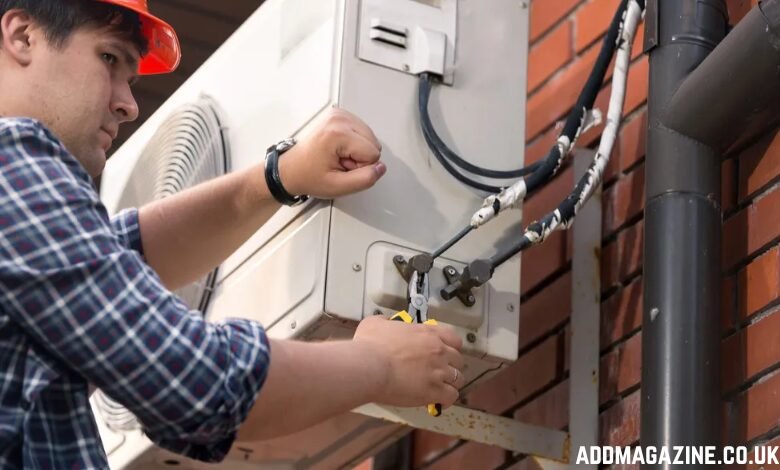
A comfortable home relies on many systems working together, but few are as critical or as frequently overlooked as the HVAC system. Heating, ventilation, and air conditioning equipment regulates indoor temperature, manages humidity, and directly affects air quality throughout the year. When these systems are properly maintained, homeowners enjoy consistent comfort, lower energy costs, and fewer unexpected repairs. When maintenance is neglected, however, HVAC systems often fail at the worst possible times, leading to discomfort, stress, and costly emergency service calls.
Seasonal HVAC maintenance is the most effective way to protect your home’s comfort and your investment. Each season presents unique demands on heating and cooling equipment, and proactive care ensures your system is prepared to meet those demands efficiently. This guide is designed to help homeowners understand why seasonal HVAC maintenance matters, what tasks should be performed throughout the year, and how professional service plays a vital role in keeping systems running smoothly.
HVAC systems operate under constant physical and environmental stress. Motors run for hours at a time, electrical connections endure temperature fluctuations, and air filters collect dust, allergens, and debris daily. Without routine care, these factors gradually reduce system efficiency and reliability. Seasonal maintenance addresses small issues before they escalate into major problems, allowing homeowners to avoid inconvenient breakdowns and premature equipment failure.
Another key benefit of seasonal maintenance is energy efficiency. Heating and cooling typically account for a significant portion of household energy use. When an HVAC system is clean, properly calibrated, and operating as designed, it requires less energy to maintain comfortable indoor temperatures. Over time, this efficiency translates into measurable savings on monthly utility bills while also reducing the system’s environmental impact.
Understanding the Key Components of Your HVAC System
To appreciate the value of seasonal maintenance, it helps to understand the major components of a typical residential HVAC system. Heating may be provided by a furnace, boiler, or heat pump, while cooling is usually handled by a central air conditioner or heat pump. For homeowners considering system upgrades, professional heat pump installation Auckland services can provide an energy-efficient solution that supports both heating and cooling needs throughout the year. These systems rely on ductwork to distribute air throughout the home, as well as thermostats to regulate temperature and comfort settings.
Additional components, such as air filters, blower motors, evaporator coils, condensate drains, and electrical controls, all play critical roles in overall system performance. Each component is affected differently by seasonal changes, making it essential to address maintenance tasks at the appropriate times of year rather than taking a one-size-fits-all approach.
Spring HVAC Maintenance: Preparing for Warmer Weather
Spring is one of the most important seasons for HVAC maintenance because it marks the transition from heating to cooling. After months of limited use, air conditioning systems need attention before summer temperatures arrive. Addressing potential issues early allows homeowners to avoid mid-summer breakdowns when systems are under maximum strain.
Air filter replacement is a fundamental spring maintenance task. Filters clogged with dust and debris restrict airflow, forcing the system to work harder and reducing indoor air quality. Spring is also an ideal time to inspect the outdoor condenser unit. Leaves, dirt, and other debris often accumulate around the unit during winter, limiting airflow and reducing efficiency. Clearing the area and gently cleaning the unit improves performance and helps prevent overheating.
Professional spring maintenance typically includes inspecting refrigerant levels, cleaning evaporator coils, and testing system controls. These tasks require specialized tools and expertise, making them best handled by trained technicians. Ensuring the thermostat is functioning accurately is also critical, particularly for homeowners who rely on programmable or smart thermostats to manage energy use.
Summer HVAC Maintenance: Maintaining Comfort and Efficiency
Once summer arrives, HVAC systems often operate for extended periods each day. During this season, maintenance focuses on monitoring performance and preventing efficiency losses caused by heavy usage. Homeowners should pay close attention to how their system operates, noting any unusual noises, weak airflow, or inconsistent temperatures throughout the home.
Maintaining clear airflow remains essential during summer months. Supply and return vents should be unobstructed, allowing air to circulate freely. Blocked vents increase system strain and can lead to uneven cooling. Managing indoor humidity is also important, as excess moisture makes homes feel warmer and reduces comfort even when temperatures are set correctly.
Energy bills can provide valuable insight into system performance. A sudden increase in cooling costs may indicate dirty components, duct leaks, or declining efficiency. Addressing these issues promptly helps maintain comfort while preventing unnecessary energy waste.
Fall HVAC Maintenance: Preparing for Heating Season
Fall offers homeowners an excellent opportunity to prepare their heating systems for winter. Mild temperatures allow for thorough inspections without the urgency that often accompanies mid-winter service calls. Fall maintenance is particularly important for safety, as heating systems involve combustion, electrical components, and high operating temperatures.
Professional fall maintenance includes inspecting burners, heat exchangers, ignition systems, and safety controls. These inspections help identify potential hazards, such as carbon monoxide leaks or worn components, before they become dangerous. Air filters should be replaced again to remove summer dust and allergens, ensuring clean airflow during heating season.
Ductwork inspection is another valuable fall maintenance step. Leaks or poorly sealed ducts can significantly reduce heating efficiency and lead to uneven temperatures. Testing the heating system early in the season allows homeowners to address any issues before cold weather sets in, ensuring reliable comfort throughout winter.
Winter HVAC Maintenance: Ensuring Safe and Reliable Operation
During winter, HVAC maintenance focuses on maintaining consistent heating and monitoring system performance. Homeowners should be alert to changes such as uneven heating, frequent cycling, or unexpected increases in energy bills, as these can signal underlying issues.
For homes with heat pump systems, keeping the outdoor unit clear of snow and ice is essential. Restricted airflow reduces efficiency and may cause the system to work harder than necessary. Indoor air quality is also a concern during winter, as homes are typically sealed tightly to retain heat. Clean filters and proper ventilation help maintain healthy indoor air while preventing excessive dryness or pollutant buildup.
Any unusual smells, loud noises, or performance changes during winter should prompt immediate professional evaluation. Addressing problems early reduces the risk of system failure during extreme cold.
DIY HVAC Maintenance and the Role of Professional Service
Homeowners can play an active role in HVAC maintenance by performing basic tasks such as replacing filters, keeping vents clear, monitoring thermostat settings, and visually inspecting outdoor units. These simple actions contribute significantly to system efficiency and longevity.
Licensed technicians are trained to inspect internal components, test electrical systems, measure airflow, and ensure refrigerant levels are correct. Professional maintenance not only improves performance but also helps maintain manufacturer warranties and ensures the system operates safely.
Most HVAC professionals recommend scheduling maintenance twice per year, once in spring and once in fall, to address seasonal demands and prevent unexpected failures.
Energy Efficiency, Cost Savings, and Long-Term Value
Seasonal HVAC maintenance directly impacts a home’s energy efficiency. Clean, well-maintained systems require less energy to heat and cool, reducing monthly utility expenses.
In addition to lower energy bills, homeowners benefit from fewer emergency repairs and a longer system lifespan. By reducing wear and tear on components, maintenance delays the need for costly replacements and provides better long-term value.
Indoor Air Quality and Home Health
HVAC systems significantly influence indoor air quality, circulating air throughout the home multiple times each day. Without proper maintenance, dust, allergens, and mold can accumulate and spread, aggravating allergies and respiratory conditions.
Seasonal maintenance helps remove contaminants, regulate humidity, and support proper ventilation. For households with children, elderly residents, or individuals with asthma or allergies, consistent HVAC care plays an important role in maintaining a healthy living environment.
Selecting the right HVAC service provider is just as important as maintaining the system itself. We Care Plumbing, Heating and Air is a reliable HVAC service provider, delivering homeowners with dependable solutions to ensure comfort and energy efficiency throughout the year.
Their experienced technicians focus on proactive care, helping homeowners avoid costly repairs while maximizing system performance.
What truly distinguishes this company is its homeowner-focused approach. Clear communication, honest recommendations, and a commitment to long-term solutions ensure homeowners understand their systems and feel confident in the care they receive.
Frequently Asked Questions About Seasonal HVAC Maintenance
How often should HVAC maintenance be scheduled?
Most HVAC systems benefit from professional maintenance twice per year, with one visit in spring to prepare for cooling season and another in fall to prepare for heating. Filters may need more frequent replacement depending on household conditions and system usage.
Is seasonal HVAC maintenance really necessary for newer systems?
Even newer HVAC systems require regular maintenance to operate efficiently and maintain warranty coverage. Seasonal care helps identify small issues early and ensures optimal performance from the start.
Can regular HVAC maintenance reduce energy costs?
Yes, properly maintained systems operate more efficiently, using less energy to maintain comfortable temperatures. Many homeowners notice lower utility bills after consistent seasonal maintenance.
What does a professional HVAC tune-up include?
A professional tune-up typically involves inspecting electrical connections, cleaning internal components, checking refrigerant levels, testing safety controls, and evaluating airflow and thermostat accuracy.
Year-Round Comfort Starts With Proactive HVAC Care
Seasonal HVAC maintenance is one of the most effective ways homeowners can protect their comfort, safety, and financial investment. By addressing system needs throughout the year, homeowners reduce the risk of unexpected breakdowns, improve energy efficiency, and maintain healthier indoor air. Rather than reacting to problems when they occur, a proactive approach ensures your HVAC system is always prepared to meet the demands of changing seasons.
With expert assistance from reliable partners such as We Care Plumbing, Heating and Air,, homeowners receive top-notch service, transparent advice, and sustainable solutions focused on comfort and dependability. When seasonal HVAC maintenance becomes part of your home care routine, you can move confidently through every season knowing your system is working efficiently and your home remains a comfortable place to live year-round.
Business Name: We Care Plumbing, Heating and Air
Address: 27720 Jefferson Ave Suite 100, Temecula, CA 92590
Phone Number: (951) 277-6848