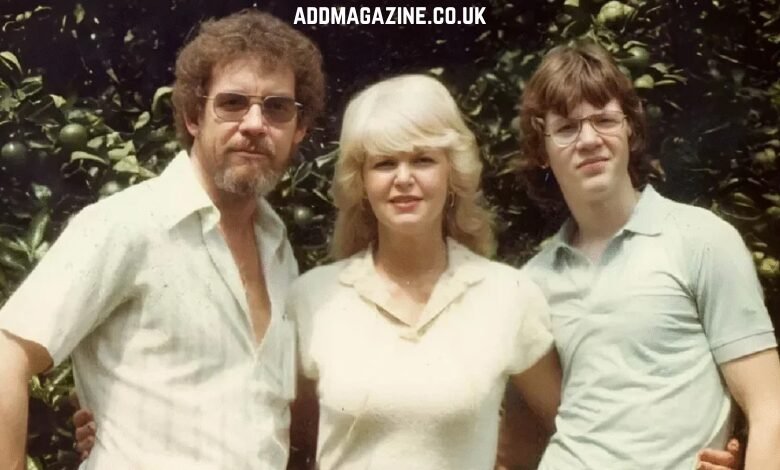
Vivian Ridge was an American artist, mother, and partner whose life, though largely private, intersected with a notable chapter in American art history. Best known for her marriage to painter Bob Ross, Vivian’s story reflects a life dedicated to art, family, and the careful cultivation of a creative environment. While she did not pursue public recognition, her influence shaped the early artistic development of her husband and her son.
Early Life and Background
Vivian Patricia Ridge was born on July 17, 1946, in Asheville, North Carolina. Her parents, both educators, encouraged curiosity, learning, and artistic exploration from an early age. Growing up in a household that valued education and creativity, Vivian developed an interest in drawing and painting as a child. By the age of 10, she was already experimenting with watercolors and landscape sketches, often inspired by the Appalachian surroundings.
Vivian attended Asheville High School, graduating in 1964. During high school, she participated in local art exhibitions and won several awards for her landscape paintings. She also explored photography and basic design principles, demonstrating a broad interest in visual arts.
College and Artistic Training
After high school, Vivian enrolled at Wake Forest University in 1964, majoring in Art History. During her college years, she deepened her understanding of Western and American art movements. She studied classical composition, color theory, and painting techniques, with a focus on natural landscapes and still life.
Vivian often painted outdoors during college summers, traveling across North Carolina and Virginia to capture rural scenes. Her work was noted for its attention to proportion and natural detail, and she gained recognition among faculty for her analytical approach to visual composition. She graduated in 1968 with a Bachelor’s degree in Art History.
Meeting Bob Ross
Vivian met Bob Ross in 1965 while he was serving in the United States Air Force. Bob had been stationed at a base in the Southeast and was pursuing painting as a hobby. The couple met through mutual friends in an art circle associated with the local university. Their shared interest in painting and creative expression led to a strong connection.
Vivian’s understanding of artistic technique complemented Bob’s instinctive approach. She provided constructive feedback, offered guidance on composition, and helped him refine his skills. Their early relationship was marked by collaboration and mutual support, both in art and personal life.
Marriage and Family Life
Vivian Ridge and Bob Ross married on December 18, 1965, when Vivian was 19 and Bob was 22. In the early years of their marriage, they lived in a small apartment near the airbase. Vivian balanced household responsibilities with her art, often painting alongside Bob during evenings and weekends.
Their first child, Robert Stephen “Steve” Ross, was born on May 30, 1966. Vivian’s focus shifted toward parenting, yet she continued to paint regularly. Family life included trips to forests, mountains, and lakes, where both Vivian and Bob painted landscapes while introducing Steve to art.
During this period, Vivian maintained a structured routine, integrating domestic life, child-rearing, and artistic practice. She preferred private, personal expression over public exposure and did not seek gallery representation for her work.
Artistic Work and Style
Vivian Ridge focused her artistic work on capturing landscapes, still lifes, and scenes inspired by the natural world. She experimented with watercolor, oil, and pastel. Her technique emphasized observation and realism, reflecting her academic training in art history.
Unlike Bob Ross, whose style evolved toward bold, instructional television-friendly painting, Vivian’s work remained private, thoughtful, and detailed. Her paintings often depicted Appalachian forests, rural landscapes, and botanical subjects. She occasionally taught small art workshops in her community but avoided public attention.
Vivian’s art emphasized precision, balance, and a careful study of color and perspective. Though her work was largely unseen by the public, it played a central role in shaping the home environment that nurtured both Bob and Steve Ross’s artistic development.
Role in Bob Ross’s Career
During their marriage, Vivian played a supportive, though understated, role in Bob Ross’s early artistic career. While he was stationed in the Air Force, Bob experimented with painting techniques in private. Vivian provided feedback on composition, color, and technique. She also helped manage their household, allowing Bob time to focus on his growing passion for painting.
When Bob began teaching regional workshops in the early 1970s, Vivian continued to manage domestic life and provided guidance behind the scenes. While she did not seek credit for her influence, her knowledge and insight contributed to the development of his wet-on-wet oil painting technique that would later gain widespread popularity.
Challenges and Divorce
As Bob Ross pursued television opportunities in the mid-1970s, the demands of travel and public exposure created tension in the marriage. Vivian preferred a more stable life focused on family and personal artistic pursuits.
The couple divorced on January 24, 1977, after 12 years of marriage. Vivian took custody of Steve Ross and relocated to Asheville, North Carolina. She prioritized privacy and stability, creating a nurturing environment for her son and continuing her artistic practice away from public attention.
Life After Divorce
Following the divorce, Vivian Ridge continued painting and mentoring in her community. She occasionally held small exhibitions or private teaching sessions but largely focused on raising Steve. She encouraged his interest in art without imposing professional expectations, fostering an environment in which creativity was supported but not pressured.
Vivian also engaged in professional work outside art, including administrative and consulting roles that allowed her to support her household. Despite her distance from public recognition, she remained an influential figure in the Ross household, shaping both Bob and Steve’s early artistic experiences.
Influence on Her Son
Vivian Ridge played a critical role in shaping her son Steve Ross’s artistic and personal development. From an early age, she encouraged observation, technique, and independent creativity. Steve was often included in painting sessions and art discussions, learning both theoretical and practical aspects of painting.
Her guidance emphasized consistency, observation, and personal engagement with art. These lessons provided a foundation that Steve would later build on in his own teaching and painting career, ensuring that her influence persisted beyond the home.
Later Years
Vivian Ridge spent her later years quietly in Asheville. She continued painting and occasionally mentored local artists. She maintained her privacy and preferred a lifestyle focused on family, creative practice, and community involvement.
Health challenges emerged in the 2010s, including a battle with cancer. Vivian approached these challenges with resilience, continuing her daily routines and artistic work as much as possible. She remained committed to her family and her personal approach to art until her death.
Death and Legacy
Vivian Ridge passed away on May 15, 2018, at the age of 71, in Asheville, North Carolina. She was remembered by family and close friends as a supportive mother, thoughtful artist, and private individual who valued stability, creativity, and mentorship.
Her legacy is reflected in the lives of those she influenced directly: her son Steve and her former husband Bob. While she did not seek public recognition, her contributions to the early artistic environment of the Ross family were significant. Her careful nurturing of creativity, dedication to family, and disciplined approach to art remain her lasting influence.
Vivian Ridge’s life illustrates the often-unseen impact of individuals who support and sustain creative talent behind the scenes. Her work, both artistic and familial, contributed to the environment that allowed Bob Ross’s and Steve Ross’s talents to flourish.
Conclusion
Vivian Ridge lived a life defined by thoughtful engagement with art, family, and mentorship. She combined academic training, personal creative practice, and dedicated parenting to shape an environment that valued observation, creativity, and discipline.
Although she did not seek fame or public recognition, her influence persists through her son and the foundational support she provided in Bob Ross’s early career. Vivian Ridge’s story reminds us that meaningful contributions to art and culture often occur quietly, through dedication, guidance, and personal example.
Her life reflects a balance between creativity, family responsibility, and personal integrity, demonstrating that influence does not always require public attention. Vivian Ridge’s legacy remains a testament to the value of quiet commitment, both in art and in life.