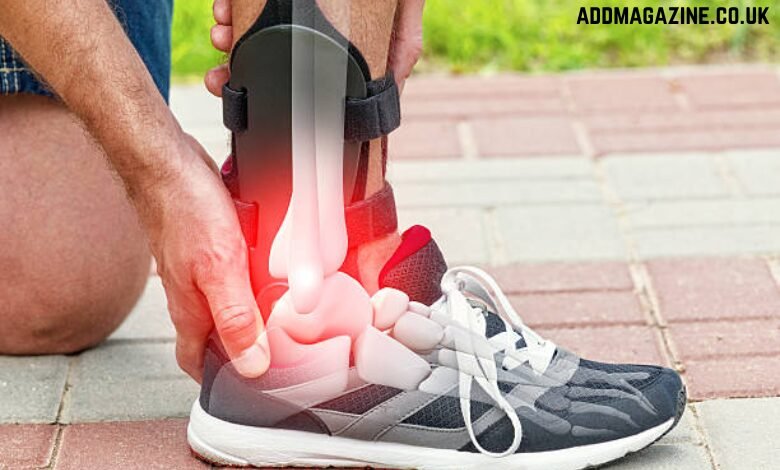
A lot of men start thinking about “orthopedic” shoes after a very specific moment. Usually it is not dramatic. It is a normal day that ends with tired feet, a dull ache in the heel, or that familiar pressure under the ball of the foot. You sit down, take your shoes off, and notice red marks you did not have in the morning.
At that point, most men don’t want a lecture. They want something that feels better, lasts through long days, and does not force them to “tough it out” every time they walk a bit more than usual.
That is where orthopedic walking shoes come in. They are not magic. They are simply built with different priorities: stability, pressure control, and fit that works with real feet, not just idealised foot shapes.
If you are considering orthopedic walking shoes, this guide will explain what they actually are, why they help, what features matter most, and who benefits the most from wearing them.
What makes a walking shoe “orthopedic”?
The word “orthopedic” gets used loosely online, so let’s ground it in practical terms.
An orthopedic-leaning walking shoe is typically designed to do three things:
- Reduce stress spikes (especially at the heel and forefoot) by managing pressure and impact.
- Improve stability by helping the foot sit and move in a more controlled way.
- Accommodate common foot realities: wider forefeet, higher insteps, swelling, and orthotics.
This is not just marketing language. Clinical advice about foot pain repeatedly points to the same basics: avoid tight or pointy shoes that compress the foot, and choose supportive, cushioned footwear that fits properly. The NHS plantar fasciitis page specifically warns against tight, pointy shoes, and Mayo Clinic advises choosing supportive shoes with thick soles, good arch support and extra cushioning for plantar fasciitis management.
So, “orthopedic” in a useful sense usually means the shoe is built to support foot mechanics and reduce common triggers like compression, friction, and unstable footing.
Why men are buying orthopedic walking shoes more than ever
Two trends are happening at once.
First, we walk more than we think. Even if you do not “work out,” your week is full of movement: commuting, errands, standing, travel days, work that keeps you on your feet.
Second, men are less willing to accept daily discomfort as normal. They are noticing the pattern: certain shoes create pain, certain shoes don’t.
The shift is not vanity. It is a quality-of-life decision. When your feet feel calmer, everything else becomes easier: posture, pace, mood, willingness to walk, and how long you can stay active without constantly needing breaks.
The real benefits of orthopedic walking shoes
1) Less pressure where it usually hurts
Most walking discomfort comes from repeated pressure and friction. In a narrow or poorly structured shoe, pressure concentrates under the heel, the ball of the foot, and the smaller toes. Over time, that can feel like soreness, burning, or sharp “hot spots.”
Research on footwear characteristics supports this idea in plain terms: shoes with “good” characteristics have been shown to reduce peak pressures in certain areas compared with people’s own shoes, while shoes with “poor” characteristics can increase peak pressure in the heel and toes.
Orthopedic walking shoes aim to reduce these spikes by shaping the midsole and footbed so the load spreads more evenly.
2) Better stability, especially on long days
Instability forces your ankles and lower legs to do constant small corrections. That adds fatigue fast.
Stability often starts at the heel. AAOS notes that the heel counter (the back of the shoe) should adequately grip your heel to ensure stability.
3) Support that helps common pain patterns
You will hear plantar fasciitis mentioned a lot in shoe conversations for a reason: it is one of the most common causes of heel pain. The practical guidance is consistent across credible sources. Avoid worn-out shoes, avoid walking barefoot on hard surfaces, and choose supportive shoes.
Orthopedic walking shoes tend to align with that advice by offering more structured arch support, heel cushioning, and a stable base.
4) More comfort for wide feet, swelling, and high insteps
Many men buy shoes based on length only. Width and depth are afterthoughts until the day they are not.
Swelling changes foot volume during the day, and wide forefeet are common. NHS guidance on choosing shoes for foot pain notes that wide-fitting shoes provide more space across the ball of the foot, and toe shape should be round or square to avoid squeezing the toes.
Orthopedic walking shoes often include wider toe boxes and extra depth so your foot is not fighting the shoe by late afternoon.
Features that actually matter (and why)
Ignore buzzwords. Focus on structure.
Heel counter you can trust
AAOS fit guidance highlights heel counter grip for stability.
Controlled cushioning
More cushioning is not always better. The goal is impact absorption without wobble.
Look for cushioning that feels supportive when you turn quickly and walk faster for a few steps.
Arch support that reduces fatigue
Not everyone needs aggressive arch support. But if you get arch fatigue, heel pain, or feel “tired feet” quickly, structured support helps.
Mayo Clinic Health System notes that adequate arch support is essential when treating plantar fasciitis and advises choosing supportive, hard-soled shoes such as sneakers.
Outsole grip and a stable base
Traction is part of comfort. Slips and micro-slides create compensations in stride. A walking shoe should feel confident on wet pavement and smooth indoor floors.
Flexibility in the right place
A good walking shoe should flex near the forefoot, not fold through the arch like paper.
Men with wide feet, swelling, bunions, or toe crowding
If you keep loosening laces but the forefoot still feels tight, it is often a width or depth issue. NHS guidance emphasises wide-fitting shoes and toe shape to avoid squeezing toes.
Men who use orthotics
Orthopedic walking shoes often make orthotics feel usable again because of depth and removable insoles.
Try shoes later in the day
If you swell, fitting at 9 AM can mislead you.
Wear your real socks
Try the shoes with the socks you actually wear for walking, including thicker cushioned socks if that’s your norm.
Do a two-minute walk test
Do not just stand. Walk briskly, turn quickly, and take ten faster steps.
Replace worn-out shoes before they become a problem
Mayo Clinic advises replacing old athletic shoes before they stop supporting and cushioning your feet.
If your “good pair” suddenly feels less good, it may not be your body changing. It may be your midsole flattening.
The Savvy Shopper’s Guide to Buying in the UK
If you want a straightforward place to compare walking-focused options built around comfort and supportive design, you can start here: orthopedic walking shoes.
It helps to compare toe box shapes, sole profiles, and closure systems side by side instead of guessing across random brands.
False Beliefs That Trap Men in the Wrong Footwear
“They’ll stretch out”
A little, maybe. But if your shoe is tight across the forefoot, “stretching out” often means you’re putting the upper under stress every step. That is not a plan.
“Soft equals supportive”
Soft foam can feel great for 10 minutes and feel terrible after 10,000 steps. Support comes from structure: stable base, controlled cushioning, secure heel.
“Orthopedic shoes look clinical”
Some still do. Many don’t. The category has moved closer to normal trainers, with cleaner silhouettes and wearable colourways. You can choose function without looking like you’re wearing medical equipment.
FAQ
How should they fit in the toe box?
You should have enough space that toes don’t press into the front or sides, and the toe shape should not squeeze your toes. AAOS suggests about 1/2 inch between your longest toe and the tip of the shoe.
Should I choose wide fit automatically?
Only if you need it. Signs you might: side pressure, red marks, toe crowding, or the shoe feeling “fine” in the morning but tight later. NHS guidance notes wide-fitting shoes provide more space across the ball of the foot and toe shape matters.
Can I use my own orthotics?
If the shoe has removable insoles and enough depth, usually yes.
Do orthopedic walking shoes need a break-in period?
A small adjustment period is normal, but pain and rubbing are not “break-in.” If a hotspot appears quickly, it usually becomes worse on longer walks.
How long should a good pair last?
It depends on mileage and wear, but if cushioning and support feel “dead,” you’re often due for replacement. Mayo Clinic specifically advises replacing worn-out athletic shoes before they stop supporting and cushioning your feet.
Wrapping up
The best walking shoe is the one you can forget about. Not because it is flimsy, but because it is doing its job quietly: holding the heel stable, giving toes room, distributing pressure, and absorbing impact without wobble.
Orthopedic walking shoes matter because they replace the old deal men used to accept: convenience or support, comfort or stability, normal looks or proper structure. You can have both now.