Choosing an e-bike for a teen is different from buying one for an adult commuter. If you are comparing models during an e bike sale, it can be tempting to focus on price, speed, and style first. For parents, though, safety should come before the deal.
Many families are looking at eletric bikes because they can help teens get to school, sports practice, part-time jobs, and friends’ houses without relying on a car ride every time. That independence can be helpful, but only if the bike fits the rider’s age, skill level, local laws, and daily route.
Why Safety Matters More for Teen E-Bike Riders
Teen riders often have less experience with traffic, road judgment, and emergency braking. An e-bike adds speed and weight, which means small mistakes can become more serious.
A safe choice starts with understanding how your teen will actually ride. A short neighborhood route needs a different bike than a busy school commute with traffic, hills, and crowded intersections.
Teen Riders Need More Than Speed
Fast does not always mean better. For a teen, smooth handling, controlled acceleration, and strong brakes matter more than top speed.
A bike that feels easy to control will usually be safer than one that feels powerful but unpredictable.
E-Bikes Are Heavier Than Regular Bikes
Most e-bikes weigh more than standard bikes because of the battery, motor, and frame design. That extra weight affects turning, stopping, parking, and lifting.
Before buying, make sure your teen can move the bike comfortably without help.
Traffic Awareness Takes Time
Even confident teen riders may not fully understand driver behavior. Cars pulling out of driveways, open car doors, and distracted drivers can create real risks.
That is why parents should think about the route, not just the bike.
Know the E-Bike Classes Before You Buy
E-bike classes help explain speed and motor behavior. They also affect where a teen may be allowed to ride.
Parents should check the class label before choosing a model. A bike that looks fun online may not be the right choice for a younger or less experienced rider.
Class 1 E-Bikes
Class 1 e-bikes use pedal assist only. The motor helps when the rider pedals and usually stops assisting at 20 mph.
For many teens, this is the safest starting point because the bike still feels close to a regular bicycle.
Class 2 E-Bikes
Class 2 e-bikes include throttle support, meaning the motor can move the bike without pedaling.
This can help with hills and starts, but parents should decide whether their teen is mature enough to use the throttle responsibly.
Class 3 E-Bikes
Class 3 e-bikes can assist at higher speeds, often up to 28 mph depending on state law.
For most teen riders, especially beginners, Class 3 may be too fast for school routes, bike paths, or neighborhood riding.
Check State and Local Rules First
E-bike laws are not the same everywhere in the U.S. Age limits, helmet rules, trail access, and school policies can vary by state, city, or district.
Before buying, parents should check local rules so the bike is legal for the teen’s age and riding area.
Age Limits Can Vary
Some places have age restrictions for certain e-bike classes, especially faster models. A bike may be legal for adults but not for younger riders.
This is one reason parents should avoid buying based only on appearance or performance.
Helmet Rules May Apply
Helmet rules often depend on the rider’s age and e-bike class. Even where helmets are not legally required, teens should wear one every ride.
A properly fitted helmet is one of the simplest safety steps parents can control.
School Rules Can Be Stricter
Some schools limit where students can ride or park e-bikes. Others may restrict faster models or require locks and registration.
Check school policy before assuming the bike can be used for daily campus parking.
Choose a Speed That Fits Your Teen’s Experience
Speed should match maturity, route, and riding skill. A teen who is new to cycling should not start with the fastest option.
A safer bike should feel steady and manageable at normal riding speeds.
Why Faster Is Not Always Safer
Higher speed reduces reaction time. It also makes falls and collisions more dangerous.
For teen riders, moderate speed is often the better choice.
Adjustable Assist Levels Help
Different assist levels let teens start slow and build confidence. Parents can encourage lower assist settings for crowded areas, school zones, and bike paths.
This makes the bike more flexible without pushing the rider too fast.
Avoid Overpowered Models
Some products look like e-bikes but perform more like small motorcycles. These are not ideal for teens.
Stick with clearly labeled, legal models that match local rules.
Look for Strong and Predictable Brakes
Brakes are one of the most important safety features on a teen e-bike. Since e-bikes are heavier and faster than regular bikes, stopping power matters.
Good brakes should feel smooth, steady, and easy for your teen to control.
Disc Brakes Are a Strong Choice
Disc brakes usually perform better than rim brakes, especially on heavier bikes or wet roads.
Hydraulic disc brakes often feel smoother, while mechanical disc brakes can be easier to service.
Brake Feel Matters
Your teen should be able to stop without squeezing too hard. If the brake levers feel stiff, weak, or jumpy, the bike may not be a good fit.
A test ride can reveal this quickly.
Regular Brake Checks Are Necessary
Brakes wear down over time. Parents should teach teens to check brake response before riding.
Pick the Right Frame Size and Bike Weight
Fit is a safety issue. A bike that is too tall, too long, or too heavy can be hard to control.
Your teen should be able to stand over the frame, reach the handlebars, and stop comfortably.
A Bike That Is Too Big Can Be Risky
If the rider struggles to get on or off, the bike is not the right fit.
A smaller, more manageable frame is often safer than a larger bike with more power.
Step-Through Frames Can Help
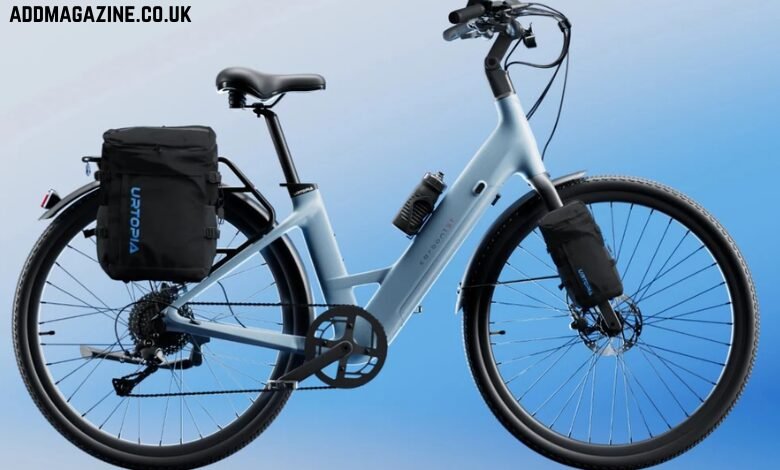
Step-through frames make mounting and stopping easier. This can be useful for younger teens or riders carrying a backpack.
Easy handling builds confidence.
Weight Matters Every Day
A teen may need to park the bike, push it through a garage, or move it around a school rack.
If the bike is too heavy, daily use becomes harder and less safe.
Prioritize Battery and Charging Safety
Battery safety matters for every e-bike, but it is especially important when teens are charging at home.
Parents should look for a safe battery system, clear charging instructions, and reliable brand support.
Use the Original Charger
Teens should only use the charger that comes with the bike or one recommended by the manufacturer.
Mismatched chargers can create safety risks.
Avoid Modified Batteries
Modified, rebuilt, or unknown batteries are not worth the risk. They may be cheaper, but they can create charging and fire hazards.
For teen riders, choose a battery from a trusted brand.
Teach Safe Charging Habits
Charge the bike in a safe, open area. Do not block exits. Do not leave it charging unattended for long periods.
Teens should understand that charging is part of responsible ownership.
Make Visibility a Must-Have Feature
Teen riders need to be seen by drivers, pedestrians, and other cyclists. Visibility should not be treated as an optional upgrade.
Choose a bike with lights and reflectors, then add extra gear if the route includes early morning or evening rides.
Front and Rear Lights
Built-in lights are helpful for school commutes and neighborhood riding.
A bright front light helps the rider see, while a rear light helps drivers notice them.
Reflective Details Help
Reflective tires, stickers, jackets, and backpack covers can improve visibility.
This is especially useful in cloudy weather or low-light conditions.
Bright Gear Adds Protection
A helmet, jacket, or bag in a bright color can make a teen easier to spot.
Visibility is a simple habit that supports safer riding.
Set Family Rules Before the First Ride
A safe e-bike choice also depends on behavior. Parents should set clear riding rules before handing over the keys or charger.
Rules work best when they are simple, specific, and tied to real routes.
Decide Where Riding Is Allowed
Choose approved roads, paths, and destinations. Avoid busy streets until your teen has more experience.
A planned route is safer than letting them figure it out while riding.
Set Rules for Throttle Use
If the bike has a throttle, decide when it can be used. Some families may limit throttle use near schools, sidewalks, or crowded areas.
Clear rules reduce risky habits.
Ban Phone Use While Riding
No texting, scrolling, or wearing both earbuds while riding. Teens need to hear traffic and focus on the road.
This rule should be non-negotiable.
Conclusion
Choosing a safe e-bike for a teen is not about finding the fastest or coolest model. It is about matching the bike to the rider’s age, experience, local laws, route, and maturity level.
Parents should focus on class, speed, fit, brakes, battery safety, visibility, and brand support. A properly fitted, legal, easy-to-control e-bike gives teens more independence without ignoring real risks.
The best choice is practical and predictable. When the bike feels manageable and the rules are clear, teen riders can enjoy more freedom while staying safer on everyday rides.