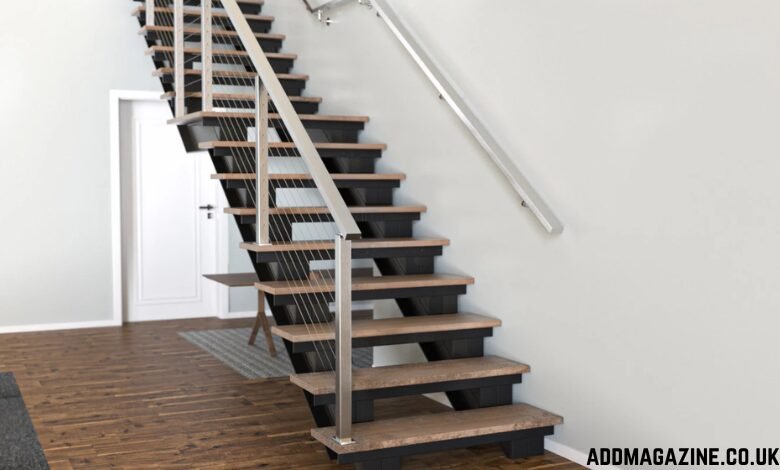
Georgia’s building code requirements for floating stairs present unique challenges that many property owners discover only when their projects face inspection delays or costly redesigns. The state’s adoption of the International Residential Code with local amendments means that floating stair installations must meet specific structural and safety standards that differ from traditional stair construction methods.
Understanding these requirements before beginning construction prevents project setbacks and ensures compliance with both state regulations and local jurisdictional requirements. The complexity increases in metropolitan areas where municipal codes may impose additional restrictions on unconventional stair designs.
Floating stairs, also known as cantilevered stairs, require careful attention to load-bearing calculations, connection methods, and safety features that traditional stairs handle through different structural approaches. The visual appeal of these installations comes with engineering responsibilities that building codes address through specific provisions.
Georgia Building Code Requirements for Floating Stair Construction
Georgia follows the International Residential Code with state-specific amendments that directly impact floating stair design and installation. The structural requirements focus on load-bearing capacity, connection strength, and deflection limits that ensure long-term stability under normal use conditions. For comprehensive planning guidance, the Floating Stairs Atlanta guide provides detailed insights into local code compliance strategies.
The code addresses floating stairs through provisions that cover cantilever construction, which requires each tread to support its designated load without visible support underneath. This approach demands stronger connection points and often requires structural modifications to supporting walls or framework.
Load calculations for floating stairs atlanta installations must account for both live loads from occupant use and dead loads from the stair materials themselves. The code specifies minimum live load requirements of 40 pounds per square foot for residential stairs, but floating designs often require higher safety factors due to their cantilever nature.
Structural Connection Standards
Building codes require floating stair connections to transfer loads safely to the building’s structural system. The connection method varies depending on whether the stairs attach to concrete, steel, or wood framing, with each material requiring different fastening approaches and load distribution strategies.
Steel bracket systems represent the most common code-compliant connection method for floating stairs atlanta projects. These brackets must be engineered to handle both vertical loads and the lateral forces that occur when people use the stairs dynamically rather than statically.
The connection depth into supporting structures follows minimum embedment requirements that ensure adequate pull-out resistance. Concrete attachments typically require deeper embedment than wood connections, while steel frame connections depend on weld strength and bracket design.
Deflection and Movement Limitations
Georgia’s building code establishes maximum deflection limits for stair treads under load, preventing excessive movement that could create safety concerns or user discomfort. Floating stairs must meet these deflection standards despite lacking intermediate supports that traditional stairs use to control movement.
The acceptable deflection typically measures as a fraction of the tread span, commonly limited to span divided by 360 under live load conditions. This standard ensures that floating stairs atlanta installations maintain structural integrity and user confidence over time.
Safety Code Compliance for Floating Stair Designs
Safety requirements for floating stairs address the unique risks associated with open-sided stairs and unconventional support systems. Georgia’s building code mandates specific safety features that protect users from falls and ensure reliable performance under emergency conditions.
Guardrail requirements become particularly important for floating stairs since the open design often eliminates traditional side supports. The code requires guardrails when stairs rise more than 30 inches above the floor below, with specific height and strength requirements that must integrate with the floating design.
Handrail provisions apply differently to floating stairs depending on their width and configuration. Single-flight floating stairs atlanta installations must provide handrails that meet grip requirements and height standards while maintaining the visual openness that motivates the floating design choice. When updating an existing staircase, careful handrail remodeling can help improve safety while keeping the overall design consistent with the floating stair configuration.
Tread Design and Slip Resistance
Code requirements for tread surfaces focus on preventing slips and falls, which become more critical with floating stairs due to their visual impact on user confidence. The minimum tread depth and maximum riser height standards apply equally to floating and traditional stairs, but enforcement often receives closer scrutiny for unconventional designs.
Surface texture requirements ensure adequate slip resistance across different materials commonly used for floating stair treads. Wood, steel, and stone treads each present different slip characteristics that must meet code standards for residential safety.
Nosing requirements may apply depending on tread depth and design, with provisions that ensure adequate foot placement area while maintaining the clean lines typical of floating stair aesthetics.
Lighting and Visibility Standards
Building codes address lighting requirements for stairs, with floating designs often requiring additional consideration due to their open construction. Adequate illumination prevents missteps and ensures safe navigation during all lighting conditions.
The code typically requires lighting that illuminates each tread adequately without creating confusing shadows or glare. Floating stairs atlanta projects often incorporate integrated lighting solutions that meet these requirements while enhancing the design’s visual appeal.
Local Jurisdictional Requirements in Atlanta Metro Area
Municipal building departments throughout the Atlanta metropolitan area apply additional requirements beyond Georgia’s state building code. These local amendments often address specific concerns about unconventional construction methods and may require additional documentation or engineering review for floating stair installations.
Permit application processes vary among jurisdictions, with some requiring structural engineering stamps for all floating stair projects while others evaluate applications case-by-case. Understanding local requirements before beginning design work prevents delays during the approval process.
Inspection procedures for floating stairs atlanta projects typically involve multiple stages, including connection inspections before concealing structural elements and final inspections after completion. Each jurisdiction establishes its own inspection priorities based on local experience and risk assessment.
Engineering Documentation Requirements
Many Atlanta-area jurisdictions require professional engineering documentation for floating stair installations, particularly when they involve significant structural modifications or unusual loading conditions. This requirement ensures that designs meet safety standards through qualified professional oversight.
Structural calculations must demonstrate compliance with load requirements and connection capacity. The documentation typically includes load path analysis showing how forces transfer from the stairs through the building structure to the foundation.
Drawing requirements often exceed standard construction drawing detail levels, with specific attention to connection details and structural integration points. Clear documentation reduces interpretation questions during plan review and inspection processes.
Historic District and Zoning Considerations
Atlanta’s historic districts may impose additional restrictions on floating stair installations, particularly when they affect building exteriors or significantly alter interior character. These requirements focus on preserving architectural integrity while allowing appropriate modernization.
Zoning requirements rarely directly address stair design but may influence floating stair projects through building modification restrictions or setback requirements that affect structural attachment options.
Common Code Compliance Challenges and Solutions
Floating stair installations face predictable code compliance challenges that experienced contractors learn to address through proven design and documentation strategies. Understanding these common issues helps property owners make informed decisions about project scope and budget allocation.
Structural integration represents the most frequent challenge, particularly in existing buildings where adding adequate support for floating stairs requires building modifications. Older buildings may lack the structural capacity or configuration needed for safe floating stair attachment without significant reinforcement.
According to the International Code Council, building code interpretation questions often arise when innovative designs don’t fit clearly within established code categories. Floating stairs atlanta projects benefit from early communication with building officials to establish acceptable compliance approaches.
Load Path Documentation
Demonstrating adequate load paths from floating stairs to the building’s foundation requires clear documentation that building officials can review confidently. The analysis must show how loads transfer through each connection point and structural element.
Computer modeling often provides the clearest demonstration of structural adequacy, particularly for complex installations or challenging building configurations. Professional engineering software generates the load path documentation that satisfies code requirements and building department review processes.
Alternative Compliance Methods
When standard code provisions don’t directly address floating stair design aspects, alternative compliance methods allow projects to proceed through equivalent safety demonstrations. These approaches require additional documentation but provide flexibility for innovative designs.
Performance-based compliance focuses on achieving code safety objectives through alternative methods rather than prescriptive requirement following. This approach works well for floating stairs atlanta installations that incorporate design features exceeding minimum code requirements in some areas while requiring alternative approaches in others.
Inspection Process and Timeline Considerations
Building inspection processes for floating stairs involve multiple checkpoints that align with construction phases and code enforcement priorities. Understanding inspection timing helps coordinate construction activities and prevents work delays due to missed inspection opportunities.
Pre-construction inspections may be required when floating stair installation involves structural modifications or complex connection details. These inspections verify that construction matches approved plans before work proceeds to stages where corrections become expensive.
Connection inspections occur before structural elements become concealed, allowing inspectors to verify that attachment methods match approved designs and meet workmanship standards. This inspection stage often determines project success since connection problems discovered later require extensive correction work.
Final Inspection Requirements
Final inspections for floating stairs atlanta installations verify completed work against code requirements and approved plans. Inspectors typically check dimensional compliance, safety feature installation, and overall workmanship quality.
Load testing may be required for some installations, particularly when alternative compliance methods were used or when local jurisdiction policies require performance verification. These tests demonstrate that completed installations meet design load requirements under actual conditions.
Conclusion
Successful floating stair projects in Georgia require thorough understanding of state building code requirements, local jurisdictional amendments, and proper engineering documentation. The complexity of these installations demands careful planning and professional expertise to navigate code compliance while achieving desired design outcomes.
Property owners benefit from engaging qualified professionals early in the planning process to identify potential code challenges and develop compliant design solutions. This proactive approach prevents costly redesigns and construction delays while ensuring safe, code-compliant installations.
The investment in proper code compliance pays dividends through reliable project approval processes, smooth inspections, and confidence in long-term performance. Floating stairs that meet Georgia’s building code requirements provide both visual appeal and structural reliability for decades of safe use.