Property developers and building managers across New York face a recurring challenge when planning multi-story construction or renovation projects: selecting stair systems that balance upfront costs with long-term operational requirements. The decision between steel and concrete stair construction affects not only immediate project budgets but also future maintenance schedules, tenant satisfaction, and property resale potential.
This choice becomes particularly complex in New York’s dense urban environment, where building codes are stringent, space constraints are common, and construction timelines directly impact revenue streams. The initial cost difference between materials often represents just a fraction of the total lifecycle impact on building operations and market value.
Understanding the operational implications of each material choice helps property stakeholders make informed decisions that align with their specific building requirements and financial objectives. The comparison extends beyond simple material costs to encompass installation complexity, maintenance demands, and long-term structural performance.
Material Performance Characteristics in Urban Construction
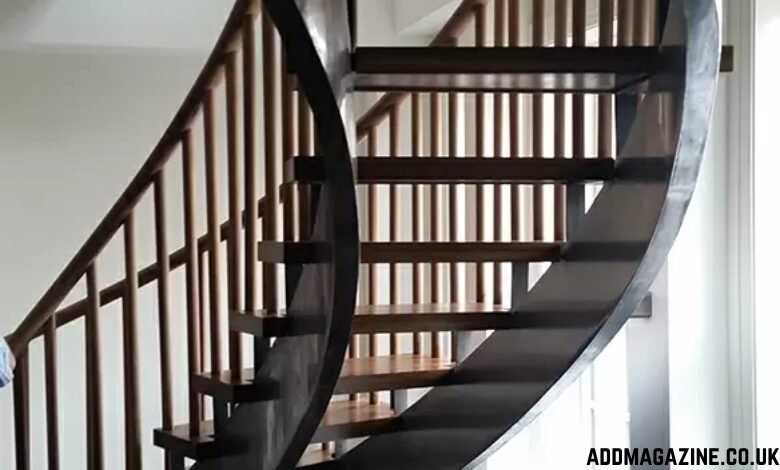
Steel and concrete stair systems exhibit fundamentally different performance profiles that directly affect building operations and user experience. Steel construction offers superior strength-to-weight ratios, allowing for more flexible architectural designs and reduced structural loads on building foundations. The material’s inherent properties make custom steel stairs new york installations particularly well-suited for buildings requiring precise dimensional control and rapid construction schedules.
Concrete stairs provide exceptional durability and fire resistance, characteristics that appeal to developers prioritizing long-term structural integrity. The material’s thermal mass properties contribute to building energy efficiency, while its monolithic construction reduces joint failure points that can develop maintenance issues over time.
The performance differences become pronounced under New York’s climate conditions, where temperature fluctuations and moisture exposure test material resilience. Steel systems require protective coatings and proper drainage design to prevent corrosion, while concrete installations must account for freeze-thaw cycling that can create surface deterioration and structural stress.
Structural Load Distribution and Building Integration
Steel stair systems distribute loads through discrete connection points, allowing structural engineers greater flexibility in building design and reducing the overall dead load on supporting structures. This characteristic proves particularly valuable in renovation projects where existing structural capacity may be limited or in high-rise construction where weight accumulation affects foundation requirements.
Concrete stairs create continuous load paths that integrate directly with building structural systems, providing inherent stability but requiring more substantial structural support. The material’s weight distribution characteristics can actually enhance building stability in certain seismic conditions, though this benefit comes with increased foundation and structural frame requirements.
Acoustic and Vibration Control Properties
The acoustic performance of stair systems significantly impacts tenant comfort and building marketability, particularly in mixed-use developments where sound transmission between floors affects residential and commercial spaces. Steel construction naturally transmits vibration and impact noise unless specifically designed with isolation systems and sound-dampening materials.
Concrete installations provide superior acoustic isolation due to the material’s density and continuous construction methods. The thermal mass of concrete stairs also contributes to sound absorption, reducing both impact noise and airborne sound transmission between building levels.
Construction Timeline and Project Coordination
The installation timeline for stair systems directly affects overall project schedules and carrying costs, making construction efficiency a critical factor in material selection. Steel stair fabrication occurs off-site in controlled manufacturing environments, allowing parallel construction activities that can significantly compress project timelines.
Prefabricated steel systems arrive on-site ready for installation, reducing weather-related delays and eliminating concrete curing periods that can extend construction schedules. This approach proves particularly valuable in New York’s dense construction environment, where site access limitations and coordination with multiple trades require precise scheduling.
Concrete stair construction requires on-site forming, reinforcement placement, and extended curing periods that must be coordinated with other building systems. The process demands favorable weather conditions and adequate site access for concrete delivery, factors that can introduce scheduling uncertainty in urban construction projects.
Site Access and Installation Logistics
Urban construction sites in New York often present challenging access conditions that affect material delivery and installation methods. Steel stair sections can be sized to fit through standard building openings and assembled in confined spaces, providing installation flexibility in tight urban lots or buildings with limited crane access.
Concrete installations require continuous access for material delivery and may necessitate longer site occupation periods that affect neighboring properties and street closures. The logistics of concrete delivery in dense urban areas can create scheduling complications and additional permitting requirements.
Weather Independence and Construction Continuity
Steel stair installation can proceed in various weather conditions once proper site preparation is complete, reducing the risk of weather-related project delays. The controlled manufacturing environment for steel fabrication eliminates many of the quality variables associated with on-site construction activities.
Concrete construction requires specific temperature and moisture conditions for proper curing, creating potential delays during New York’s winter months or periods of high humidity. These weather dependencies can compound scheduling challenges in projects with tight completion deadlines.
Long-Term Maintenance Requirements and Operational Costs
The maintenance profile of stair systems significantly impacts building operational budgets and tenant satisfaction over the building’s lifecycle. Steel stairs require periodic inspection and maintenance of protective coatings, particularly in areas exposed to moisture or high traffic volumes. The modular nature of steel construction allows for component replacement without affecting entire stair systems, potentially reducing long-term maintenance costs.
Concrete stairs typically require minimal routine maintenance but may develop surface wear or structural issues that demand more extensive repair procedures. The monolithic nature of concrete construction means that significant repairs often affect larger portions of the stair system, potentially requiring temporary access restrictions that impact building operations.
Understanding these maintenance patterns helps building owners budget for long-term operational costs and plan maintenance activities that minimize tenant disruption. The General Services Administration provides comprehensive guidelines for federal building maintenance that illustrate the long-term cost implications of different construction materials.
Traffic Durability and Surface Performance
High-traffic stair installations in commercial and residential buildings face continuous wear that tests material durability and surface integrity. Steel stairs with appropriate surface treatments can withstand heavy traffic loads while maintaining slip resistance and aesthetic appearance over extended periods.
Concrete stairs develop characteristic wear patterns that may require surface refinishing or protective treatments to maintain safety standards and visual appeal. The material’s inherent durability provides excellent long-term performance, but surface maintenance becomes more critical in high-visibility applications.
Environmental Exposure and Corrosion Resistance
New York’s urban environment exposes building materials to salt spray from winter road treatments, acid rain, and industrial pollutants that can accelerate material degradation. Steel stair systems require robust protective coatings and regular inspection to prevent corrosion that could compromise structural integrity or aesthetic appearance.
Concrete installations resist environmental exposure well but may develop surface deterioration from freeze-thaw cycles or chemical exposure. The material’s alkaline nature provides natural corrosion protection for embedded reinforcement, though proper concrete cover and quality control during installation remain critical for long-term performance.
Cost Analysis and Return on Investment
The financial comparison between steel and concrete stair systems extends beyond initial material and installation costs to encompass long-term value creation and operational efficiency. Steel systems typically command higher upfront costs but may provide faster construction completion and earlier revenue generation in income-producing properties.
Concrete installations often present lower initial costs but may require longer construction periods that delay project completion and revenue realization. The total cost analysis must account for carrying costs during extended construction periods and the impact of delayed occupancy on project returns.
Property value implications also factor into the financial analysis, as stair systems affect building aesthetics, functionality, and tenant appeal. High-quality stair installations can enhance property marketability and support premium rental rates or resale values that justify higher initial investments.
Insurance and Risk Management Considerations
Building insurance rates and risk assessments can vary based on construction materials and fire resistance characteristics. Concrete stair systems typically receive favorable consideration from insurance underwriters due to superior fire resistance and structural stability under extreme conditions.
Steel installations may require additional fire protection measures to achieve equivalent insurance ratings, though proper design and protection systems can achieve comparable risk profiles. The modular nature of steel construction may actually reduce certain risk exposures by allowing faster emergency access and more flexible evacuation routes.
Market Positioning and Tenant Appeal
The choice between steel and concrete stairs affects building market positioning and tenant attraction strategies. Modern steel stair designs can create distinctive architectural statements that appeal to creative industries and upscale residential tenants seeking contemporary building aesthetics.
Traditional concrete installations may better serve institutional or conservative commercial tenants who prioritize durability and conventional building characteristics. Understanding target tenant preferences helps guide material selection decisions that optimize building marketability and occupancy rates.
Conclusion
The decision between custom steel stairs and concrete installations in New York buildings requires careful evaluation of multiple factors that extend well beyond initial cost considerations. Steel systems offer construction efficiency, design flexibility, and modern aesthetics that can accelerate project timelines and enhance market appeal. Concrete installations provide proven durability, fire resistance, and acoustic performance that support long-term operational stability.
Property developers and building owners must weigh these characteristics against their specific project requirements, timeline constraints, and financial objectives. The $50,000 cost differential often cited between premium steel and standard concrete installations represents just one component of a complex decision that affects building performance, tenant satisfaction, and property values for decades.
Successful material selection requires consultation with structural engineers, architects, and construction professionals who understand local building codes, site conditions, and market expectations. The investment in professional guidance during the design phase typically yields significant returns through optimized construction efficiency, reduced long-term maintenance costs, and enhanced property market positioning.