Manufacturing facilities rely on pneumatic systems to power critical production equipment, from automated assembly lines to material handling systems. When these systems fail due to seal degradation, the consequences extend far beyond a simple maintenance issue. Production stops, schedules fall behind, and teams scramble to identify replacement components that may not be readily available.
The challenge lies in the complexity of seal selection itself. Modern pneumatic cylinders operate under varying pressure conditions, temperature ranges, and environmental exposures that demand specific seal materials and configurations. Many maintenance professionals discover too late that standard replacement approaches often overlook critical compatibility factors, leading to premature failure and repeated downtime events.
Understanding the engineering principles behind effective seal selection helps facilities maintain consistent operation while reducing the frequency of emergency repairs. The difference between reactive maintenance and planned component replacement often comes down to recognizing how operational conditions interact with seal design characteristics.
Material Chemistry and Operational Environment Compatibility
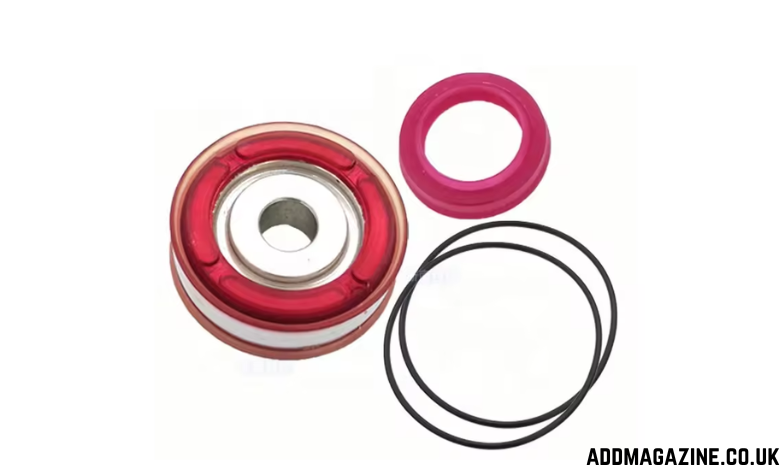
The relationship between seal materials and operating environments determines long-term system reliability. A pneumatic cylinder seal kit contains multiple seal types, each engineered for specific chemical and thermal conditions. Nitrile rubber performs well in standard industrial environments but degrades rapidly when exposed to certain hydraulic fluids or elevated temperatures.
Polyurethane seals offer superior wear resistance in high-cycle applications but may become brittle in cold storage environments. Fluoroelastomer materials handle aggressive chemicals effectively while maintaining flexibility across wide temperature ranges, though they require careful installation to prevent damage during assembly.
Environmental factors beyond direct chemical contact influence material performance. Facilities with high humidity levels may experience accelerated aging in certain rubber compounds, while dust-heavy environments can cause abrasive wear that compromises seal integrity over time.
Temperature Cycling Effects on Seal Longevity
Repeated thermal expansion and contraction creates stress patterns within seal materials that may not become apparent until months after installation. Seals that perform adequately at steady operating temperatures often fail prematurely when subjected to regular temperature variations. The molecular structure of elastomeric materials changes with temperature cycles, gradually reducing their ability to maintain consistent contact pressure against cylinder walls.
Facilities operating equipment in outdoor environments or unheated buildings face particular challenges. Winter cold followed by operational heating can create expansion differentials between metal cylinder components and rubber seals, leading to temporary gaps that allow pressure loss.
Chemical Resistance Beyond Standard Compatibility Charts
Standard chemical compatibility references provide general guidance but may not account for the specific concentration levels, mixture combinations, or exposure duration present in individual applications. Many industrial pneumatic systems encounter trace amounts of cleaning solvents, lubricants, or process chemicals that can gradually compromise seal materials despite appearing compatible on paper.
The cumulative effect of multiple chemical exposures often proves more damaging than any single substance. A seal material rated for both hydraulic oil and cleaning solvent exposure may still fail when exposed to both simultaneously, as the combination alters the chemical interaction patterns.
Pressure Dynamics and Seal Configuration Requirements
Pneumatic systems operate under varying pressure conditions that create different sealing challenges throughout each operating cycle. Static pressure requirements differ significantly from dynamic pressure management, and many seal failures occur during pressure transition phases rather than at steady operating conditions.
Rod seals must maintain contact during extension and retraction movements while managing pressure differentials that change as the cylinder moves through its stroke. Piston seals face bidirectional pressure loads that can cause extrusion or rolling depending on the seal design and groove configuration.
Pressure spikes during rapid cycling create temporary stress levels that exceed normal operating parameters. These transient conditions may only last milliseconds but can initiate micro-tears or deformation that propagates over subsequent operating cycles.
Dynamic Loading Patterns and Seal Geometry
The physical shape and cross-sectional design of individual seals must match the loading patterns created by specific cylinder applications. O-rings provide reliable sealing in static applications but may roll or twist when subjected to dynamic pressures in improperly designed grooves. U-cup seals handle dynamic pressure changes effectively but require precise groove dimensions to prevent extrusion under high pressure conditions.
Asymmetrical loading occurs when cylinders operate at angles or support uneven loads during operation. Standard seal configurations may not maintain proper contact pressure under these conditions, leading to gradual leakage that worsens as seals wear unevenly.
Pressure Recovery and Seal Relaxation
Many pneumatic systems experience pressure variations during normal operation, requiring seals that can accommodate compression and relaxation cycles without losing their sealing effectiveness. Seals that become permanently deformed under pressure may not return to their original dimensions during pressure relief, creating permanent leakage paths.
The rate of pressure change influences seal performance as much as absolute pressure levels. Gradual pressure increases allow seals to adjust and maintain contact, while rapid pressure changes can cause temporary separation that allows air bypass.
Installation Tolerances and Groove Specifications
Proper seal function depends on precise dimensional relationships between seals, grooves, and mating surfaces. Even high-quality seals will fail prematurely if installed in grooves that are too wide, too narrow, or improperly finished. Manufacturing tolerances that seem insignificant can create conditions that prevent seals from maintaining proper contact pressure.
Surface finish requirements extend beyond simple smoothness measurements. The direction and depth of machining marks influence how seals conform to cylinder surfaces, with some patterns creating leak paths while others enhance sealing effectiveness.
Groove depth variations affect seal compression ratios, which must fall within specific ranges to ensure proper sealing without excessive stress. Too little compression allows leakage, while excessive compression can cause seal extrusion or premature aging due to constant stress.
Assembly Damage Prevention
Installation procedures significantly influence initial seal performance and long-term reliability. Sharp edges on cylinder ports or grooves can cut or nick seals during assembly, creating immediate leak paths that may not become apparent until the system reaches full operating pressure.
Proper lubrication during installation reduces friction that could damage seal lips or cause rolling during initial pressurization. However, lubricant compatibility with both seal materials and system fluids requires careful selection to avoid chemical reactions that could compromise seal integrity.
Clearance Management and Thermal Growth
Operating temperatures cause differential expansion between cylinder materials and seal compounds, potentially altering clearance relationships that were correct during room-temperature assembly. Aluminum cylinders expand more rapidly than steel components, which can compress seals beyond their design limits or create excessive clearances as temperatures change.
The timing of thermal effects varies with system design, creating complex interactions between clearance changes and pressure cycles. Systems that reach operating temperature quickly may stress seals differently than those with gradual warm-up periods.
Maintenance Scheduling and Predictive Replacement Strategies
Effective pneumatic system maintenance requires understanding how seal degradation progresses under specific operating conditions. Unlike mechanical components that show obvious wear patterns, seals often maintain adequate function until failure occurs suddenly, leaving little warning for maintenance planning.
Monitoring techniques that detect early seal deterioration help facilities transition from reactive maintenance to planned replacement schedules. Pressure decay testing reveals small leakage rates before they become operationally significant, while visual inspection of rod seals can identify surface cracking or hardening that indicates approaching failure.
Operating hour tracking provides baseline data for establishing replacement intervals, though actual seal life varies significantly based on environmental conditions, pressure cycling frequency, and operational duty cycles. Facilities with similar equipment often experience different seal life patterns due to variations in installation quality, operating procedures, or environmental factors.
Performance Degradation Indicators
Gradual performance changes often precede complete seal failure by weeks or months. Slightly increased air consumption may indicate developing leaks in piston seals, while reduced cylinder force output suggests pressure loss across rod seals. These early indicators allow maintenance planning before equipment failure disrupts production schedules.
Seasonal performance variations can reveal environmental sensitivities that help predict future maintenance requirements. Seals that show increased leakage during summer heat or winter cold provide information about temperature sensitivity that affects replacement timing and material selection for future repairs.
Inventory Management for Critical Applications
Maintaining appropriate seal inventory requires balancing the cost of carrying multiple seal types against the risk of extended downtime when specific seals are unavailable. Critical production equipment may justify maintaining complete seal kits on-site, while less critical systems can rely on standard delivery schedules.
Shelf life considerations affect inventory strategies for facilities with low seal consumption rates. Rubber compounds gradually deteriorate during storage, particularly when exposed to heat, light, or ozone according to established degradation mechanisms, making regular inventory rotation necessary to ensure seal quality when needed.
System Integration and Performance Optimization
Pneumatic cylinder seals function as components within larger systems where their performance affects overall operational efficiency. Air consumption rates, cycle times, and positioning accuracy all depend on maintaining proper seal function across multiple cylinders operating simultaneously.
System pressure regulation affects seal loading patterns and longevity across all connected cylinders. Pressure regulators that maintain consistent operating pressure reduce stress cycling on seals, while systems with significant pressure variation create accelerated wear patterns that require more frequent maintenance.
The interaction between different cylinder types within the same system creates maintenance scheduling challenges. Rod seals and piston seals may have different replacement intervals, requiring coordination to minimize system downtime while ensuring reliable operation.
Air Quality Impact on Seal Performance
Compressed air quality directly influences seal life and system reliability. Moisture contamination can cause corrosion of cylinder surfaces that damages seals through abrasive wear, while oil contamination from compressor systems may cause seal swelling or chemical degradation depending on seal materials and oil types.
Particulate contamination in compressed air creates abrasive conditions that gradually wear seal surfaces and cylinder walls. Even small amounts of dust or metal particles can significantly reduce seal life, particularly in high-cycle applications where contamination effects accumulate rapidly.
Load Distribution and Cylinder Mounting
Mechanical loading patterns affect seal wear through their influence on cylinder alignment and pressure distribution. Cylinders operating under side loads or moment forces create uneven pressure patterns against seals, potentially causing accelerated wear on one side while leaving other areas relatively unaffected.
Mounting configurations that allow slight misalignment during operation help accommodate thermal expansion and mechanical tolerances, but excessive flexibility can create dynamic loading that accelerates seal wear. The balance between rigid mounting and operational flexibility requires careful consideration of both mechanical and thermal factors.
Conclusion
Successful pneumatic cylinder seal selection extends beyond simple size and material matching to encompass a comprehensive understanding of operational conditions, system integration requirements, and long-term maintenance strategies. The twelve engineering factors outlined in this guide represent critical decision points that influence both immediate performance and long-term reliability.
Material chemistry compatibility with operational environments forms the foundation of reliable seal performance, while proper attention to pressure dynamics, installation tolerances, and maintenance scheduling ensures that systems continue operating effectively throughout their service life. The interaction between these factors creates complex relationships that require careful consideration during both initial selection and ongoing maintenance planning.
Facilities that invest time in understanding these engineering principles typically experience reduced emergency maintenance events, more predictable operating costs, and improved production reliability. The transition from reactive maintenance to planned component replacement represents a significant operational improvement that benefits from thorough understanding of seal selection criteria and their real-world implications.