Manufacturing decisions around component integration carry consequences that extend far beyond initial cost considerations. When plastic components require rubber seals, grips, or protective barriers, companies face a fundamental choice between mechanical assembly methods and overmolding processes. This decision affects product reliability, manufacturing consistency, and long-term operational costs across industries from medical devices to automotive systems.
The overmolding process bonds dissimilar materials during manufacturing, creating single components that would otherwise require multiple assembly steps. While this approach offers clear advantages in durability and production efficiency, the selection of appropriate service providers requires careful evaluation of technical capabilities, quality systems, and operational alignment. Poor provider selection leads to material compatibility issues, dimensional inconsistencies, and costly production delays.
Understanding the key evaluation criteria helps procurement teams and engineering managers make informed decisions that support both immediate production needs and long-term manufacturing objectives. The following framework addresses the critical questions that distinguish capable overmolding providers from those likely to create operational problems.
Material Compatibility and Bonding Capabilities
Material compatibility forms the foundation of successful overmolding operations. The process relies on chemical and mechanical bonds between substrate materials and overmolded compounds, with bond strength determining final component performance. Different material combinations require specific processing parameters, mold designs, and quality control measures to achieve reliable results.
Experienced providers maintain extensive material databases that document compatible combinations, processing windows, and expected bond strengths. This knowledge becomes critical when evaluating new product requirements or addressing performance issues. A comprehensive Overmolding Services guide typically covers material selection criteria, processing considerations, and quality requirements that support informed decision-making.
Substrate Material Requirements
Substrate selection affects every aspect of the overmolding process, from mold design to final component performance. Thermoplastic substrates offer different bonding characteristics compared to metal or ceramic options, requiring adjusted processing parameters and quality control methods. Surface preparation, material conditioning, and handling procedures must align with substrate properties to ensure consistent bonding.
Providers should demonstrate clear understanding of how substrate materials affect processing decisions. This includes knowledge of thermal expansion differences, surface energy requirements, and potential contamination sources that compromise bond integrity. Documentation of successful projects with similar substrate materials provides evidence of relevant experience.
Overmold Material Selection
Overmold materials must satisfy both functional requirements and processing constraints. Thermoplastic elastomers offer different performance characteristics compared to thermoset rubbers, affecting final component properties like flexibility, chemical resistance, and temperature stability. Processing temperatures, cure times, and demolding requirements vary significantly between material types.
Capable providers guide material selection based on end-use requirements rather than processing convenience. They understand how material properties affect component performance and can recommend alternatives when initial selections prove problematic. This expertise becomes valuable when balancing competing requirements like cost, performance, and manufacturability.
Manufacturing Process Control and Quality Systems
Process control in overmolding operations requires precise management of temperature, pressure, timing, and material flow parameters. Small variations in any of these variables can result in incomplete bonding, dimensional variations, or component failures. Systematic process control ensures consistent results across production runs and multiple manufacturing campaigns.
Quality systems must address both individual process steps and final component verification. This includes material handling procedures, equipment calibration schedules, and documentation requirements that support traceability and continuous improvement efforts. Providers should demonstrate established procedures for process validation, change control, and corrective action implementation.
Equipment Capabilities and Maintenance
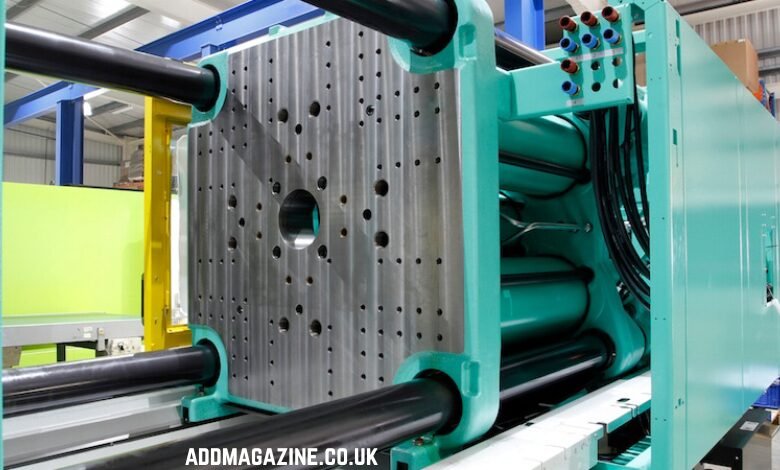
Overmolding equipment requires specialized injection units, heating systems, and mold handling capabilities that differ from standard injection molding setups. Multi-shot machines, rotary systems, and transfer mechanisms must operate within tight tolerances to ensure proper material placement and bonding. Equipment condition and maintenance practices directly affect process consistency and component quality.
Providers should maintain current equipment inventories, preventive maintenance schedules, and backup capacity for critical production requirements. Understanding of equipment limitations helps identify potential bottlenecks or quality risks before they affect production schedules. Regular calibration and process monitoring demonstrate commitment to consistent manufacturing performance.
Statistical Process Control Implementation
Statistical process control in overmolding operations tracks key variables that affect bond strength, dimensional accuracy, and component performance. Control charts, capability studies, and trend analysis help identify process drift before it results in nonconforming components. Data collection methods must capture relevant process parameters without disrupting production flow.
Effective providers use process data to drive continuous improvement efforts and support customer quality requirements. They understand which variables most significantly affect component performance and maintain control systems that prevent process excursions. Regular process capability assessments demonstrate ongoing commitment to quality improvement.
Tooling Design and Manufacturing Expertise
Mold design for overmolding applications requires specialized knowledge of material flow, thermal management, and component handling considerations. Unlike single-material injection molds, overmolding tools must accommodate multiple materials, sequential processing steps, and precise component positioning. Gate locations, venting systems, and cooling circuits must support both substrate placement and overmold material distribution.
Tool manufacturing quality affects component consistency, production efficiency, and overall manufacturing costs. Precision machining, proper steel selection, and surface finish specifications contribute to mold performance and longevity. Providers should demonstrate both design capabilities and manufacturing quality that support long-term production requirements.
Mold Flow Analysis and Design Validation
Mold flow analysis for overmolding applications must consider the interaction between substrate components and flowing overmold material. Flow patterns, pressure distribution, and cooling rates affect both bond formation and final component dimensions. Simulation results guide gate placement, runner design, and cooling system optimization before tool construction begins.
Design validation through prototyping and process trials confirms simulation predictions and identifies potential manufacturing issues. Providers should conduct systematic mold trials that evaluate process windows, quality characteristics, and production efficiency. Documentation of trial results supports process optimization and future troubleshooting efforts.
Tool Maintenance and Modification Capabilities
Overmolding tools require specialized maintenance procedures that address material buildup, wear patterns, and component alignment issues. Regular cleaning, inspection, and preventive maintenance prevent quality problems and extend tool life. Modification capabilities become important when design changes or process improvements require tool updates.
Providers should maintain tool maintenance schedules, spare part inventories, and modification capabilities that minimize production disruptions. Understanding of common wear patterns and failure modes helps prevent unexpected downtime. Clear procedures for tool qualification after maintenance or modification work ensure continued process capability.
Technical Support and Problem Resolution
Technical support capabilities determine how effectively providers respond to processing issues, quality problems, and design optimization opportunities. Overmolding processes involve complex interactions between materials, processing conditions, and component geometry that require experienced troubleshooting when problems arise. Responsive technical support minimizes production disruptions and supports continuous improvement efforts.
Problem resolution requires systematic approaches that identify root causes rather than addressing symptoms. This includes understanding of material science principles, process interactions, and quality control methods that support effective troubleshooting. According to the International Organization for Standardization, systematic problem-solving approaches reduce recurring issues and support long-term process stability.
Engineering Support and Design Optimization
Engineering support helps optimize component designs for overmolding manufacturing while maintaining functional requirements. This includes recommendations for geometry modifications, material selections, and processing considerations that improve manufacturability. Design feedback early in development cycles prevents costly changes during production phases.
Experienced providers offer design review services that identify potential manufacturing issues before tooling construction begins. They understand how component geometry affects material flow, bonding characteristics, and quality control requirements. Collaborative design processes result in components optimized for both performance and manufacturing efficiency.
Process Optimization and Continuous Improvement
Process optimization in overmolding operations focuses on improving cycle times, reducing waste, and enhancing component quality through systematic analysis of processing variables. Data-driven approaches identify opportunities for improvement while maintaining process stability. Continuous improvement efforts result in cost reductions and quality enhancements over time.
Providers should demonstrate commitment to ongoing process improvement through regular capability assessments, efficiency analyses, and quality system updates. They track key performance indicators that measure both manufacturing efficiency and customer satisfaction. Improvement initiatives should address both immediate operational needs and long-term strategic objectives.
Supply Chain Management and Production Scaling
Supply chain management for overmolding operations requires coordination of multiple material types, processing schedules, and quality control requirements. Material availability, quality consistency, and cost stability affect overall manufacturing performance and customer satisfaction. Effective providers maintain supply chain relationships that support both routine production and emergency requirements.
Production scaling capabilities become critical when demand fluctuations or new program launches require capacity adjustments. This includes equipment availability, workforce flexibility, and quality system scalability that maintain performance standards across different production volumes. Understanding of scaling limitations helps prevent quality problems during ramp-up periods.
Material Sourcing and Quality Control
Material sourcing for overmolding applications requires suppliers that provide consistent quality, reliable delivery, and technical support for processing optimization. Material certifications, incoming inspection procedures, and supplier qualification processes ensure that raw materials meet both specification requirements and processing needs. Supply chain diversification reduces risks associated with material shortages or quality problems.
Qualified providers maintain approved supplier lists, material certification requirements, and incoming quality control procedures that prevent material-related production issues. They understand how material variations affect processing parameters and final component properties. Regular supplier audits and performance assessments ensure continued supply chain reliability.
Capacity Planning and Resource Management
Capacity planning addresses equipment utilization, workforce requirements, and facility capabilities needed to support customer production schedules. Accurate capacity assessments prevent over-commitment and ensure reliable delivery performance. Resource management includes both routine production planning and contingency preparations for unexpected demand changes.
Effective providers maintain capacity models that account for setup times, quality control requirements, and equipment maintenance needs. They understand how different component types affect throughput rates and resource utilization. Clear communication of capacity constraints helps customers plan production schedules and manage inventory requirements.
Quality Assurance and Testing Capabilities
Quality assurance in overmolding operations must address bond integrity, dimensional accuracy, and functional performance requirements specific to each application. Testing protocols verify that completed components meet both specification requirements and end-use performance expectations. Comprehensive quality programs include both routine production monitoring and capability validation studies.
Testing capabilities should align with customer requirements and industry standards relevant to specific applications. This includes mechanical testing, environmental exposure studies, and functional performance evaluations that demonstrate component reliability. Documentation of test results supports both quality certifications and continuous improvement efforts.
Bond Strength Testing and Validation
Bond strength testing verifies the integrity of material interfaces created during overmolding processes. Test methods must reflect actual service conditions and loading patterns to provide meaningful performance data. Regular bond strength monitoring identifies process variations before they result in component failures.
Validation studies establish baseline performance characteristics and acceptance criteria for routine production monitoring. Providers should maintain testing equipment, procedures, and documentation that support both development activities and production quality control. Understanding of failure modes and testing limitations ensures appropriate test method selection.
Dimensional Measurement and Control
Dimensional measurement in overmolded components requires specialized techniques that account for material property differences and complex geometries. Measurement uncertainty, fixture design, and environmental conditions affect accuracy and repeatability of dimensional data. Control plans specify critical dimensions, measurement frequencies, and acceptance criteria that ensure component functionality.
Capable providers maintain calibrated measurement equipment, trained inspection personnel, and documented measurement procedures that support accurate dimensional control. They understand how processing variables affect component dimensions and implement control strategies that minimize variation. Statistical analysis of dimensional data identifies trends and supports process improvement efforts.
Conclusion
Successful overmolding service selection requires systematic evaluation of technical capabilities, quality systems, and operational alignment with customer requirements. The twelve question areas outlined in this guide address the critical factors that determine manufacturing success or failure in overmolding applications. Providers who demonstrate competence across these areas typically deliver reliable performance and support long-term manufacturing objectives.
The consequences of poor provider selection extend beyond immediate cost considerations to affect product reliability, customer satisfaction, and competitive positioning. Investment in thorough provider evaluation pays returns through reduced manufacturing risks, improved component performance, and enhanced operational efficiency. Companies that apply systematic selection criteria consistently achieve better outcomes in their overmolding programs.
Manufacturing success in overmolding applications depends on the alignment between provider capabilities and specific application requirements. The framework presented here helps procurement teams and engineering managers identify providers with the technical knowledge, quality systems, and operational capabilities needed to support their manufacturing objectives. Careful provider selection forms the foundation for successful overmolding programs that deliver both immediate production needs and long-term strategic value.