Clothing retailers face mounting pressure to balance packaging costs with customer satisfaction while maintaining brand perception and operational efficiency. The choice between poly mailers, bubble mailers, and paper bags directly impacts shipping expenses, product protection, and customer unboxing experience. Each packaging option carries distinct cost structures, protection capabilities, and environmental considerations that affect long-term profitability.
The complexity extends beyond unit costs. Damage rates, return processing expenses, and storage requirements vary significantly across packaging types. Retailers operating on thin margins cannot afford packaging decisions based solely on upfront pricing. Understanding the total cost of ownership for each packaging option enables informed decisions that protect both products and profit margins.
Understanding Packaging Economics for Clothing Retail
Clothing packaging costs extend far beyond the initial purchase price of bags or mailers. The true economic impact encompasses storage space utilization, fulfillment center efficiency, shipping weight considerations, and damage-related losses. Retailers analyzing packaging options must evaluate these interconnected factors to determine actual return on investment.
Modern clothing retailers require packaging solutions that accommodate diverse product types while maintaining consistent protection standards. A comprehensive Wholesale Packaging Bags For Clothes guide reveals how different packaging materials perform across various clothing categories and shipping conditions.
Cost Structure Analysis
Packaging expenses manifest in multiple operational areas that retailers must account for when calculating total investment. Direct costs include material procurement, but indirect expenses often represent larger budget impacts.
Labor costs change based on packaging complexity and handling requirements. Simple poly mailers require minimal handling time, while paper bags may need additional protective measures for fragile items. These efficiency differences compound across thousands of daily shipments, creating substantial operational cost variations.
Protection Performance Standards
Clothing items require different protection levels based on fabric type, construction, and retail value. Delicate garments face damage risks from moisture, crushing, and punctures during transit.
Each packaging type offers distinct protection characteristics that align with specific clothing categories. Understanding these protection profiles allows retailers to match packaging investment with actual risk exposure, avoiding both over-protection waste and under-protection losses.
Poly Mailer Performance Characteristics
Poly mailers represent the most cost-effective packaging solution for clothing retailers, offering lightweight protection suitable for a wide range of garments. These plastic envelopes provide moisture resistance and tear strength while minimizing shipping weight and storage space requirements. The streamlined design reduces fulfillment handling time and supports high-volume processing operations.
The material composition of poly mailers creates effective barriers against common shipping hazards including water exposure and minor impacts. However, the protection level remains limited compared to more robust packaging options. This limitation requires careful consideration of product compatibility and shipping route conditions.
Operational Efficiency Benefits
Poly mailers excel in fulfillment center environments where speed and efficiency drive operational success. The lightweight construction reduces shipping costs across all carrier services, while the compact storage profile maximizes warehouse space utilization. Fulfillment staff can process poly mailer shipments rapidly due to the simple sealing mechanism and minimal handling requirements.
The consistent dimensions of poly mailers support automated packaging systems and standardized storage solutions. This standardization reduces training requirements and minimizes handling errors that can delay shipment processing. High-volume retailers benefit from these efficiency gains through improved throughput and reduced labor costs.
Product Compatibility Considerations
Poly mailers work effectively for clothing items that can compress without damage and do not require rigid protection. T-shirts, lightweight fabrics, and casual wear typically ship successfully in poly mailers without protection concerns. However, structured garments, delicate fabrics, and items with embellishments may suffer damage from the flexible protection level.
Retailers must evaluate their product mix to determine poly mailer suitability across different clothing categories. Items prone to wrinkling or crushing require alternative packaging solutions despite the cost advantages poly mailers provide. This evaluation prevents damage-related costs that can exceed packaging savings.
Bubble Mailer Protection Advantages
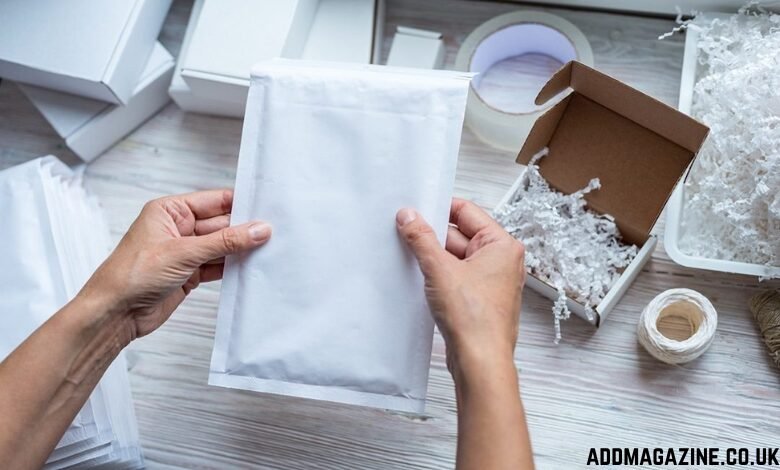
Bubble mailers combine the efficiency benefits of poly construction with enhanced protection through integrated bubble cushioning. This design provides superior impact resistance compared to standard poly mailers while maintaining reasonable cost levels and storage efficiency. The bubble layer absorbs shocks and prevents crushing damage during transit.
The enhanced protection level makes bubble mailers suitable for a broader range of clothing items, including delicate fabrics and structured garments that require cushioning. This versatility reduces the need for multiple packaging types in fulfillment operations, simplifying inventory management and staff training requirements.
Impact Resistance Performance
The bubble cushioning system effectively distributes impact forces across the protected surface, preventing concentrated pressure points that can damage clothing items. This protection proves particularly valuable for garments with buttons, zippers, or decorative elements that create rigid contact points. The cushioning maintains its effectiveness throughout typical shipping duration and handling conditions.
Structured clothing items such as blazers, coats, and formal wear benefit significantly from bubble mailer protection. These garments often carry higher retail values, making damage prevention economically justified despite increased packaging costs. The protection level reduces return rates and customer dissatisfaction associated with damaged merchandise.
Storage and Handling Implications
Bubble mailers require more storage space than poly mailers due to the integrated cushioning layer, affecting warehouse efficiency and inventory management. The increased thickness impacts storage density calculations and may require modified shelving arrangements. However, the space increase remains manageable compared to rigid packaging alternatives.
Handling procedures for bubble mailers mirror poly mailer processes, maintaining fulfillment efficiency while providing enhanced protection. Staff training requirements remain minimal, and the sealing process does not introduce significant time delays. This balance between protection and efficiency makes bubble mailers attractive for mixed product operations.
Paper Bag Environmental and Brand Considerations
Paper bags address growing environmental concerns while providing adequate protection for many clothing categories. The biodegradable material composition aligns with sustainability initiatives that increasingly influence customer purchasing decisions. However, paper bags typically carry higher unit costs and require additional protection measures for moisture-sensitive items.
Brand presentation benefits from paper packaging create value beyond basic protection functions. The natural appearance and customization potential support premium brand positioning and enhanced unboxing experiences. Research indicates that paper packaging generates positive environmental perceptions among consumers, potentially influencing brand loyalty and repeat purchases.
Environmental Impact Assessment
Paper bags offer clear advantages in recyclability and biodegradability compared to plastic alternatives. The manufacturing process utilizes renewable resources and generates lower long-term environmental impacts. These factors become increasingly important as regulations and consumer preferences shift toward sustainable packaging solutions.
However, paper production requires significant water and energy inputs, creating environmental considerations during manufacturing. The protection limitations of paper also increase the risk of product damage, potentially requiring replacement shipments that multiply environmental impact. Retailers must balance these competing factors when evaluating overall sustainability performance.
Brand Positioning Opportunities
Paper packaging supports premium brand positioning through natural aesthetics and customization possibilities. This visual impact creates marketing value that extends beyond basic packaging functionality.
Custom printing capabilities allow retailers to incorporate brand messaging, care instructions, and sustainability communications directly into packaging design. These features transform packaging from cost centers into marketing tools that reinforce brand values and customer relationships. Premium clothing brands often find this additional value justifies higher packaging costs.
Protection Requirements by Clothing Category
Different clothing categories require specific protection levels based on fabric characteristics, construction methods, and vulnerability to shipping damage. Understanding these requirements enables retailers to match packaging solutions with actual protection needs, avoiding both over-investment in unnecessary protection and under-investment that leads to damage costs.
Basic clothing items such as t-shirts and casual wear typically withstand shipping conditions with minimal protection requirements. Conversely, structured garments and delicate fabrics require enhanced protection to maintain retail condition and customer satisfaction.
High-Value Item Considerations
Expensive clothing items justify enhanced packaging investment due to high replacement costs and customer satisfaction implications. Damage to high-value items creates disproportionate financial impact compared to basic clothing categories.
The packaging choice for premium items also influences customer perception of brand quality and attention to detail. Inadequate protection that results in damaged luxury items can permanently damage customer relationships and brand reputation. These long-term costs often exceed short-term packaging savings.
Seasonal and Special Considerations
Seasonal clothing items face unique shipping challenges that affect packaging requirements. Winter coats and heavy garments require robust protection due to weight and bulk, while summer clothing may prioritize moisture resistance. Holiday and special occasion items often justify premium packaging for enhanced presentation and gift-giving appeal.
Weather conditions during shipping seasons also influence protection requirements. Wholesale packaging bags for clothes must account for increased moisture exposure during rainy seasons and temperature variations that affect material performance. These seasonal factors require flexible packaging strategies that adapt to changing conditions.
Volume and Scale Economic Factors
Packaging economics change dramatically with order volume and operational scale. High-volume retailers benefit from bulk purchasing discounts and simplified inventory management through standardized solutions. However, scale also amplifies the impact of packaging decisions across thousands or millions of shipments annually.
Small-scale operations may prioritize flexibility and multi-use capabilities over unit cost optimization. These retailers often benefit from packaging solutions that work across diverse product categories, reducing inventory complexity and storage requirements. The optimal balance between cost and flexibility shifts based on operational scale and growth trajectory.
Inventory Management Implications
Multiple packaging types create inventory management complexity that affects operational efficiency and carrying costs. Each additional packaging variant requires storage space, tracking systems, and staff training.
Retailers must balance packaging variety with operational simplicity based on their specific product mix and volume levels. High-volume operations may justify multiple packaging types through damage reduction and efficiency gains, while smaller retailers may prefer standardized solutions despite slightly higher per-unit costs.
Growth Planning Considerations
Packaging strategies must accommodate business growth and changing product portfolios. This evolution requires understanding how packaging needs change with scale and customer expectations.
Long-term contracts and supplier relationships become important factors as volume increases. Wholesale packaging bags for clothes procurement often involves minimum order quantities and lead times that require advance planning. Growing retailers must balance cost optimization with operational flexibility to support expansion goals.
Making Data-Driven Packaging Decisions
Effective packaging selection requires systematic evaluation of quantifiable factors rather than assumptions about customer preferences or cost impacts. Retailers should track damage rates, return processing costs, and customer feedback across different packaging types to identify optimal solutions for their specific operations.
Testing different packaging options with sample shipments provides concrete data about protection performance and operational efficiency. This testing approach reveals actual cost implications and customer responses that guide larger-scale implementation decisions. Data-driven selection reduces the risk of costly packaging mistakes that affect profitability and customer satisfaction.
Performance Measurement Systems
Comprehensive tracking systems capture the full range of packaging-related metrics that influence total cost of ownership. Damage rates, return processing time, customer satisfaction scores, and fulfillment efficiency measurements provide quantitative foundations for packaging decisions. These systems reveal patterns and trends that inform continuous improvement efforts.
Regular performance reviews identify opportunities for packaging optimization and cost reduction. Market conditions, supplier capabilities, and customer expectations evolve continuously, requiring periodic reassessment of packaging strategies. Systematic measurement enables proactive adjustments that maintain competitive advantages.
Implementation Strategy and Risk Management
Successful packaging implementation requires phased approaches that minimize operational disruption while capturing cost and performance benefits. Retailers should pilot new packaging solutions with limited product categories or customer segments before full-scale deployment. This approach identifies potential issues and allows refinement of procedures before broader implementation.
Risk management considerations include supplier reliability, material availability, and regulatory compliance factors. Wholesale packaging bags for clothes must meet various shipping and safety requirements that vary by region and carrier. Understanding these requirements prevents implementation delays and compliance issues that affect operations.
Supplier Partnership Development
Strong supplier relationships provide operational stability and continuous improvement opportunities for packaging programs. Reliable suppliers offer consistent quality, competitive pricing, and responsive service that supports business growth. Long-term partnerships often yield additional benefits including customization capabilities and priority support during supply disruptions.
Supplier evaluation should encompass quality systems, capacity capabilities, and financial stability in addition to pricing considerations. These factors affect supply reliability and service consistency over extended periods. Comprehensive supplier assessment reduces the risk of operational disruptions that can affect customer service and profitability.
Conclusion
The choice between poly mailers, bubble mailers, and paper bags significantly impacts clothing retail operations through direct costs, protection performance, and customer experience factors. Poly mailers offer the most economical solution for basic clothing items, while bubble mailers provide enhanced protection for delicate or structured garments. Paper bags address environmental concerns and brand positioning needs despite higher costs and protection limitations.
Successful packaging strategies align protection requirements with actual product needs while considering operational scale, customer expectations, and long-term business objectives. Data-driven decision making through systematic testing and performance measurement ensures optimal packaging selection that supports profitability and customer satisfaction.