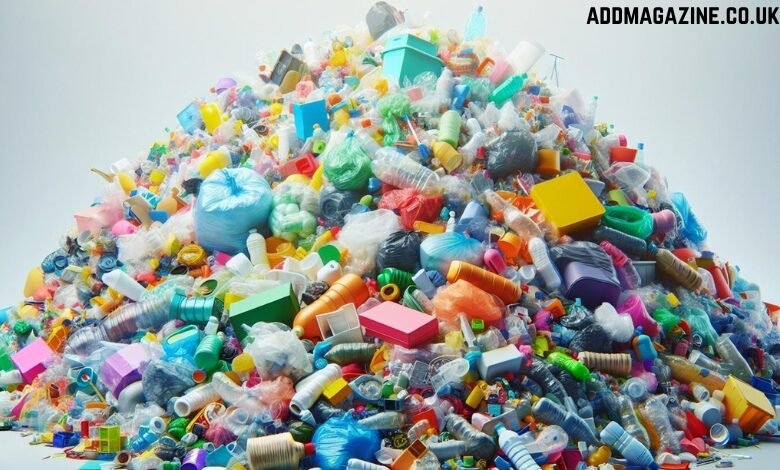
Manufacturing companies across the United States continue to face mounting pressure from raw material costs, with virgin plastic resins experiencing significant price volatility over the past three years. While some operations have maintained traditional sourcing approaches, others have begun examining alternative materials that offer comparable performance at reduced costs. The choice between virgin and reprocessed plastic materials now represents more than a simple procurement decision—it reflects a fundamental shift in how companies approach material sourcing, cost management, and operational sustainability.
Recent market analysis indicates that companies utilizing alternative plastic materials have collectively saved approximately $2.3 billion compared to those relying exclusively on virgin resins. This cost differential stems from multiple factors including raw material pricing, processing requirements, and supply chain considerations. Understanding these differences becomes essential for operations managers, procurement teams, and manufacturing decision-makers who must balance cost control with product quality and consistency requirements.
The decision between virgin and reprocessed materials extends beyond immediate cost considerations. Companies must evaluate performance characteristics, processing requirements, regulatory compliance, and long-term supply stability. Each material type presents distinct advantages and limitations that directly impact production efficiency, product quality, and operational risk management.
Material Composition and Processing Differences
Virgin plastic granules originate from newly produced polymer resins that have never undergone previous manufacturing processes. These materials maintain consistent molecular structure and predictable performance characteristics, making them suitable for applications requiring precise specifications. The manufacturing process involves converting raw petrochemical feedstocks into polymer chains through controlled chemical reactions, resulting in materials with uniform properties and minimal contamination risk.
In contrast, reprocessed plastic granules derive from post-industrial or post-consumer plastic waste that undergoes cleaning, sorting, and remelting processes. This material transformation involves breaking down existing plastic products, removing contaminants, and reforming the material into new granules suitable for manufacturing applications. The reprocessing methodology directly influences the final material properties, with advanced sorting and cleaning technologies producing higher-quality output materials.
The molecular structure of reprocessed materials typically shows some degree of chain degradation compared to virgin materials. This degradation occurs during the initial processing cycle and subsequent reprocessing steps, potentially affecting mechanical properties such as tensile strength, impact resistance, and thermal stability. However, modern reprocessing techniques have significantly minimized these property changes, making reprocessed materials suitable for many applications previously reserved for virgin materials.
Quality Control Considerations
Virgin materials offer predictable quality profiles with minimal batch-to-batch variation. Manufacturers can rely on consistent melt flow rates, color stability, and mechanical properties across production runs. This consistency simplifies process control and reduces the need for frequent testing and adjustment during manufacturing operations.
Reprocessed materials require more intensive quality monitoring due to potential variations in source materials and processing conditions. Companies utilizing these materials typically implement enhanced testing protocols to verify material properties before production. This additional quality control step adds operational complexity but ensures that reprocessed materials meet specific application requirements.
Processing Equipment Compatibility
Most standard plastic processing equipment can handle both virgin and reprocessed materials without significant modifications. However, reprocessed materials may require adjusted processing parameters such as temperature profiles, residence times, or cooling rates to achieve optimal results. These adjustments typically fall within normal operating ranges and do not necessitate equipment upgrades or replacements.
Economic Impact Analysis
The cost advantage of reprocessed materials stems primarily from reduced raw material expenses, with typical savings ranging from twenty to forty percent compared to virgin materials. This cost differential varies based on material type, quality grade, and market conditions, but consistently favors reprocessed options across most plastic categories.
Beyond material costs, companies must consider processing efficiency implications. Reprocessed materials may require slightly longer processing times or additional quality checks, potentially impacting overall production throughput. However, the material cost savings typically outweigh these minor processing considerations for most applications.
Supply chain economics also influence the total cost equation. Virgin materials often involve longer supply chains with multiple intermediaries, while reprocessed materials can sometimes be sourced more directly from regional processors. This proximity advantage can reduce transportation costs and lead times, providing additional economic benefits.
Long-term Cost Projections
Virgin plastic pricing correlates directly with petroleum market fluctuations, creating ongoing cost volatility for manufacturers. According to the U.S. Energy Information Administration, petroleum price variations directly impact polymer production costs, making virgin materials subject to external market forces beyond manufacturer control.
Reprocessed material pricing demonstrates greater stability over time, as it depends more on waste stream availability and processing capacity rather than petroleum markets. This pricing stability enables more predictable budgeting and cost planning for manufacturing operations.
Volume Considerations
Large-volume users typically achieve greater cost benefits from reprocessed materials due to economies of scale in sourcing and processing. Smaller operations may find limited cost advantages, particularly when factoring in additional quality control requirements and potential setup costs for new supplier relationships.
Performance Characteristics Comparison
Virgin materials consistently deliver maximum mechanical properties and performance characteristics. Applications requiring highest strength, clarity, or chemical resistance typically benefit from virgin material specifications. Critical applications in aerospace, medical devices, or food contact surfaces often mandate virgin materials to ensure regulatory compliance and performance reliability.
Reprocessed materials demonstrate adequate performance for many applications while offering acceptable property ranges for non-critical uses. Packaging applications, construction materials, and industrial components frequently perform satisfactorily with reprocessed materials. The key lies in matching material capabilities with application requirements rather than defaulting to maximum-performance options.
Color consistency presents another performance consideration. Virgin materials allow precise color matching and stability across production runs. Reprocessed materials may show slight color variations or require additional colorant to achieve desired appearance standards. This consideration becomes particularly important for consumer-visible applications or products requiring specific aesthetic requirements.
Durability and Longevity Factors
Products manufactured from virgin materials typically exhibit maximum service life and durability characteristics. The uncompromised molecular structure provides optimal resistance to environmental factors, chemical exposure, and mechanical stress over extended periods.
Reprocessed materials may show reduced service life in demanding applications, though this reduction often remains within acceptable limits for many uses. Understanding the specific degradation mechanisms and their impact on product performance helps determine appropriate applications for reprocessed materials.
Processing Consistency
Virgin materials process with high consistency, reducing setup time and waste generation during production changeovers. The predictable flow characteristics and thermal behavior simplify process optimization and maintain stable production conditions.
Reprocessed materials may require more frequent process adjustments to maintain optimal production conditions. While these adjustments are typically minor, they can impact overall equipment efficiency and operator workload during production runs.
Supply Chain and Availability Factors
Virgin material supply chains operate through established networks of resin producers, distributors, and specialty compounders. These networks provide reliable availability and consistent delivery schedules, though they remain vulnerable to upstream disruptions in petrochemical production or transportation systems.
Reprocessed material supply depends on waste stream availability and regional processing capacity. This supply model can offer greater local availability while reducing dependence on global petrochemical markets. However, it may also present limitations in specific material grades or consistent volume availability.
Geographic considerations influence supply chain decisions significantly. Companies located near major population centers or industrial areas often enjoy better access to reprocessed materials due to higher waste generation and processing infrastructure. Rural operations may find virgin materials more readily available through traditional distribution networks.
Inventory Management Implications
Virgin materials typically allow longer storage periods without property degradation, simplifying inventory management and reducing turnover requirements. The stable nature of these materials permits bulk purchasing and extended storage when market conditions favor advance buying.
Reprocessed materials may require more active inventory management to ensure optimal quality retention. While storage stability remains acceptable for most applications, shorter inventory cycles help maintain consistent material properties and processing characteristics.
Regulatory and Compliance Considerations
Virgin materials generally meet all regulatory requirements without additional testing or certification processes. The controlled production environment and consistent composition simplify compliance documentation and regulatory approvals for sensitive applications.
Reprocessed materials may require additional documentation and testing to demonstrate compliance with specific regulations, particularly in food contact, medical, or consumer product applications. This additional compliance work can increase administrative costs and extend product development timelines.
Industry certifications and standards often specify material requirements that influence the choice between virgin and reprocessed options. Understanding these requirements early in the design process helps avoid costly specification changes or compliance issues during production.
Environmental Compliance Benefits
Using reprocessed materials supports corporate sustainability goals and may contribute to environmental compliance reporting requirements. Many companies find that incorporating recycled content helps meet sustainability targets while providing documentation for environmental impact assessments.
Regulatory trends increasingly favor materials with recycled content, particularly in packaging applications and consumer products. Companies adopting reprocessed materials may benefit from favorable regulatory treatment and potential incentives for sustainable material usage.
Conclusion
The choice between virgin and reprocessed plastic granules requires careful evaluation of multiple factors including cost considerations, performance requirements, and operational constraints. While virgin materials offer maximum performance and consistency, reprocessed alternatives provide significant cost advantages for many applications without compromising acceptable quality standards.
The $2.3 billion cost differential represents more than theoretical savings—it reflects real operational advantages achieved by companies that have successfully integrated reprocessed materials into their manufacturing processes. However, this integration requires thorough evaluation of specific application requirements, quality control capabilities, and supply chain considerations.
Moving forward, successful material selection strategies will likely involve portfolio approaches that utilize both virgin and reprocessed materials based on specific application needs. This balanced approach allows companies to optimize costs while maintaining performance standards and regulatory compliance across their product ranges. The key lies in understanding the true requirements for each application and selecting materials that meet those needs efficiently and economically.